°C
 3
Min
US President Donald Trump has announced plans to establish an "AI Force" and appoint a new "AI czar" to oversee the development of the country's artificial intelligence industry. Trump made the announcement in a lengthy social media post on Saturday, describing artificial intelligence as the "next Industrial Revolution" and saying the technology would play a major role in US economic growth.
Trump announces proposed 'AI Force' and new AI czar
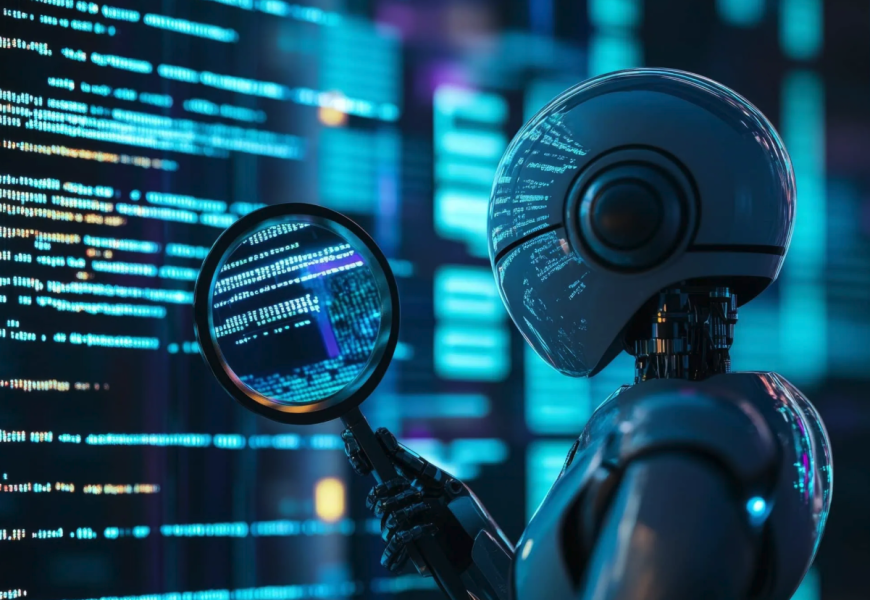
US President Donald Trump has announced plans to establish an "AI Force" and appoint a new "AI czar" to oversee the development of the country's artificial intelligence industry.
Trump made the announcement in a lengthy social media post on Saturday, describing artificial intelligence as the "next Industrial Revolution" and saying the technology would play a major role in US economic growth.
He said the proposed AI Force would be intended to protect and advance the industry while avoiding measures that could restrict its expansion.
"We will not in any way hinder or stifle the Growth of this incredible Industry," Trump said, adding that the administration would support and monitor the sector as it develops.
Trump compared the proposed organisation with the US Space Force, which was established during his first term as president and became the newest branch of the US military.
No details were immediately provided about the structure, membership or powers of the proposed AI Force, and Trump did not give a timeframe for appointing the new AI adviser.
The president previously had an AI czar in the form of venture capitalist David Sacks. Sacks stepped down from the role earlier this year and subsequently became an external adviser to the administration. He now chairs Trump's Council of Advisors on Science and Technology.
The announcement comes amid growing debate in the United States about the pace and potential consequences of artificial intelligence development.
Earlier this week, executives from major AI companies called for greater caution over the rapid expansion of the technology, amid warnings that advances could outpace efforts to ensure AI systems are developed safely.
A safety researcher at Anthropic recently warned that there was a greater than 10 per cent chance that advanced AI could pose an existential threat to humanity within the next decade. Trump dismissed the warning as a "hoax".
During a phone conversation with Nvidia chief executive Jensen Huang earlier in the week, Trump also rejected concerns that artificial intelligence and robotics would eventually take control of society.
"The robots will not be taking over," Trump said. "The AI will not be taking over the rest of the world."
Sacks has similarly questioned some of the concerns surrounding AI regulation, describing public fears about the technology as potentially becoming a "panic".
At the same time, the rapid expansion of AI data centres has generated opposition in communities across the US. Residents and local officials have raised concerns about electricity consumption, water and other natural resources, as well as the potential impact on energy costs.
The issue has attracted attention from lawmakers in both major US political parties ahead of the November midterm elections.
Trump has defended the construction of AI data centres, describing them as prestigious developments that can bring economic benefits to communities. He has also previously warned that areas opposing such facilities could risk falling behind economically.
The president's latest announcement reflects his broader emphasis on expanding the AI industry while limiting regulatory restrictions. He has repeatedly presented artificial intelligence as an important area of competition between the United States and China.
AI is also expected to feature prominently in discussions surrounding Trump's upcoming summit in Washington, DC, with Chinese President Xi Jinping.
More Top Stories