°C
 3
Min
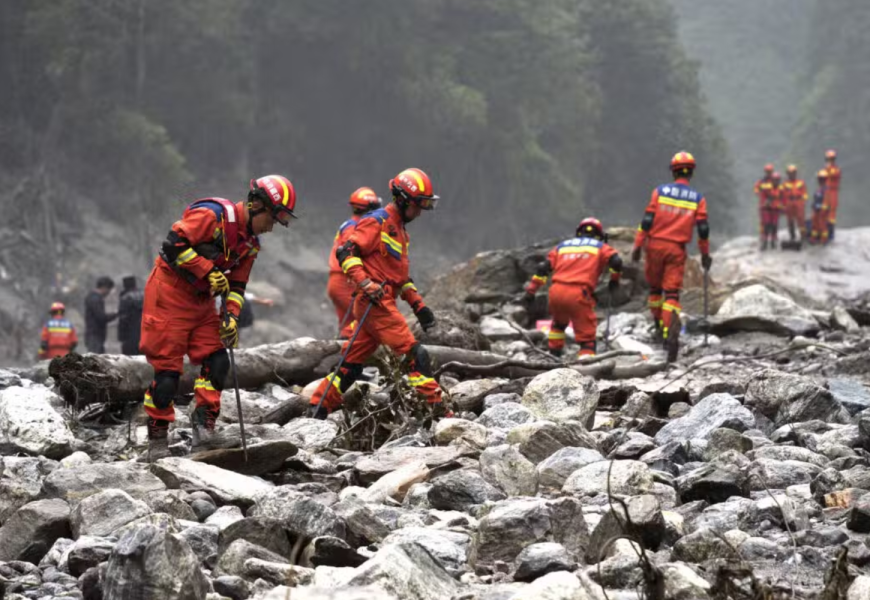
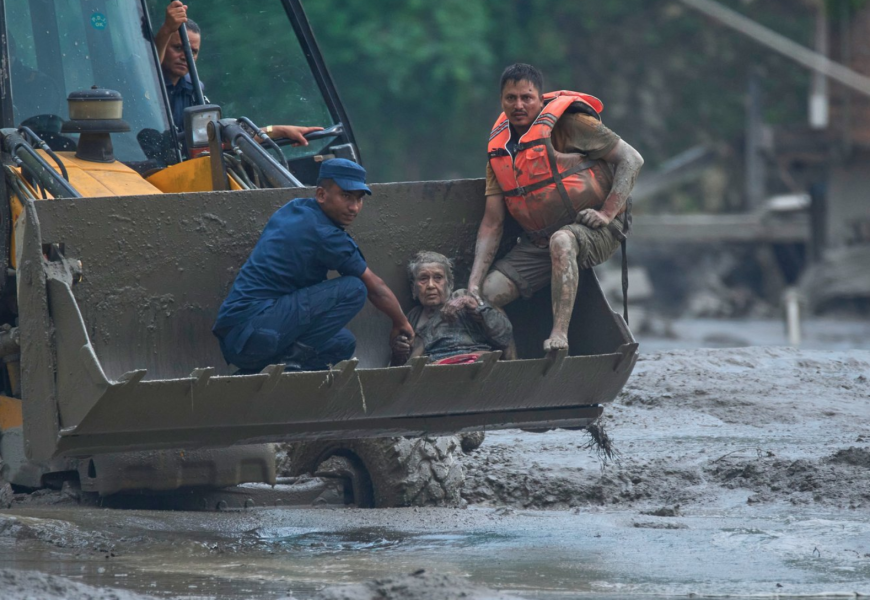
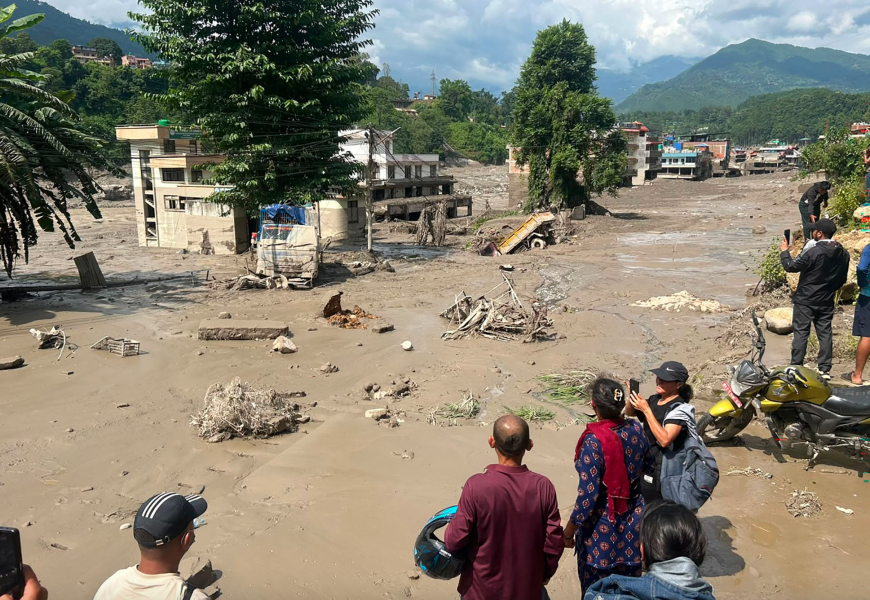
Rescue teams have resumed operations across the flood-ravaged Nepal-China border region after a temporary suspension caused by fears that a newly formed glacial lake could unleash another catastrophic flood. The death toll has climbed above 600, while the number of people reported missing has approached 3,000.
Nepal, China Resume Flood Rescue as Death Toll Passes 600
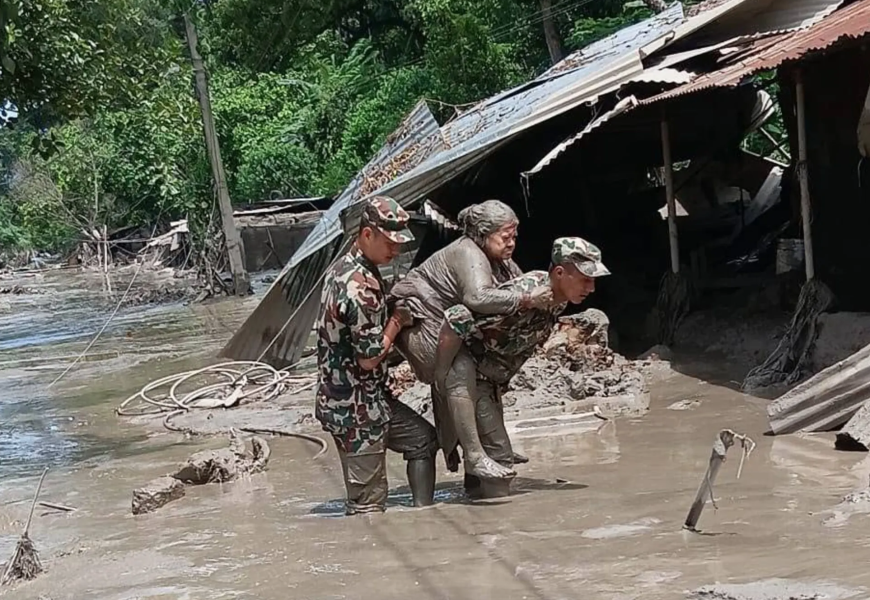
Rescue teams have resumed operations across the flood-ravaged Nepal-China border region after a temporary suspension caused by fears that a newly formed glacial lake could unleash another catastrophic flood.
The death toll has climbed above 600, while the number of people reported missing has approached 3,000, according to authorities on both sides of the border.
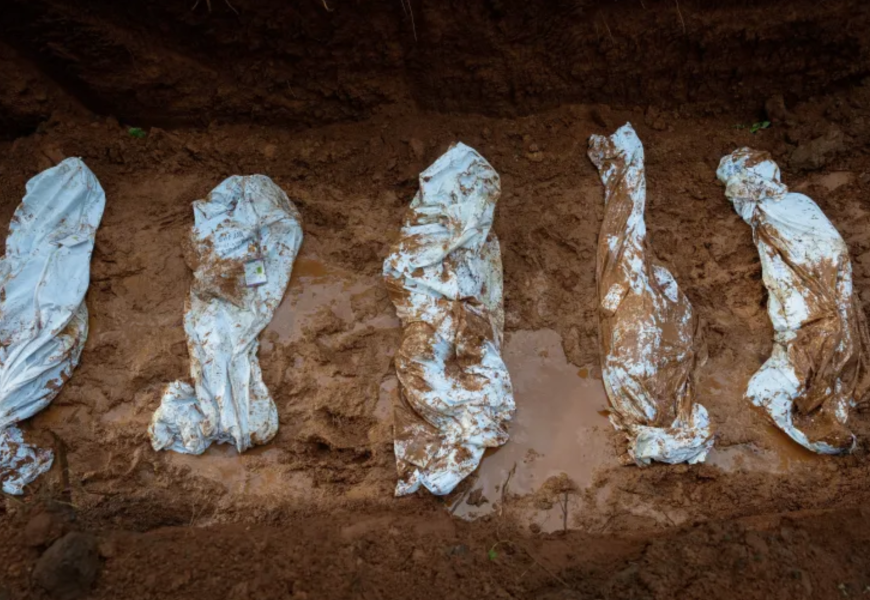
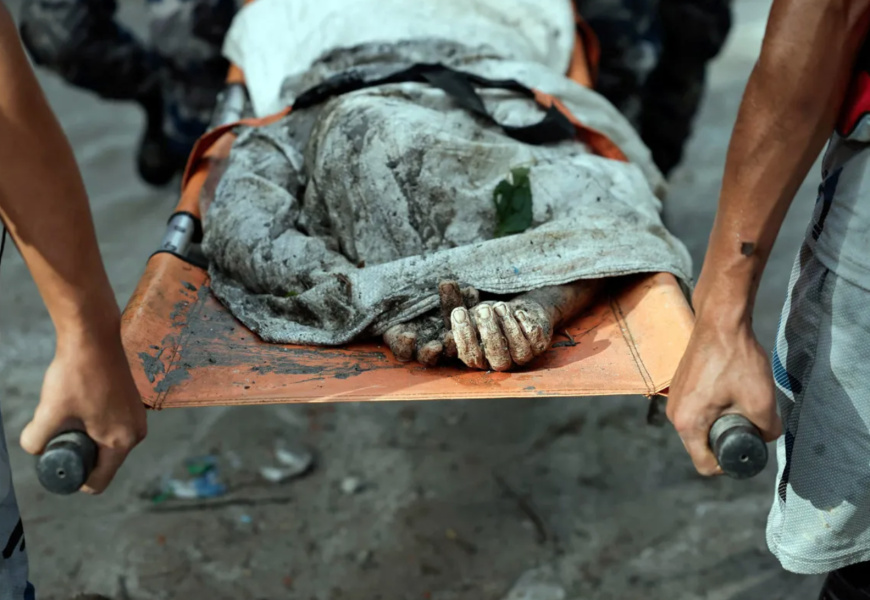
Nepal's National Disaster Management Authority said on Saturday that 673 bodies had been recovered. Of those reported missing on the Nepalese side, 2,496 people remain unaccounted for, including 517 foreign nationals. The missing foreigners are believed to include both tourists and overseas workers.
Authorities in China's Tibet Autonomous Region said at least seven people had died, with another 554 still missing.
With large parts of the disaster zone difficult to reach, Nepal has requested specialist assistance from India and China to strengthen its search-and-rescue operations. Teams with expertise in areas including tunnel rescue are expected to join the effort.
Officials initially resisted large-scale international assistance because of concerns that an influx of rescue teams could create additional logistical problems in areas already overwhelmed by the disaster. The government has since determined that the urgent need to save lives outweighs those concerns.
The disaster began on Wednesday when a section of glacier collapsed at an altitude of about 5,200 metres in the Himalayas. The mass plunged roughly 1,200 metres, carrying rocks and debris down the mountainside before crashing into the Lende River.
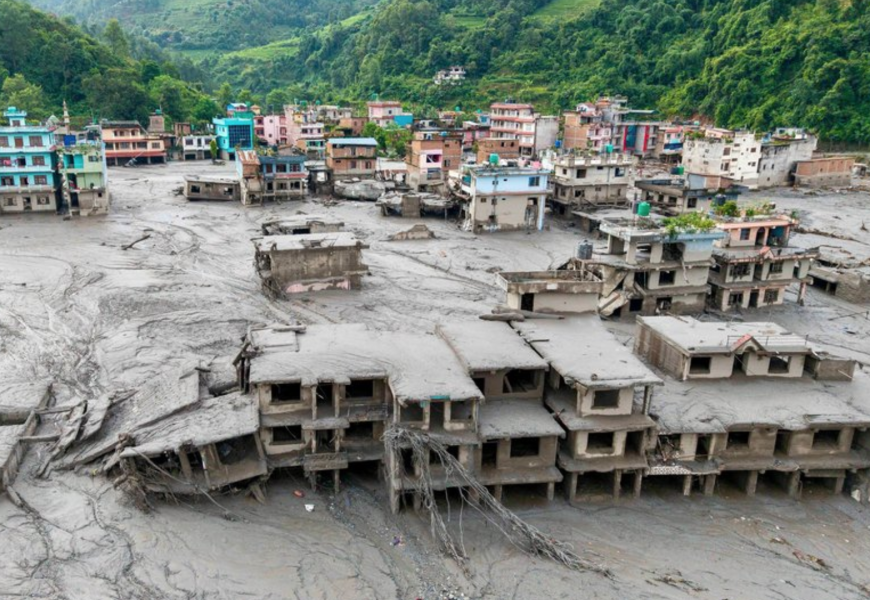
The resulting wall of water and debris swept south into Nepal's Rasuwa, Nuwakot and Dhading districts. The surge caused the Trishuli River to rise by about nine metres in just 30 minutes, devastating communities and infrastructure along its path.
The US Geological Survey has also revised its initial assessment of the disaster. It had originally identified an earthquake as the likely trigger, but later concluded that the seismic signal was generated by the landslide itself.
A new lake has formed at the site of the glacier collapse, raising concerns that a further glacial lake outburst flood could occur. Search operations were temporarily halted while authorities assessed the danger, but teams have now returned after determining that the immediate risk was manageable.
However, glacial-hazards scientist Alton Byers of the University of Colorado Boulder warned that the natural barrier containing the lake remains extremely unstable.
The barrier consists largely of loose debris deposited during the collapse, meaning there is little structural material preventing the lake from draining suddenly. Byers said the safest scenario would be for the water to escape naturally and gradually.
Chinese authorities could also attempt to reduce the lake's water level manually using hand tools and other techniques, an approach that has been employed in other regions vulnerable to glacial lake outburst floods.
China has mobilised significant resources in response to the disaster. Premier Li Qiang visited the affected area in Gyirong on Thursday, while President Xi Jinping ordered officials to develop scientifically based search-and-rescue plans and strengthen monitoring of glacial lakes.
International assistance has also begun arriving, with support from India, the United Nations, the International Federation of Red Cross and Red Crescent Societies, Australia, South Korea and the United States.
Authorities have warned that the death toll could rise substantially as rescue crews reach communities that remain isolated by landslides, destroyed roads and other flood damage.
More Top Stories