°C
 4
Min
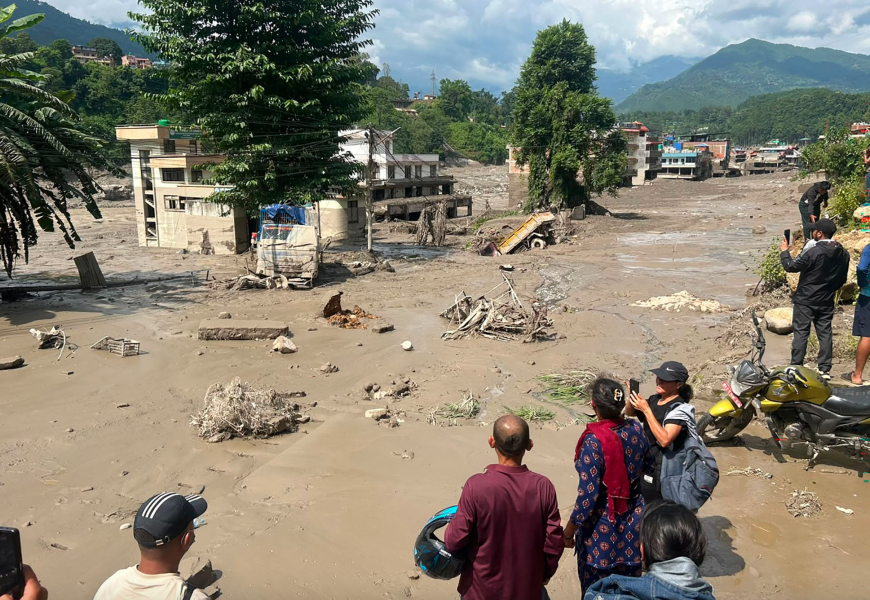
The death toll from devastating flash floods along the Nepal-Tibet border has climbed above 470, while hundreds of people remain missing as rescue teams race against time to reach isolated communities. Nepal's prime minister's office said on Friday that 469 people had been confirmed dead and another 977 were still unaccounted for.
Death Toll From Nepal-Tibet Flood Disaster Surpasses 470
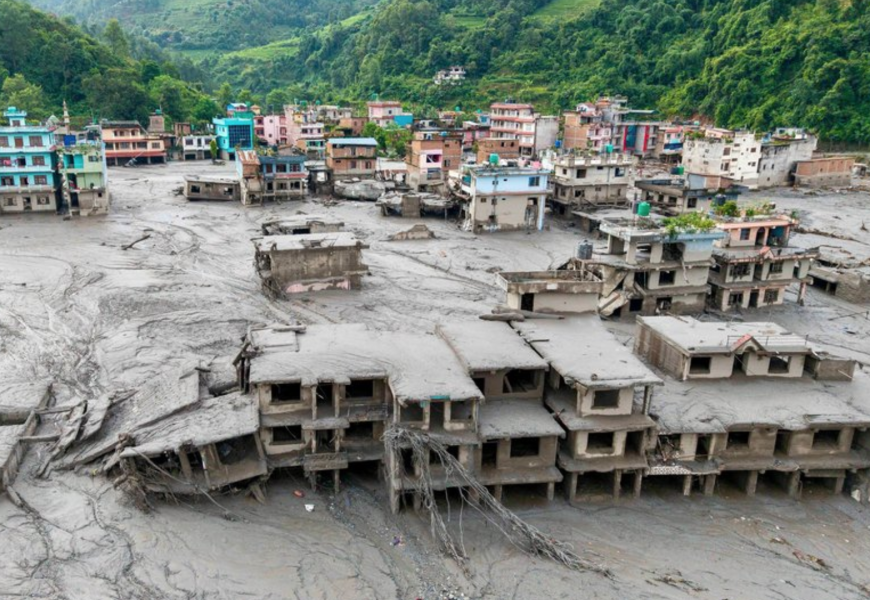
The death toll from devastating flash floods along the Nepal-Tibet border has climbed above 470, while hundreds of people remain missing as rescue teams race against time to reach isolated communities.
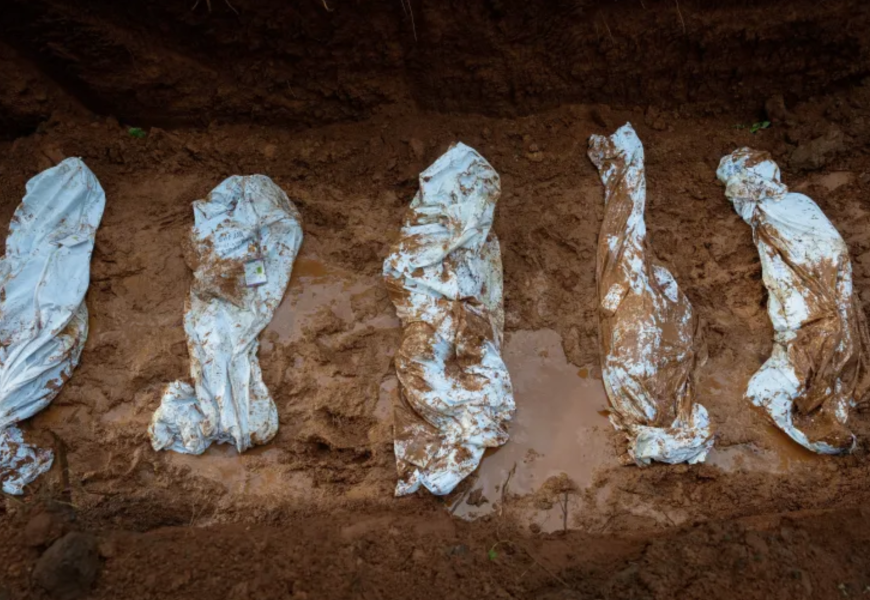
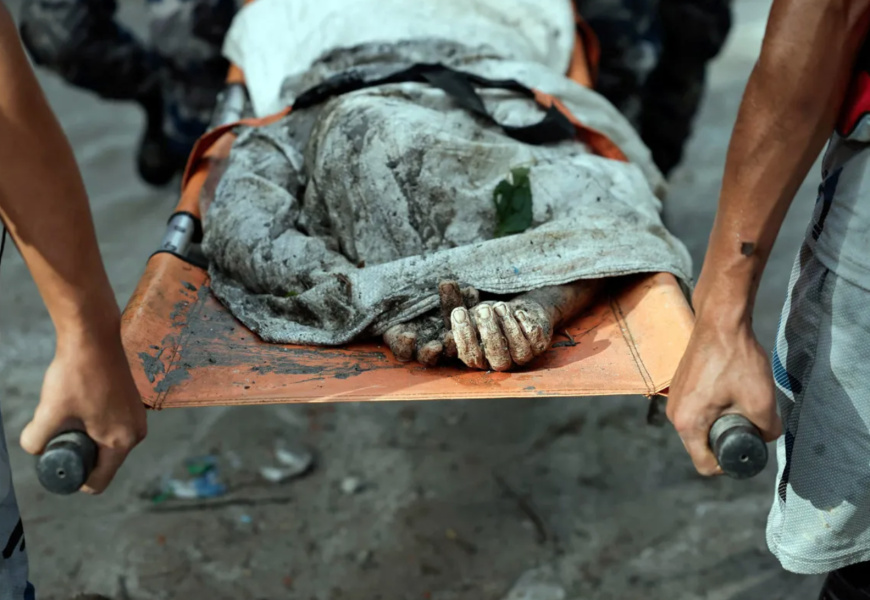
Nepal's prime minister's office said on Friday that 469 people had been confirmed dead and another 977 were still unaccounted for. Chinese authorities reported three deaths in Tibet, with a further 558 people missing.
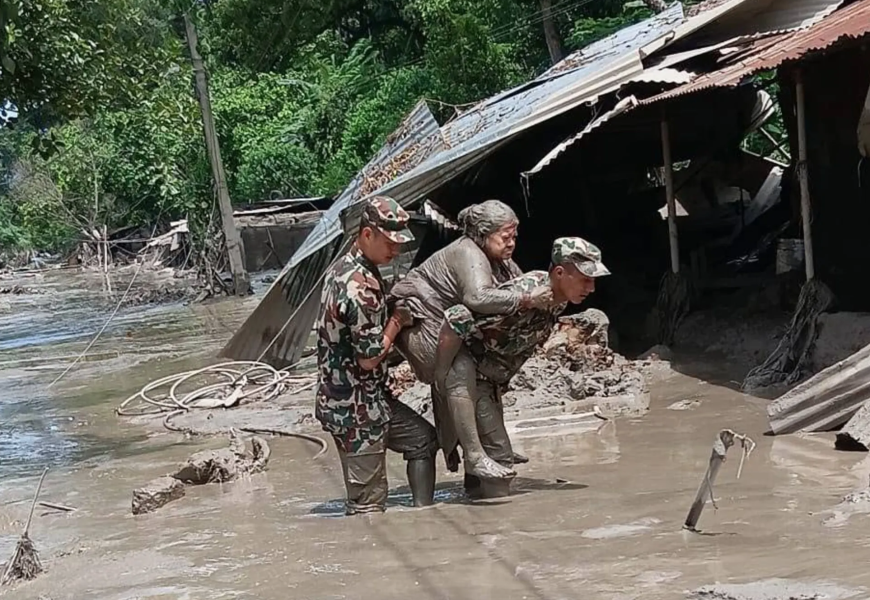
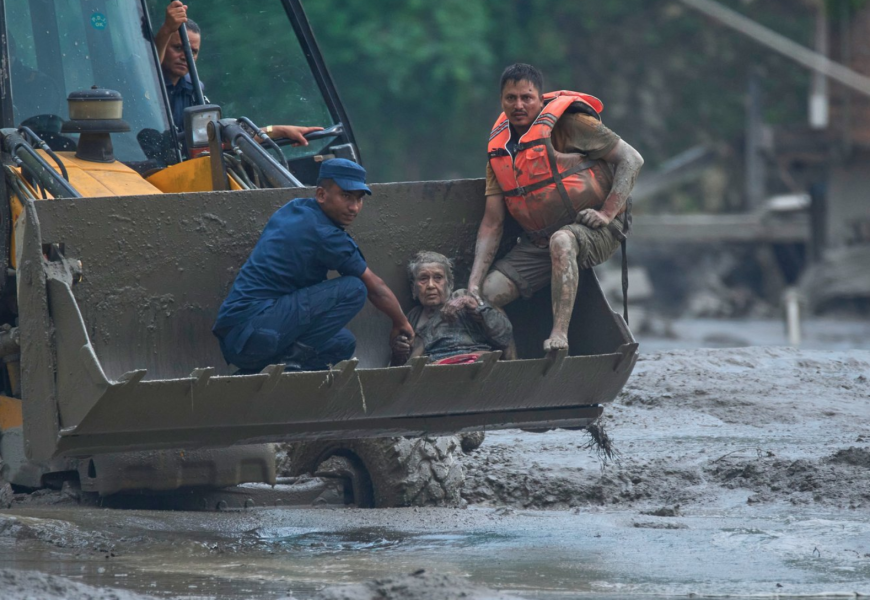
Nepalese officials said 644 of those reported missing were foreign nationals. Around 1,550 people have so far been rescued, either by helicopter or by land.
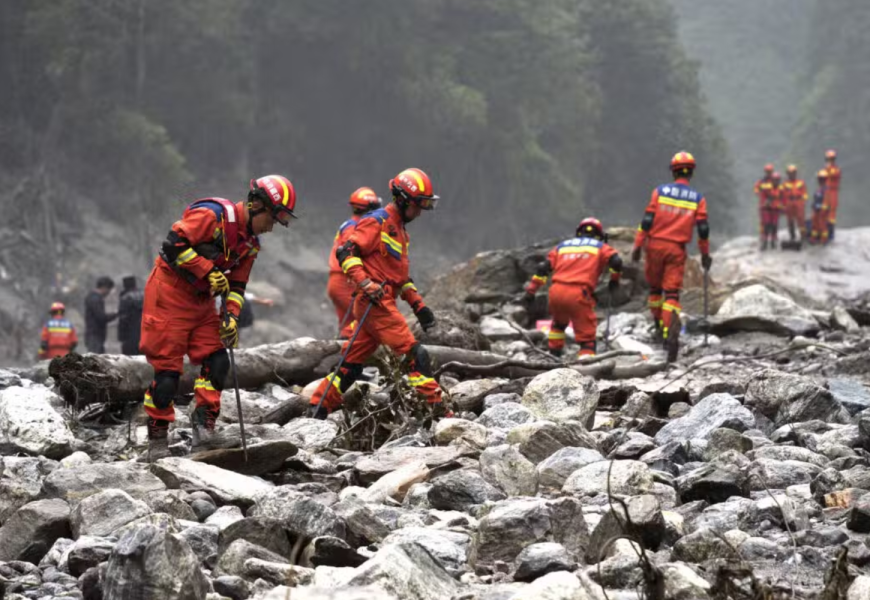
The catastrophe began on Wednesday after a glacier collapse triggered a massive torrent of water, ice, rocks and mud through Himalayan valleys. Entire villages were inundated, while roads, bridges and hydropower infrastructure were swept away or buried.
Bishal Nath Upreti, president of the Nepal Centre for Disaster Management, described conditions in the worst-hit areas as extremely difficult, with the destruction of key roads leaving rescuers unable to reach many survivors.
Around 42 kilometres of road has been completely destroyed, Upreti said, meaning helicopters are currently the only practical way of reaching some isolated areas.
He said about 800 people had been evacuated by air and another 700 reached safety by land. Supplies including food and other emergency aid are being flown into affected communities.
Upreti warned that people still trapped in the disaster zone were becoming increasingly desperate after more than three days without adequate shelter or food.
"They are very desperate now," he said, noting that more than 72 hours had passed since the disaster struck.
Authorities expect the number of missing people to rise as rescue teams gain access to previously isolated areas.
China has mobilised about 500 military and paramilitary personnel for the emergency response, while Premier Li Qiang has travelled to oversee relief operations. The high-level involvement highlights the seriousness of the disaster and the urgency facing rescue teams.
Growing threat from barrier lake
Rescuers are also confronting the possibility of another major flood.
A newly formed barrier lake along the Nepal-China border has become a major concern after officials warned that the natural dam holding back the water could collapse.
Barrier lakes are created when landslides, floods or other debris block a river, causing water to accumulate behind the obstruction. If the natural dam gives way, a sudden surge could sweep through already devastated areas.
Chinese authorities estimated that the lake was holding about two million cubic metres of water and could receive another three million cubic metres during the following three days.
The threat has forced some rescue operations to be suspended.
Teams attempting to reach the border town of Gyirong, where buildings have been buried beneath up to 1.5 metres of mud, were ordered to stop temporarily because of the risk of further landslides.
The suspension has added pressure to an already desperate search for survivors. Rescue crews are racing to locate people trapped beneath debris and recover bodies while conditions remain dangerous.
Nepal declines immediate foreign rescue assistance
Nepal has deployed about 30,000 security personnel to search remote valleys and assist communities cut off by the floods.
Despite offers of international assistance, Nepal's government said on Friday that it did not currently require outside search-and-rescue teams.
Foreign ministry spokesperson Lok Bahadur Chhetri said Nepal's security forces were capable of handling the initial rescue operation and that the decision had been made on the advice of the country's military and police authorities.
However, Nepal is expected to seek other forms of international assistance, including financial support, as the scale of the disaster becomes clearer.
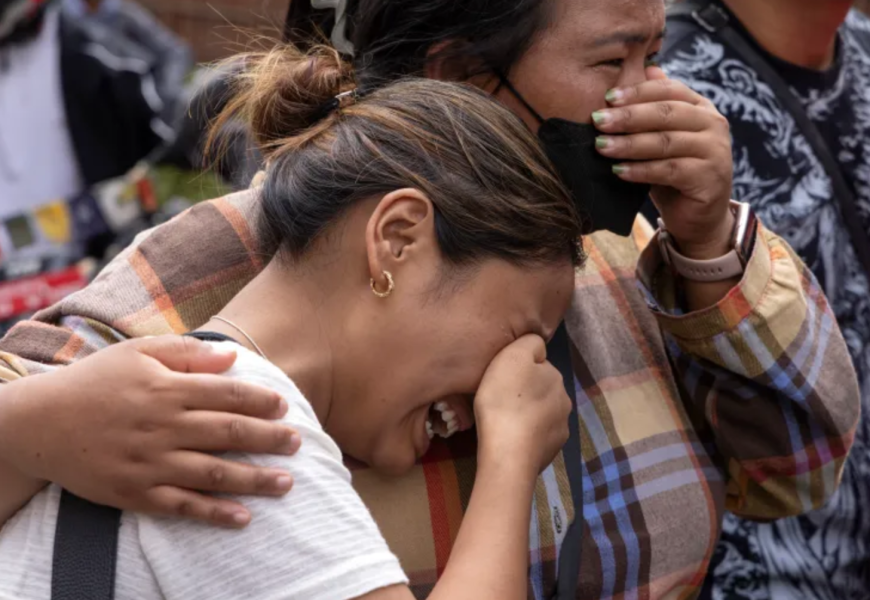
The devastation has also left families anxiously waiting for news of relatives who remain missing.
Outside Tribhuvan University Teaching Hospital in Kathmandu, crowds gathered on Friday seeking information about loved ones whose whereabouts were still unknown.
With hundreds still missing, roads destroyed and another potential flood threatening the region, authorities face a race against time to reach survivors before worsening conditions make the rescue effort even more difficult.
More Top Stories