°C
 3
Min
Ukraine’s use of a weapon identified as the "Pelican" in a major strike against Russia has prompted questions among military analysts about the system’s design and capabilities. Ukrainian President Volodymyr Zelenskyy said the weapon was used for the first time during Sunday’s large-scale attacks, which targeted facilities in Russia’s Moscow region.
Ukraine’s Pelican Raises Questions Over New Long-Range Weapon
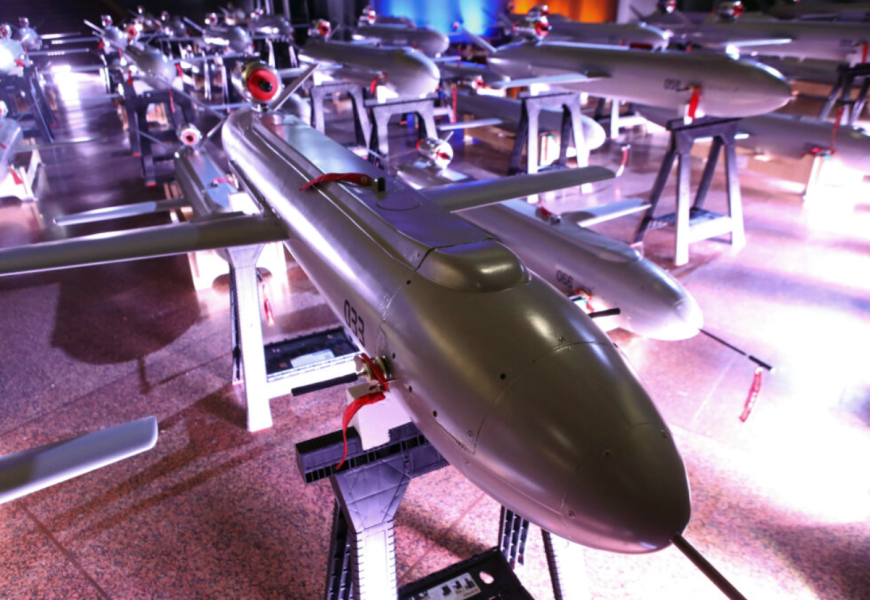
Ukraine's use of a weapon identified as the "Pelican" in a major strike against Russia has prompted questions among military analysts about the system's design and capabilities.
Ukrainian President Volodymyr Zelenskyy said the weapon was used for the first time during Sunday's large-scale attacks, which targeted facilities in Russia's Moscow region.
In a statement, Zelenskyy said the strikes had a "very significant impact" and hit a major facility connected to Russia's oil industry as well as a logistics site.
He listed a number of Ukrainian weapons and systems involved in the operation, including FP-1, RZ-100, MICH-2000, Palianytsia, Vendetta, Liutyi, Bars, Flamingo, Sichen and Pelican.
Russian authorities said more than 1,600 drones were intercepted during the attacks, including hundreds heading towards Moscow. At least three people were reported killed.
The inclusion of the Pelican in Zelenskyy's list has generated particular interest because there is no clear public confirmation of exactly what the weapon is.
Missile or drone?
One possibility is that the Pelican is connected to Ukraine's developing FP-7 tactical ballistic missile programme.
At an international defence exhibition in Poland last week, the chief executive of Ukrainian defence company Fire Point said Ukraine could begin deploying the FP-7 within weeks.
The company has said the ground-launched weapon is designed to strike targets at distances of up to 200 kilometres and can carry a warhead weighing as much as 150 kilograms.
The FP-7 is reportedly capable of reaching a maximum projectile speed of approximately 1,500 metres per second.
Fire Point's founder and chief designer, Denys Shtilerman, previously described the system as being considerably less expensive than US-made ATACMS surface-to-surface ballistic missiles.
Zelenskyy said last month that Ukraine expected to begin using its first domestically produced ballistic missile during the autumn.
However, Ukrainian authorities have not officially confirmed that the FP-7 and Pelican are the same weapon.
Some Ukrainian media reports have linked the two systems, while other reports have described the Pelican differently.
A report published on Sunday said Fire Point had earlier this year applied to register the Pelican name as a trademark. Fire Point is also responsible for the FP-5 Flamingo cruise missile.
Another Ukrainian report, citing unnamed sources, described the Pelican as an aircraft-type drone rather than a ballistic missile.
The conflicting descriptions mean the precise identity and capabilities of the Pelican remain unclear.
Ukraine has increasingly expanded its domestic production of long-range strike systems as it seeks to target Russian military, energy and logistics infrastructure. The use of previously undisclosed or newly identified weapons has also made it difficult for outside observers to determine the capabilities of some systems until further information becomes available.
For now, the Pelican's exact specifications, range, payload and method of propulsion have not been publicly established, leaving open the question of whether it represents a new Ukrainian drone system, a missile programme, or a separate weapon altogether.
More Top Stories