°C
 5
Min
The head of the Smithsonian Institution, Lonnie Bunch, has announced that he will step down from his position by the end of the year, following growing pressure from the administration of US President Donald Trump.
Smithsonian chief Lonnie Bunch to step down amid Trump administration pressure
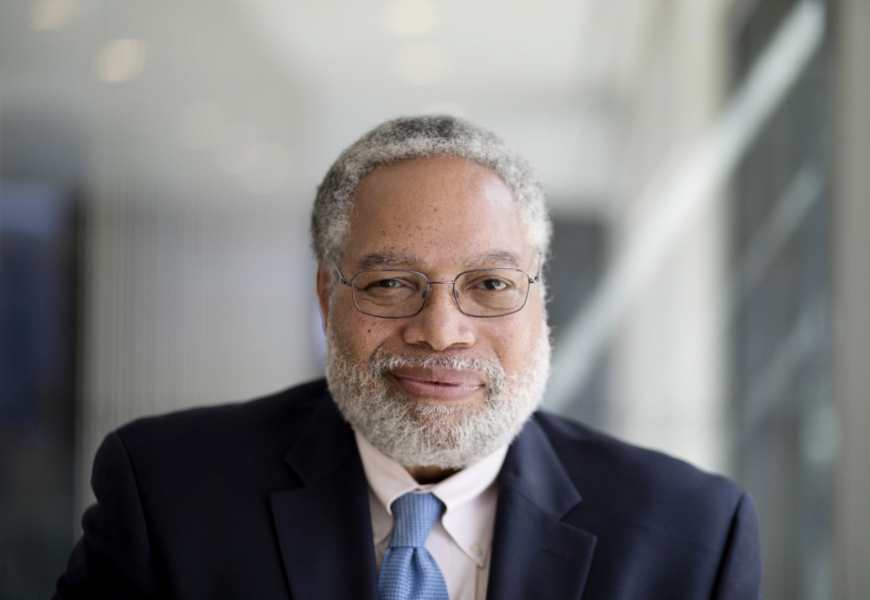
The head of the Smithsonian Institution, Lonnie Bunch, has announced that he will step down from his position by the end of the year, following growing pressure from the administration of US President Donald Trump.
Bunch announced his departure in a statement on Tuesday, saying he was leaving with mixed emotions but remained confident in the future of the institution, which oversees one of the world's largest networks of museums, research centres and educational facilities.
"I leave with pride and sadness, gratitude and joy, and with enormous confidence in the people who will carry this remarkable institution forward," Bunch said.
He added that his departure would allow him to begin a new chapter while continuing to defend the Smithsonian's independence and the importance of presenting a complete account of US history.
"It is time for my next chapter, a chapter that will allow me to continue to protect the integrity of the Smithsonian and to champion the importance of a history that illuminates and celebrates the complex story of our nation," he said.
The Smithsonian operates some of the United States' best-known museums, many of which are located along Washington, DC's National Mall.
However, the institution has faced mounting criticism from conservative politicians and activists since Trump returned to the White House for a second term. Critics have objected to museum exhibitions and educational material addressing subjects including slavery, racism, colonialism and inequality.
Although the Smithsonian is not directly controlled by the president, much of its funding comes from the federal government. The Trump administration has threatened to cut that financial support, accusing the institution of promoting what it describes as an "anti-American ideology".
In July, Trump ordered the US Department of the Interior to install warning signs near the entrance to the National Museum of American History, claiming that visitors should be alerted to alleged bias in the museum's presentations.
The following month, the Interior Department sent the Smithsonian a letter outlining its concerns and calling for changes, including at the highest levels of leadership.
The department argued that because its criticisms focused on the Smithsonian's leadership and what it described as institutional ideology, those areas needed to be addressed directly.
Battle over US history
The Smithsonian's museums are free to visit and attract millions of people each year. Its institutions include the National Air and Space Museum, National Museum of American History, National Museum of the American Indian, National Museum of Natural History and National Portrait Gallery.
Bunch became secretary of the Smithsonian in 2019, making history as the first African American to lead the 180-year-old institution.
Before becoming secretary, he served as founding director of the National Museum of African American History and Culture. The museum opened in 2016 following decades of planning and campaigning for a national institution dedicated to African American history.
His tenure at the Smithsonian has coincided with an increasingly intense political battle over how American history should be presented in publicly funded cultural institutions.
The Trump administration has targeted organisations it accuses of promoting left-wing or "woke" ideology, particularly programmes associated with diversity, equity and inclusion, commonly known as DEI.
The Smithsonian became an early focus of that campaign.
Within months of returning to office in 2025, Trump issued an executive order titled "Restoring Truth and Sanity to American History". The order called for changes to Smithsonian institutions and sought to ensure that the organisation presented what the administration described as a more positive vision of American history and achievement.
The White House accused some Smithsonian museums, including the American Art Museum and National Museum of African American History and Culture, of presenting narratives that portrayed American values as oppressive or harmful.
The administration also became embroiled in a dispute involving Kim Sajet, then director of the National Portrait Gallery. Trump said in May 2025 that he had fired Sajet, accusing her of being partisan and strongly supportive of DEI.
Critics disputed whether the president had the authority to remove her. Sajet subsequently resigned under pressure the following month.
Further controversy emerged after references to Trump's two first-term impeachments were removed from Smithsonian displays. The institution later restored the material following widespread criticism.
In August 2025, the White House informed Bunch's office that it would review Smithsonian exhibitions, programming and social media content. The administration said the review was intended to ensure that the institution's presentations celebrated what it called "American exceptionalism".
Bunch has since faced the difficult task of maintaining the Smithsonian's federal funding while attempting to preserve its independence and protect its role as a centre for historical research and public education.
Following news of his departure, prominent historians and artists expressed support for Bunch.
Filmmaker and historian Ken Burns described him as "a great historian, public servant and a dear friend", praising his efforts to help Americans understand the country's history in all its complexity.
"Our country is better for his work, and I am deeply grateful for it," Burns said.
More Top Stories