

 °C
 4
Min
Jimmy Kimmel has moved an interview with Texas Democratic Senate candidate James Talarico from his ABC late-night program to YouTube, saying growing scrutiny from the Federal Communications Commission (FCC) over political broadcasting has made the situation increasingly difficult for television networks.
Jimmy Kimmel moves Senate candidate interview to YouTube amid FCC scrutiny
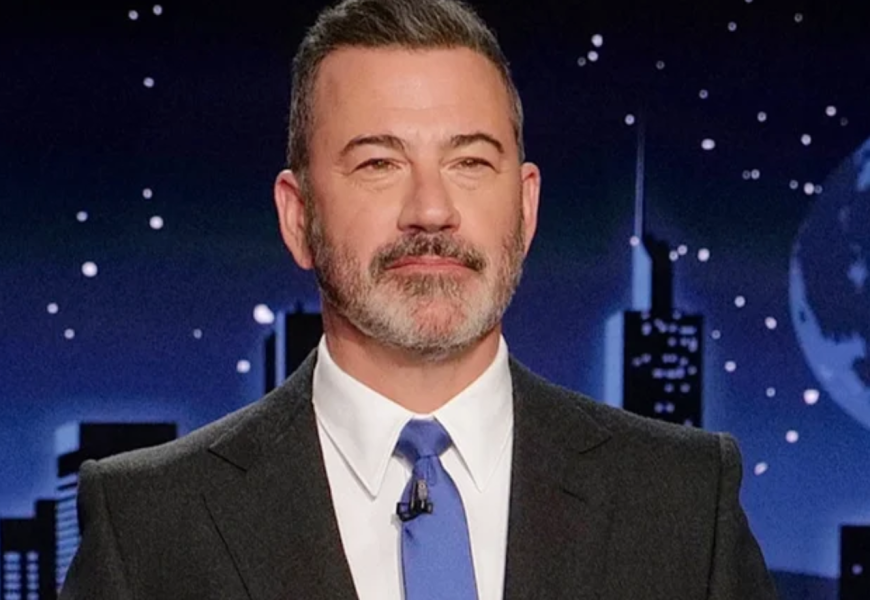
Jimmy Kimmel has moved an interview with Texas Democratic Senate candidate James Talarico from his ABC late-night program to YouTube, saying growing scrutiny from the Federal Communications Commission (FCC) over political broadcasting has made the situation increasingly difficult for television networks.
Kimmel said the interview with Talarico would not be broadcast on ABC but would instead be released online on Thursday.
The decision comes as the FCC, under Republican leadership, has taken a closer look at how television programmes feature political candidates and whether such appearances comply with federal equal-time requirements.
Talarico is challenging Republican Texas Attorney General Ken Paxton in a Senate race that Democrats hope could help them regain control of the chamber at November's midterm elections.
During Wednesday's programme, Kimmel said the interview was taking place under unusual circumstances. He pointed to his more than 20 years on television, during which he said political candidates had routinely appeared on his programme without creating regulatory difficulties.
The FCC announced in January that daytime and late-night talk shows would no longer automatically be treated as bona fide news programmes exempt from equal-time requirements. The rules generally require broadcasters to provide comparable opportunities to opposing candidates when a legally qualifying candidate is given airtime.
Kimmel said the change had created uncertainty for broadcasters and political interviews that had previously been regarded as ordinary editorial decisions.
He also pointed to his previous interview with Donald Trump during Trump's 2016 presidential campaign, arguing that similar political appearances had traditionally been permitted without regulatory intervention.
The latest dispute is part of a broader confrontation between the FCC and major US broadcasters over political programming.
Talarico has already faced regulatory scrutiny following an appearance on ABC's The View earlier this year. Another interview he recorded for The Late Show with Stephen Colbert was not broadcast on television and was subsequently released online.
The Texas Senate contest has become increasingly competitive. Both the Cook Political Report and the University of Virginia's Center for Politics have classified the race as a toss-up.
An August survey by the Barbara Jordan Public Policy Research and Survey Center at Texas Southern University put Talarico slightly ahead of Paxton among likely voters, with 47 per cent support compared with 45 per cent for his Republican opponent.
Republicans have responded by increasing their political spending in the state. MAGA Inc, a political organisation aligned with Trump, has committed $10 million to advertising targeting Talarico.
Texas has traditionally been one of the Republican Party's strongest states, but Democrats see the Senate race as a potential opportunity to break a decades-long losing streak.
No Democrat has been elected to the US Senate from Texas since 1988.
Talarico, 37, is a former public-school teacher and has developed a political profile based partly on a progressive interpretation of Christianity. He is an eighth-generation Texan and is being promoted by Democrats as a candidate capable of appealing to voters beyond the party's traditional base.
The dispute over Kimmel's interview comes as Republicans gather in Dallas for their midterm convention, where Trump has remained a dominant presence as the party seeks to energise supporters ahead of the November elections.
The growing involvement of the FCC in political programming has raised concerns among critics who argue that regulatory pressure could influence how broadcasters make editorial decisions.
Those concerns have been heightened by changes to television ownership rules. The FCC voted in August to remove the 39 per cent limit on local television ownership, a move critics warned could lead to greater consolidation within the US broadcasting industry.
The regulatory pressure has also affected ABC's corporate parent, Disney. The company and ABC have criticised the FCC's actions, arguing that increased intervention could threaten protected speech and undermine longstanding principles governing media independence.
In April, FCC Chairman Brendan Carr ordered early licence reviews for eight ABC-owned stations, despite their licences not being due for renewal until 2028.
Kimmel has previously been at the centre of a dispute with the FCC. In September last year, ABC temporarily suspended his programme following controversy surrounding comments he made about the killing of conservative activist Charlie Kirk.
Carr had criticised Kimmel's comments and encouraged local broadcasters to reconsider airing the programme. The show returned to television six days later.
The decision to move the Talarico interview to YouTube marks another example of political interviews shifting from traditional broadcast television to online platforms as US broadcasters face increasing regulatory and political pressure.
More Top Stories


