°C
 2
Min
The Republic of Ireland defeated Israel 3-0 in the first of two UEFA Nations League fixtures between the teams, with the match taking place amid an international controversy and calls for Ireland to boycott the game The match was played in Hungary on Sunday after months of pressure on the Football Association of Ireland (FAI) to withdraw from the fixture over Israel's military campaign in Gaza.
Ireland Beats Israel 3-0 Amid Nations League Controversy
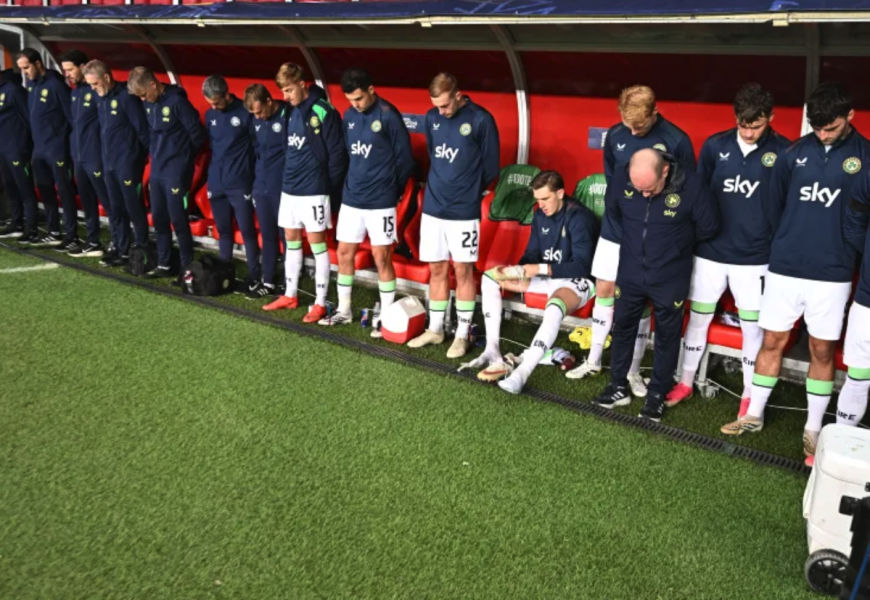
The Republic of Ireland defeated Israel 3-0 in the first of two UEFA Nations League fixtures between the teams, with the match taking place amid an international controversy and calls for Ireland to boycott the game.
The match was played in Hungary on Sunday after months of pressure on the Football Association of Ireland (FAI) to withdraw from the fixture over Israel's military campaign in Gaza.
Irish players wore black armbands during the match in recognition of people killed in the conflict. They also bowed their heads during Israel's national anthem and did not participate in the traditional pre-match handshakes.
Ireland captain Dara O'Shea has pledged to donate all of his earnings from the match to humanitarian aid efforts in Gaza.
FAI chief executive David Courell said on Saturday that the decision to wear the armbands was made "in recognition of all lives lost in the conflict". He said the match would proceed following lengthy discussions and a vote among the Irish squad.
The FAI had informed Israeli officials beforehand that Ireland's players would not shake hands, with UEFA accepting the arrangement.
Ireland goalkeeper Gavin Bazunu was the only player to publicly withdraw from the fixture after the FAI confirmed the team would participate. Bazunu said in a statement posted on social media that he believed it would be wrong for him to take part in the matches against Israel.
The goalkeeper subsequently withdrew from both fixtures, including the second match scheduled for October 4 in Backa Topola, Serbia.
The decision to proceed with the matches followed months of campaigning by Irish footballers, athletes and supporters calling for a boycott.
Since May, prominent Irish footballers have backed a campaign organised by Irish Sport for Palestine. More than 160 Irish athletes also signed an open letter calling on the FAI to reconsider its decision to play the fixtures.
Campaigners have argued that Israel should face sanctions from international football governing bodies, alleging that Israeli teams have played on occupied Palestinian territory and that this breaches UEFA and FIFA regulations.
Despite the controversy surrounding the fixture, Ireland produced a decisive performance on the field, scoring three goals without reply.
The two teams are scheduled to meet again on October 4, when the second Nations League fixture will be played in Serbia.
More Top Stories