°C
 5
Min
Oil exports from the Gulf have recovered significantly in recent weeks despite a sharp increase in attacks and security incidents involving commercial vessels around the Strait of Hormuz. Maritime intelligence data shows Gulf oil flows excluding Iran recovered to more than 81 percent of pre-war levels in September. Crude exports from the wider Middle East also exceeded pre-war levels on 14 days during the month.
Hormuz ship attacks surge as oil exports recover
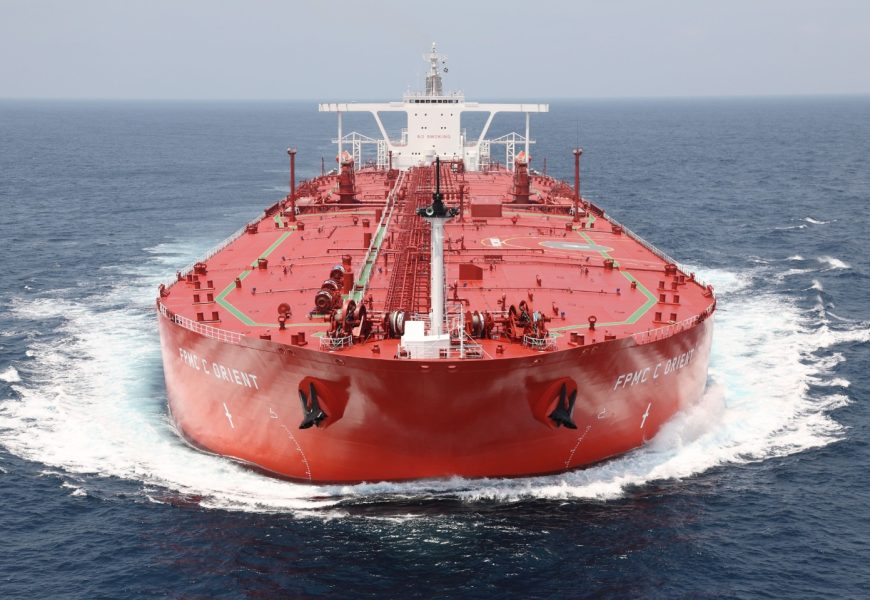
Oil exports from the Gulf have recovered significantly in recent weeks despite a sharp increase in attacks and security incidents involving commercial vessels around the Strait of Hormuz.
Maritime intelligence data shows Gulf oil flows excluding Iran recovered to more than 81 percent of pre-war levels in September. Crude exports from the wider Middle East also exceeded pre-war levels on 14 days during the month.
The recovery has occurred as tanker operators face increasing security threats, along with higher freight, insurance and security costs.
On Tuesday, 12 crew members aboard a Panama-flagged tanker were injured after the vessel was struck by an unidentified projectile while transiting the Strait of Hormuz, according to India's Ministry of Foreign Affairs.
Before the US-Israel war with Iran began on February 28, the Strait of Hormuz handled about 125 large commercial vessels each day. The waterway normally carries roughly 20 percent of the world's crude oil and liquefied natural gas supplies.
Iran moved to effectively close the strait following the attacks, while the United States has maintained a blockade of Iranian ports.
Despite the deteriorating security situation, significant volumes of oil are continuing to leave the region through a combination of alternative export routes and complex shipping arrangements.
Attacks increase around Hormuz
At least seven tanker-related incidents have been reported over the past week, according to maritime intelligence data.
The Kuwaiti-flagged very large crude carrier MT Kazimah III caught fire after being struck on October 1 while travelling through the strait. Five crew members were safely rescued.
On October 4, the Liberian-flagged Aframax tanker Lipsi was struck northeast of Oman's Jazirat Umm al-Fayarin, damaging its engine room. No casualties were reported.
The United Kingdom Maritime Trade Operations agency has also reported at least one attack each day in the Strait of Hormuz or the Gulf of Aden since October 2.
On Monday, a tanker entering the Strait of Hormuz near Oman was reportedly contacted by Iran's Islamic Revolutionary Guard Corps and ordered to turn around or face the risk of attack.
The incidents have raised fresh questions about how long the current level of oil exports can continue.
Oil flows recover despite attacks
Provisional data indicates Middle Eastern crude exports have returned to, and in some cases exceeded, pre-war levels.
The seven-day moving average for Middle East crude exports reached 18.3 million barrels per day on September 30, compared with an average of about 18 million barrels per day during the 12 months before the conflict.
Separate estimates put the 14-day average for Middle Eastern crude and condensate exports at approximately 18.6 million barrels per day.
However, a significant proportion of those exports are avoiding the Strait of Hormuz altogether.
Around 40 percent of regional oil exports are estimated to bypass the waterway. Much of the crude that does pass through the strait is also transferred between vessels offshore.
The increase in oil availability has contributed to lower prices. Brent crude fell 0.75 percent to about $99.57 a barrel on Tuesday, while US West Texas Intermediate declined 1.2 percent to approximately $88.37.
US President Donald Trump has claimed the increase in oil flows reflects US control of the strait and efforts to protect commercial shipping.
Iran has rejected those claims, saying oil movements through the waterway remain negligible and that it continues to exercise effective control over the strait.
Alternative routes help maintain exports
Saudi Arabia has played a major role in maintaining regional oil exports by relying more heavily on infrastructure that bypasses Hormuz.
The country's East-West pipeline transports crude from oil fields in eastern Saudi Arabia to the Red Sea port of Yanbu, allowing some exports to avoid the strait.
Another increasingly important method involves ship-to-ship transfers.
Smaller vessels transport oil through or around the Strait of Hormuz before transferring their cargo to larger tankers waiting farther offshore. Some shuttle vessels reportedly disable their tracking systems, making their movements more difficult to monitor.
Energy analysts say these arrangements have helped maintain supplies despite the security risks.
How sustainable are current oil flows?
The current export levels could continue while alternative routes remain operational and shipping lanes are relatively secure.
However, Saudi Arabia's East-West pipeline has previously experienced temporary disruptions following drone attacks, demonstrating the vulnerability of alternative infrastructure.
The growing reliance on smaller vessels and ship-to-ship transfers is also placing additional pressure on the global tanker market.
The increased demand for vessels in the Gulf has pushed freight costs higher and reduced tanker availability in other regions. Asian buyers are also being forced to source some crude from more distant suppliers.
Analysts say the problem is increasingly becoming one of shipping capacity rather than simply oil supply.
Higher transportation and insurance costs are also keeping oil prices well above their pre-war levels. Crude was trading at just under $100 a barrel, compared with roughly $72 before the conflict began.
Last week, G7 countries announced plans to release up to 100 million barrels from strategic reserves, including diesel, in an effort to ease pressure on energy markets.
Further releases could help contain prices, but global inventories remain relatively tight. Any renewed deterioration in security around the Middle East could therefore cause prices to rise rapidly.
Analysts say a lasting return to normal market conditions would require a credible peace agreement between the United States and Iran and the permanent reopening of the Strait of Hormuz.
Saudi Aramco chief executive Amin Nasser has warned that the effects of the conflict could continue long after the waterway eventually reopens.
Nasser said almost three billion barrels of oil supply had been lost since the conflict began and warned that rebuilding depleted inventories while meeting global demand could take as long as two years.
He said the global energy system was already under significant strain.
More Top Stories