°C
 4
Min
Former US diplomat Daniel Fried has warned that new US sanctions against Russia could lose their effectiveness if the Trump administration sends conflicting messages about its objectives and enforcement plans.
Fried Warns Mixed Signals Could Weaken Russia Sanctions
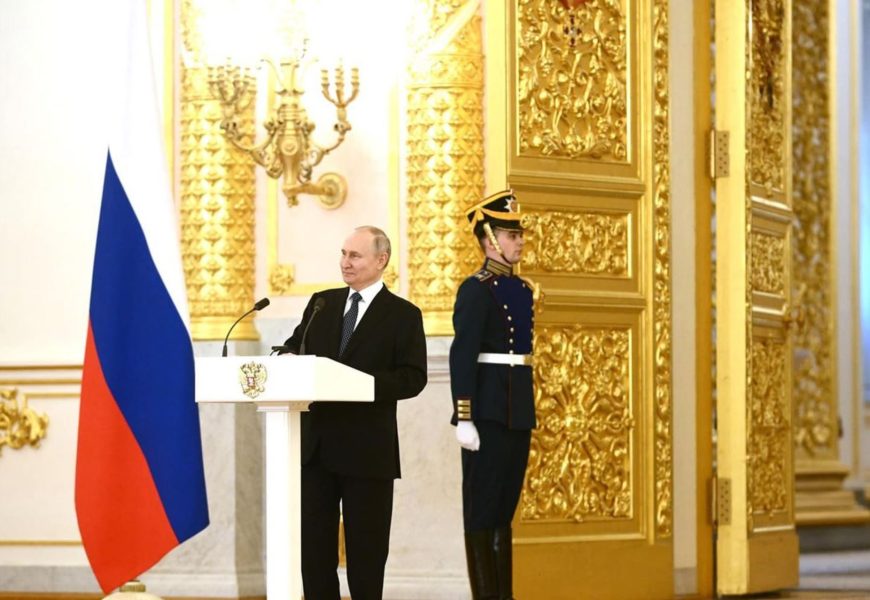
Former US diplomat Daniel Fried has warned that new US sanctions against Russia could lose their effectiveness if the Trump administration sends conflicting messages about its objectives and enforcement plans.
Fried, who served across seven US administrations, including as US ambassador to Poland and State Department coordinator for sanctions policy, said the legislation signed by President Donald Trump on September 18 gives Washington significant new tools to pressure Moscow.
But he said the measures would have the greatest impact if they were combined with clear diplomacy and coordinated action with US allies.
"The administration needs to stop sending mixed messages," Fried said in an interview on September 29.
The Lindsey O. Graham Sanctioning Russia and Iran Act of 2026 allows the administration to impose sanctions targeting Russian officials, banks, the energy sector and vessels linked to Russia's so-called shadow fleet of oil tankers.
The legislation also gives the administration authority to impose tariffs on countries that continue significant purchases of Russian oil and gas.
Fried said the law was not perfect but provided enough flexibility to increase pressure on Russia's economy.
He argued that reducing Moscow's income from oil and gas exports should be a central objective of the measures.
"If you do that, you've done something," Fried said.
He also said sanctions could have an effect even if Russia continued selling oil by forcing Moscow to accept larger discounts.
"Every dollar that they don't earn is a success for the law," he said.
However, Fried warned that statements from Washington could undermine those efforts if they suggested the administration wanted Russian energy supplies to remain readily available on international markets.
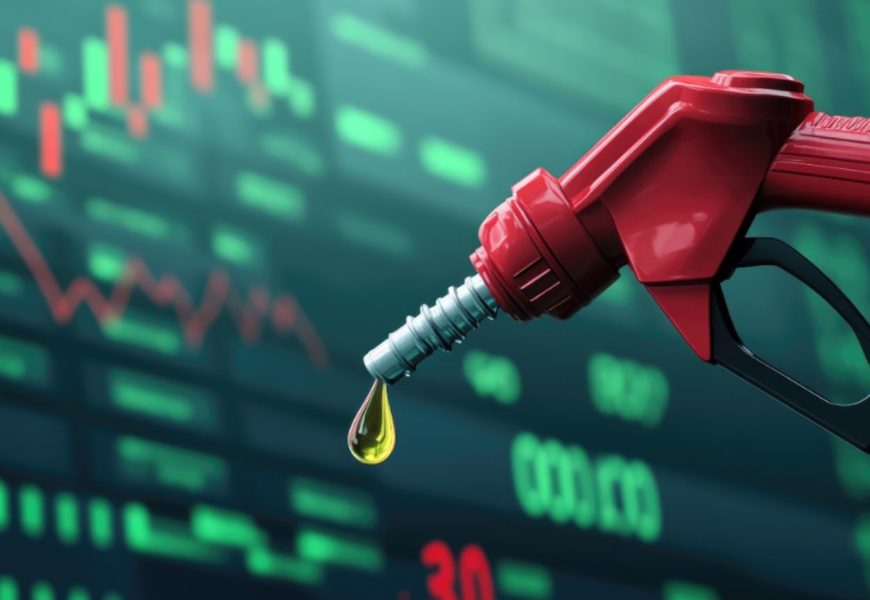
He pointed to comments by Trump that Ukrainian attacks on Russian oil refineries were contributing to higher diesel prices.
Fried said such remarks could create the impression that Washington wanted more Russian oil and diesel available globally rather than seeking to reduce Russia's energy revenues.
"Those mixed messages from Washington undercut the law, but, more importantly, they undercut good policy," he said.
Sanctions and diplomacy
Fried's comments came as US and Russian officials continued contacts over economic issues and efforts to end the war in Ukraine.
Reports have indicated that US special envoy John Coale has considered a proposal under which Russia could release political prisoners in return for some sanctions relief. The proposal is reportedly still at an early stage.
Coale has pursued a comparable approach with Belarus, where the release of hundreds of political prisoners has been followed by discussions over sanctions relief and expanded economic ties.
Meanwhile, Russian presidential envoy Kirill Dmitriev met with US President Donald Trump's envoy Jared Kushner on September 28, according to a senior US administration official.
Dmitriev reportedly held further meetings with officials from the US Treasury and Energy departments on September 29.
Dmitriev has been involved in previous contacts with the Trump administration concerning economic and energy matters, as well as efforts to resolve the war in Ukraine.
Fried said the flexibility provided by the new sanctions legislation could allow Washington to combine economic pressure with diplomatic negotiations.
He argued that the United States should make clear to countries such as China and India that sanctions would be enforced while also discussing ways for them to reduce their dependence on Russian energy.
Fried said cooperation with European governments and the G7 would also be important.
"A message just from America is going to have less weight than a message from all of the economic pillars of the free world," he said.
Lawmakers call for continued pressure
The possibility of sanctions relief has faced opposition from US lawmakers who support maintaining economic pressure on Moscow while the war in Ukraine continues.
Senator Dick Durbin of Illinois, the senior Democrat on the Senate Judiciary Committee, said on September 29 that he hoped Trump would use the new sanctions authority to encourage Russia's major trading partners to comply with the measures.
The bipartisan Congressional Ukraine Caucus also called for continued pressure on Russia.
The caucus said the United States should maintain and increase sanctions while Russia's full-scale invasion of Ukraine continues.
Its four co-chairs - Democratic Representatives Marcy Kaptur of Ohio and Mike Quigley of Illinois, along with Republican Representatives Brian Fitzpatrick of Pennsylvania and Joe Wilson of South Carolina - also responded to reports that sanctions relief could be considered in exchange for the release of political prisoners.
The lawmakers argued that easing sanctions could reduce economic pressure on Moscow while the conflict remains unresolved.
The debate highlights the challenge facing Washington as it seeks to balance economic pressure on Russia with diplomatic efforts aimed at negotiations and a possible end to the war in Ukraine.
More Top Stories