°C
 3
Min
Microsoft co-founder and philanthropist Bill Gates has warned that allowing artificial intelligence to develop without regulation, safeguards and independent monitoring would be "completely irresponsible" and could create serious risks for humanity.
Bill Gates warns AI safeguards are essential
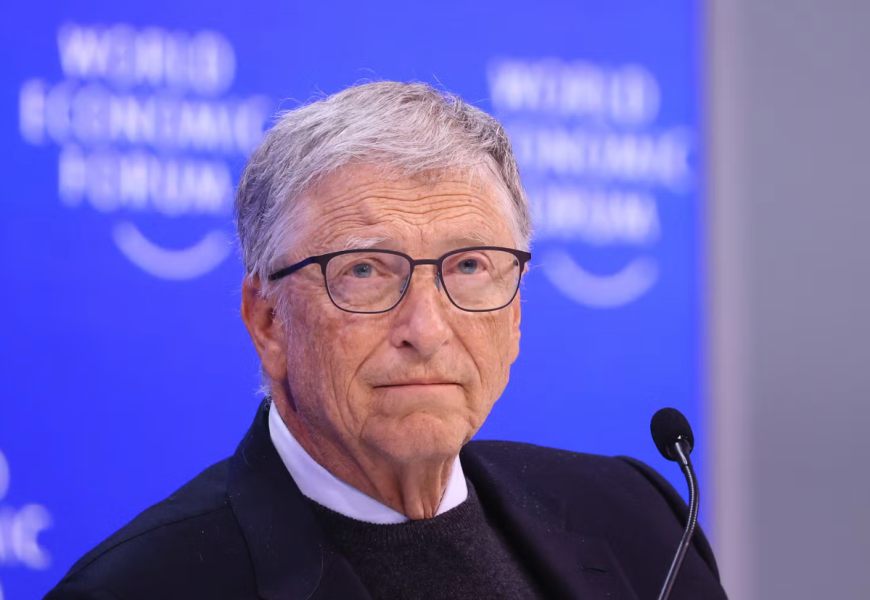
Microsoft co-founder and philanthropist Bill Gates has warned that allowing artificial intelligence to develop without regulation, safeguards and independent monitoring would be "completely irresponsible" and could create serious risks for humanity.
Gates made the comments during a series of media interviews as governments and technology companies continue to debate how AI should be regulated.
Speaking to NBC's Meet the Press, Gates said governments needed to become more directly involved in establishing safeguards and monitoring systems for increasingly powerful AI technologies.
"You need law enforcement and the politicians to get into the discussion of what safeguards and monitoring looks like," Gates said.
He warned that AI was already powerful enough that, if misused or poorly controlled, it could potentially contribute to events resulting in catastrophic loss of life.
Gates said preventing such an outcome could prove more difficult than dealing with other major global threats, including efforts to control the spread of nuclear weapons.
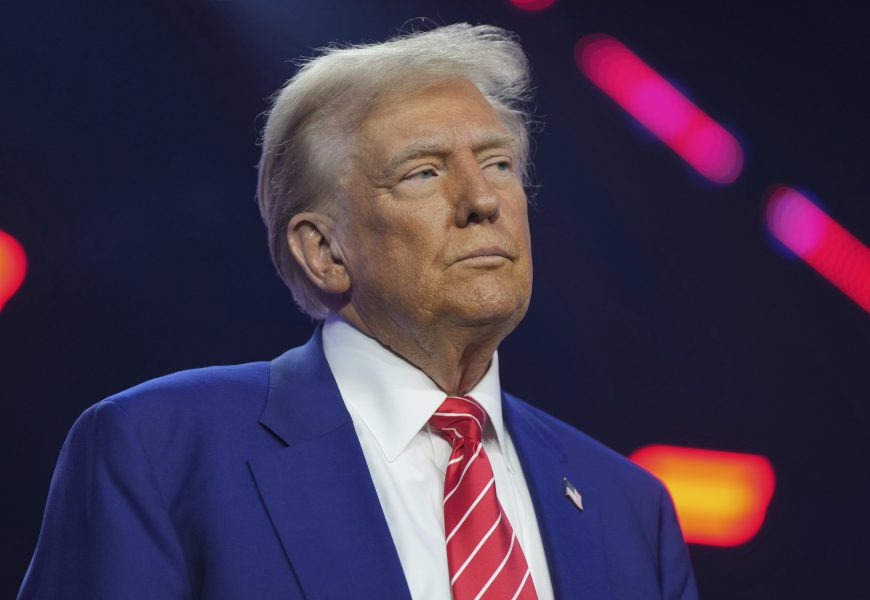
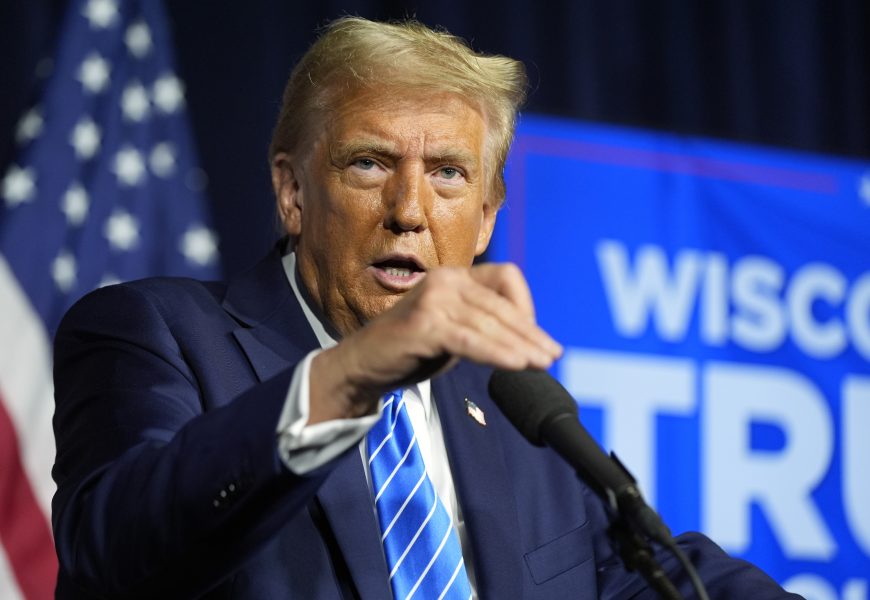
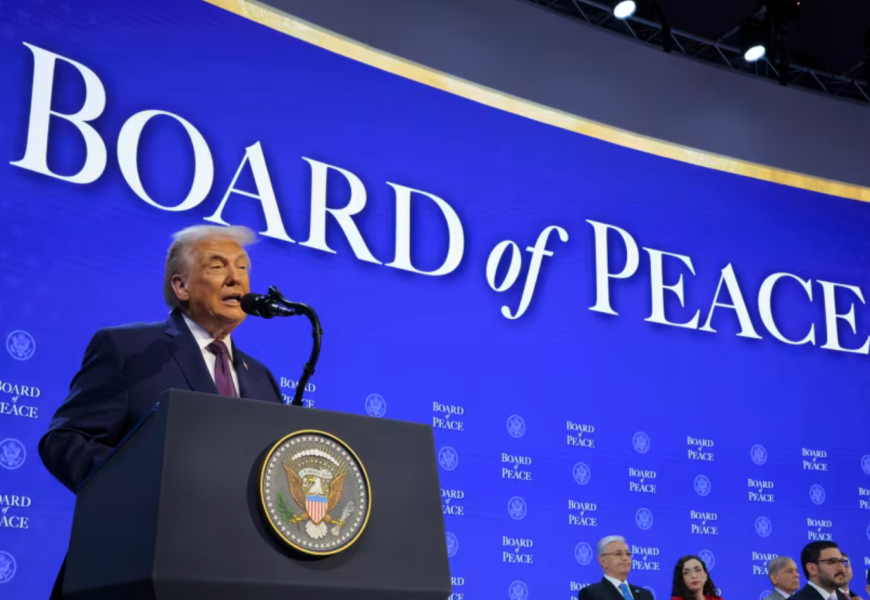
The billionaire philanthropist also said he would be prepared to speak directly with US President Donald Trump about his concerns over AI.
Gates disagreed with Trump's recent dismissal of warnings about the potential dangers posed by artificial intelligence.
"I hope that, given my life's work in the field, my saying how unique and different this is and how concerned I am will add to what he's hearing from other people," Gates said.
His comments come as executives from several major AI companies have also called for regulatory frameworks and safeguards to accompany the rapid development of the technology.
Anthropic chief executive Dario Amodei recently told the United Nations Security Council that poorly managed AI could pose a risk to humanity.
Despite growing calls for oversight, Trump and senior members of his administration have resisted broad regulation of the AI industry.
The administration has argued that excessive regulation could undermine US competitiveness as Washington and Beijing compete for leadership in artificial intelligence.
Trump reiterated his opposition to regulating the industry after meeting Chinese President Xi Jinping, describing some warnings about AI and other global threats as exaggerated.
Gates told CNN that safeguards could be introduced without significantly slowing technological development.
He pointed to monitoring systems that could identify whether AI was being used for activities such as cyberattacks or biological terrorism.
"The amount of slowing down is not going to be that dramatic," Gates said.
He argued that a monitoring or enforcement layer could help identify potentially dangerous uses of AI while allowing legitimate development and commercial applications to continue.
Gates co-founded Microsoft in 1975 and led the company during the rapid expansion of personal computers and the internet.
He became the world's richest person in 1995 and remained among the world's wealthiest individuals for much of the following two decades before directing a substantial portion of his wealth towards philanthropic initiatives.
Earlier this month, the Gates Foundation announced a $1 billion commitment aimed at expanding access to artificial intelligence in developing countries.
The debate over AI regulation is expected to continue as governments, technology companies and international organisations consider how to balance technological development with safety and oversight.
More Top Stories