°C
 3
Min
US President Donald Trump has again asked the Supreme Court to intervene in a legal dispute over new restrictions on mail-in voting ahead of November's congressional elections. The latest appeal was filed on Sunday, just two days after a federal judge blocked the US Postal Service (USPS) from implementing provisions contained in a Trump executive order.
Trump Administration Makes Fresh Supreme Court Appeal Over Mail-In Voting Rules
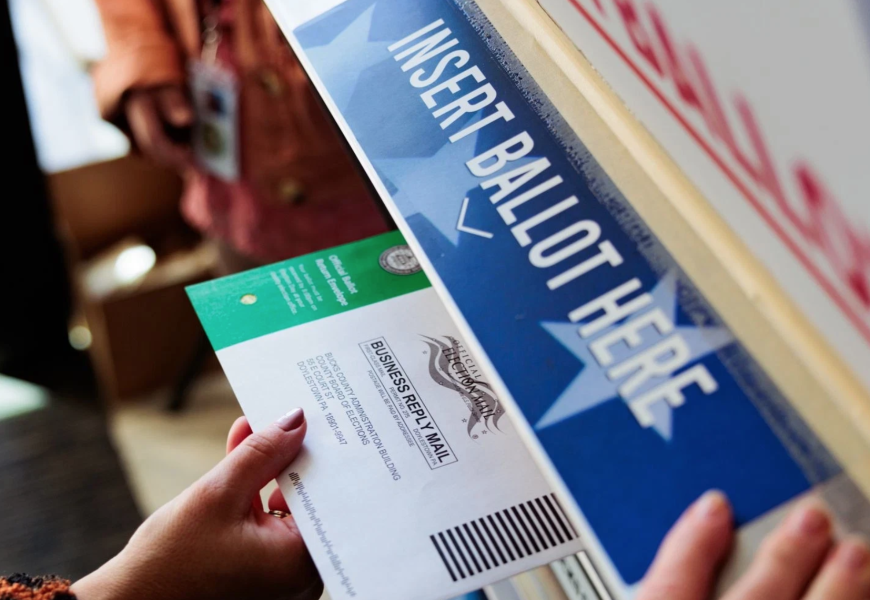
The administration of US President Donald Trump has again asked the Supreme Court to intervene in a legal dispute over new restrictions on mail-in voting ahead of November's congressional elections.
The latest appeal was filed on Sunday, just two days after a federal judge blocked the US Postal Service (USPS) from implementing provisions contained in a Trump executive order aimed at changing how mail-in ballots are handled.
The administration is asking the Supreme Court to temporarily allow the postal agency to track mail-in ballots and determine whether some ballots should be rejected. The dispute comes as several states have already begun distributing postal ballots to voters ahead of the November midterm elections.
US District Judge Indira Talwani ruled on Friday that Trump's directives were likely unconstitutional, particularly because they would give the federal government a greater role in the administration of elections, which is traditionally controlled by individual states.
Talwani also expressed concern about the timing of the changes, warning that implementing new federal requirements only weeks before election day could create significant disruption.
With millions of Americans relying on postal voting, she said the administration's actions could potentially threaten the ability of voters to cast their ballots.
The Trump administration strongly disputed that assessment in its emergency Supreme Court filing.
US Solicitor General John Sauer argued that the USPS rule would not transfer control of elections from the states to the federal government. Instead, he described the measures as limited administrative requirements intended to help the postal service process election mail.
Sauer said states would be required to provide the names, addresses and barcode information of voters expected to receive ballot mail through an online system. He argued that election officials would already have access to that information as part of the normal process of sending ballots.
According to the administration, states would continue to determine who is eligible to vote and who qualifies for voting by mail.
The proposed rules would also leave states in control of ballot content, mailing and ballot-receipt deadlines, as well as the procedures used to count votes, Sauer said.
Supreme Court Justice Ketanji Brown Jackson has set Wednesday as the deadline for responses to the administration's request.
Sunday's filing represents the third occasion on which the Trump administration has asked the Supreme Court to intervene in the dispute. The justices recently allowed the administration's plan to proceed temporarily, but did not issue a final ruling on whether the measures are lawful.
The case could have significant political consequences as voters prepare to decide control of both chambers of Congress in November.
Trump has repeatedly criticised mail-in voting and has falsely claimed that the system is vulnerable to widespread fraud. At the same time, he has voted by mail himself.
Opponents of the administration's efforts argue that the push to restrict postal voting is politically motivated, pointing to differences in voting patterns between Republicans and Democrats.
However, research indicates that mail-in voting is used by voters across the political spectrum.
An analysis by the States United Democracy Center found that approximately one in four registered Democrats and one in five registered Republicans voted by mail during the 2024 presidential election.
The Supreme Court's decision could therefore affect not only election administration but also millions of voters who depend on postal ballots to participate in US elections.
More Top Stories