°C
 2
Min
South-East Queensland residents are being urged to monitor changing weather conditions as warm spring temperatures give way to the possibility of thunderstorms, heavy rainfall and large hail during the coming days. Brisbane, the Gold Coast, Ipswich, Toowoomba and surrounding communities are among the areas that could experience unsettled conditions as weather systems move across the state.
South-East Queensland Braces for Storms and Possible Hail
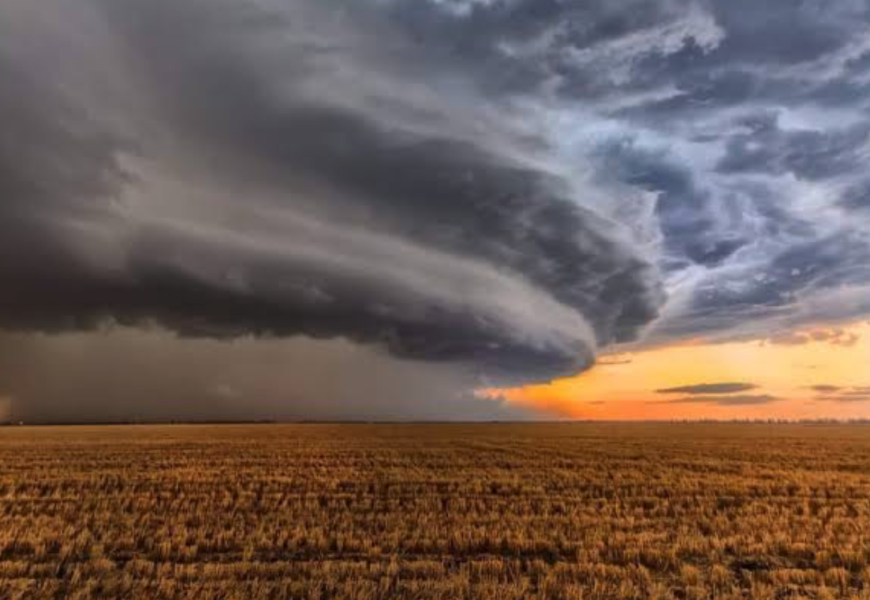
South-East Queensland residents are being urged to monitor changing weather conditions as warm spring temperatures give way to the possibility of thunderstorms, heavy rainfall and large hail during the coming days.
Brisbane, the Gold Coast, Ipswich, Toowoomba and surrounding communities are among the areas that could experience unsettled conditions as weather systems move across the state.
Temperatures are forecast to climb above 30 degrees Celsius in several south-east centres on Monday, with Ipswich expected to reach 34 degrees, Brisbane 31 degrees and Toowoomba 30 degrees. The combination of warm conditions and approaching weather systems is creating favourable conditions for thunderstorm development.
Meteorologists have indicated that storms could develop from Tuesday, particularly south of Brisbane and towards the New South Wales border. The Gold Coast and the Granite Belt are among the areas where large hail could occur if severe storms develop.
Brisbane is also not ruled out as a location for severe thunderstorms, although the timing and location of individual storm cells remain uncertain.
Rainfall totals could vary significantly across the region. Some areas may receive relatively light falls, while stronger thunderstorms could produce between 20 and 50 millimetres of rain. Heavy rainfall is possible around the Gold Coast, while other parts of Queensland may receive little or no precipitation.
Showers and thunderstorms could continue across southern Queensland through Wednesday and Thursday, with unsettled conditions potentially persisting towards the weekend.
The developing weather pattern comes as parts of Queensland experience a generally warm and dry spring, highlighting the possibility of rapid changes in local conditions.
Residents should monitor official Bureau of Meteorology forecasts and Queensland emergency alerts, particularly if thunderstorms develop near their communities. Drivers should be prepared for reduced visibility, slippery roads and localised flooding during heavy downpours.
People planning outdoor activities should remain flexible as forecasts are updated, while securing loose outdoor items and avoiding exposed locations during severe weather.
The precise timing, intensity and location of storms may change as the weather systems move across the state.
More Top Stories