°C
 4
Min
Cuba is stepping up efforts to expand renewable energy as a United States oil blockade deepens fuel shortages and places further pressure on the island's struggling economy. Energy and Mines Minister Vicente de la O Levy said the restrictions on fuel imports had forced the government to seek alternative energy sources, including solar, wind, tidal power, domestic crude oil and natural gas.
Cuba accelerates renewable energy push amid US oil blockade
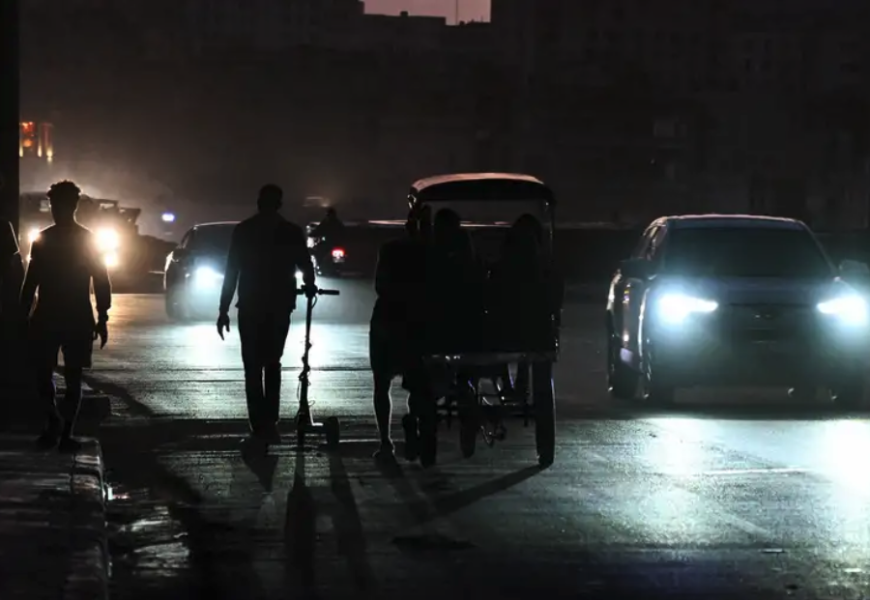
Cuba is stepping up efforts to expand renewable energy as a United States oil blockade deepens fuel shortages and places further pressure on the island's struggling economy.
Energy and Mines Minister Vicente de la O Levy said the restrictions on fuel imports had forced the government to seek alternative energy sources, including solar, wind, tidal power, domestic crude oil and natural gas.
"We are seeking our own alternative solutions, using our own resources, our sun, wind, tides, fuel, Cuban crude oil and the gas produced in our wells," de la O Levy said.
The minister said Cuba had installed 144 solar farms in recent years, providing a combined generating capacity of approximately 1,418 megawatts.
China has emerged as the island's largest supplier of solar panels, with deliveries increasing since the latest US restrictions on oil supplies began in early January.
The measures followed US President Donald Trump's decision to halt oil shipments from Venezuela, a key Cuban ally. Later that month, Trump announced plans to impose substantial tariffs on countries exporting oil to Cuba, describing the Cuban government as a national security threat.
Since then, only one Russian oil tanker has reached Havana, according to the account provided by Cuban officials. Washington has allowed some oil shipments destined for private businesses but has largely restricted fuel exports for Cuba's state-run industries.
The restrictions have intensified pressure on an electricity network that relies heavily on fossil fuels and has long suffered from ageing infrastructure.
According to the International Energy Agency, domestic oil production accounts for about 40 per cent of Cuba's electricity generation. Renewable sources covered just nine per cent of the country's total energy consumption in 2023.
De la O Levy acknowledged that the country faced significant challenges, with fuel shortages contributing to prolonged power outages and disruptions to essential services.
The crisis has affected access to medicine, water and cooking fuel, while shortages have also disrupted transportation across the island.
"We are surviving and moving forward, little by little, even if not at the pace we would like," the minister said.
He added that Cubans were enduring lengthy blackouts and struggling to obtain fuel for cooking and travel, but maintained that the country was gradually advancing through domestic energy initiatives.
Cuba's domestic crude oil production remains stable, de la O Levy said, although almost all of the output is allocated to power generation, limiting its availability for other purposes.
The US restrictions have drawn criticism from the United Nations and human rights organisations, which have raised concerns about their legality and humanitarian consequences.
Cuban Foreign Minister Bruno Rodriguez Parrilla condemned the measures during his address to the United Nations General Assembly in September, describing the restrictions as an unprecedented attempt to prevent countries from trading with Cuba.
The United States has maintained an economic embargo against Cuba for more than six decades. However, Trump's second administration has intensified pressure on the communist-led government as part of a broader campaign aimed at forcing political and economic change.
The dispute escalated further on October 7, when US authorities announced the seizure of 90 biodiesel fuel shipments valued at more than $2.8 million that were reportedly destined for Cuba.
US Immigration and Customs Enforcement said the shipments were part of an attempt to export fuel to the island in violation of federal export laws.
De la O Levy denied that the Cuban government had any connection to the intercepted shipments, saying no Cuban state-owned company had secured a fuel contract, regardless of the quantity involved.
He also questioned the significance of oil deliveries permitted for private businesses, arguing that the volumes were far too small to meet the country's needs.
"I would venture to say that the amount entering the country doesn't even cover 3 percent of its fuel needs," he said.
Cuba's renewable energy expansion could help reduce its dependence on imported fuel over time. However, the scale of the country's shortages, its reliance on conventional power generation and the condition of its electricity infrastructure present substantial obstacles to a rapid transition.
For now, the government faces the dual challenge of expanding domestic energy production while managing a deepening fuel crisis that continues to affect households, businesses and essential services.
More Top Stories