°C
 2
Min
Ambulance ramping continues to place pressure on Queensland’s public hospital system, with the latest available figures raising questions about the pace of improvement under the state government. Premier David Crisafulli has defended the government’s performance, arguing that the most recent August figures represent the best result for that month in five years.
Ambulance Delays Remain Under Health Spotlight
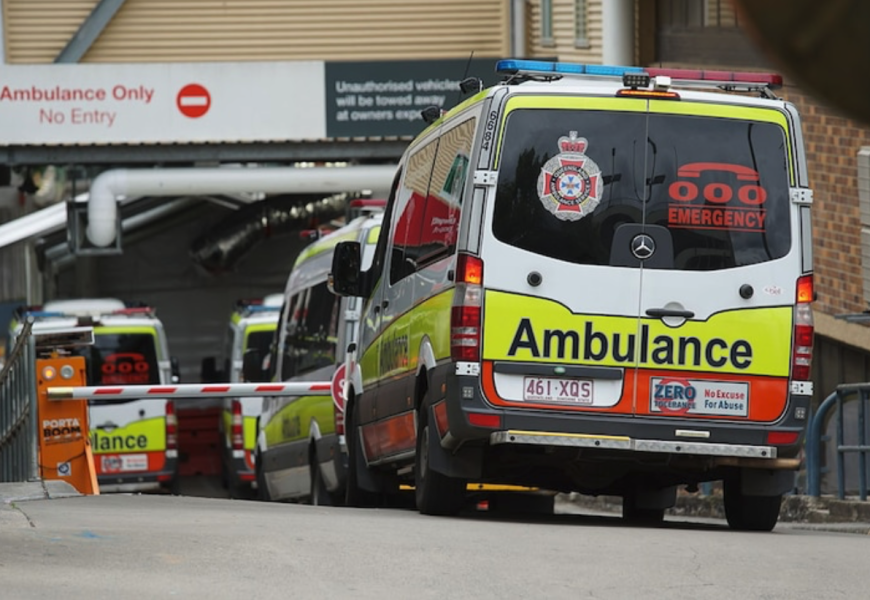
Ambulance ramping continues to place pressure on Queensland's public hospital system, with the latest available figures raising questions about the pace of improvement under the state government.
Premier David Crisafulli has defended the government's performance, arguing that the most recent August figures represent the best result for that month in five years. However, the figures also reveal ongoing difficulties transferring patients from ambulances into hospital emergency departments promptly.
Approximately 42 per cent of ambulances were delayed for more than 30 minutes outside the state's 26 largest hospitals in August. That compared with 38.7 per cent in July and remained above the government's target of reducing the proportion to below 30 per cent by the end of its term.
The average ambulance turnaround delay also increased. Ambulances lost an average of 17.2 minutes during the handover process in August, approximately four minutes more than the previous month.
The figures illustrate the difference between comparing performance across the same month in different years and measuring changes over a shorter period. While the government has highlighted the longer-term comparison, the monthly increase indicates that pressure on hospital access has not been consistently reduced.
Ambulance ramping occurs when paramedics must wait outside a hospital because emergency department staff cannot immediately accept patients into the hospital's care. Delays can leave ambulance crews unavailable for new emergency calls and place additional pressure on the wider emergency response system.
The causes can extend beyond the number of ambulances or emergency department treatment spaces. Hospital bed availability, staffing, patient discharge processes and demand for urgent care can all influence the speed at which patients move through the system.
The Queensland government has maintained its commitment to reducing ramping below 30 per cent by the end of its term, making the target an important benchmark for assessing its health policies.
For patients and paramedics, however, progress will ultimately be measured by whether people can access appropriate treatment without avoidable delays.
Further monthly results will help establish whether the latest increase is temporary or part of a sustained pattern. Until then, ambulance ramping remains one of the key tests facing Queensland's public health system.
More Top Stories