°C
 2
Min
US stocks extended their losses on Tuesday as surging oil prices, rising Treasury yields and growing concerns over government debt weighed on investor sentiment. The Dow Jones fell 330.74 points, or 0.63 per cent. The S&P 500 declined 34.47 points, or 0.45 per cent, while the Nasdaq dropped 202.84 points, or 0.77 per cent.
Wall Street falls as oil surges and Treasury yields top 5%
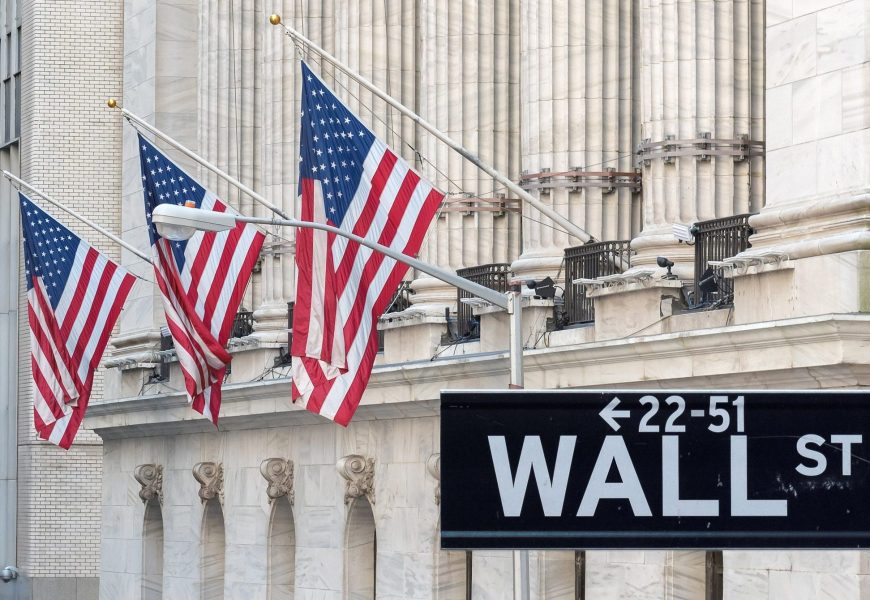
US stocks extended their losses on Tuesday as surging oil prices, rising Treasury yields and growing concerns over government debt weighed on investor sentiment.
The Dow Jones fell 330.74 points, or 0.63 per cent. The S&P 500 declined 34.47 points, or 0.45 per cent, while the Nasdaq dropped 202.84 points, or 0.77 per cent.
The declines followed losses across all three major indexes on Monday, with investors increasingly adopting a risk-averse approach amid growing economic and geopolitical uncertainty.
Most sectors ended lower, while energy stocks gained as escalating tensions in the Middle East pushed crude prices higher. Fresh attacks on Saudi Arabia's energy infrastructure raised further concerns about global oil supplies and added to market volatility.
Oil prices have risen sharply in recent weeks, with US crude climbing almost 25 per cent over the past two weeks. The increase has heightened concerns that higher energy costs could feed into broader inflation and complicate the US Federal Reserve's interest-rate decisions.
The Federal Reserve began its two-day monetary policy meeting on Tuesday, with its latest decision due on Wednesday.
Markets are widely expecting the central bank to raise its benchmark federal funds target by 25 basis points. Such a move would represent the first US interest-rate increase in more than three years.
Recent economic data showing continued strength in the labour market, combined with a sharp acceleration in energy prices, has increased expectations that inflationary pressures could persist.
Financial markets have significantly increased their expectations for a rate increase following last week's stronger-than-expected inflation figures. The probability of a 25-basis-point increase has risen to more than 95 per cent, compared with 33.1 per cent a month earlier.
The rise in Treasury yields has added another source of pressure for equities. The yield on the benchmark 10-year Treasury note moved above 5 per cent, increasing borrowing costs and making bonds more attractive relative to riskier assets such as shares.
Investors are now awaiting the Federal Reserve's decision and accompanying guidance for clues about the future path of interest rates.
The combination of elevated oil prices, higher bond yields, inflation concerns and geopolitical tensions has left markets facing increased uncertainty as investors assess the potential impact on economic growth and corporate earnings.
More Top Stories