°C
 3
Min
Uganda has introduced mandatory 21-day quarantine for citizens returning from the Democratic Republic of the Congo (DRC), as authorities strengthen measures to prevent further spread of Ebola across East Africa.
Uganda Imposes 21-Day Ebola Quarantine for Travellers Returning From DR Congo

Uganda has introduced mandatory 21-day quarantine for citizens returning from the Democratic Republic of the Congo (DRC), as authorities strengthen measures to prevent further spread of Ebola across East Africa.
Uganda has ordered citizens returning from the Democratic Republic of the Congo to undergo 21 days of quarantine as concerns grow over Ebola infections reported in neighbouring Kenya and Nigeria.
Health Minister Chris Baryomunsi announced the measure at a news conference in Kampala on Sunday, saying the country was increasing precautions despite declaring its own outbreak over in July.
Under the new arrangements, returning Ugandan citizens who have travelled to the DRC must pay for their quarantine, according to the Ministry of Health.
Authorities have also increased health screening at Entebbe International Airport and land border crossings. All incoming travellers are required to complete forms providing contact details to assist with monitoring and contact tracing.
Uganda declared its Bundibugyo Ebola outbreak over on July 28, after recording 20 infections and two deaths.
However, questions remain over the possible source of a recent infection involving a Ugandan-born woman married to a Swiss diplomat. Swiss authorities believe she contracted the virus during a visit to Uganda in September.
Nigeria confirmed her infection on October 20, after she travelled to the capital, Abuja.
Baryomunsi disputed the conclusion that Uganda was the likely source, saying relatives who had previously visited the DRC had met the woman in a Kampala suburb. He questioned whether investigators had fully examined the possibility that she was exposed through those contacts.
"We should speak science, not politics," he said.
The World Health Organization (WHO) said on Thursday that information available to it did not indicate the woman had travelled to the DRC herself.
Nigerian and Ugandan authorities are continuing to investigate her movements and the possible source of her infection.
Investigators are also examining the case of a Kenyan man who travelled from the DRC through Uganda before flying to Nairobi on October 3. He died two days later, and Kenya has since reported a second Ebola-related death.
Both the Kenyan man and the woman later diagnosed in Nigeria passed through Entebbe International Airport on the same day.
Ugandan officials said security footage showed no physical interaction between the two travellers. Nigerian authorities reported that genetic testing identified closely related viruses in the two cases, although investigators have not established a direct link between them.
Baryomunsi said 60 people identified in Uganda as having potentially been exposed to the Kenyan patient had completed 21 days of monitoring and been discharged.
The outbreak in the DRC, which began in May, has become the country's largest recorded Ebola outbreak. By October 20, the WHO had recorded 9,704 cases and 4,687 deaths across the country.
The virus has spread to eight Congolese provinces, increasing concerns about cross-border transmission and the challenges of containing the outbreak.
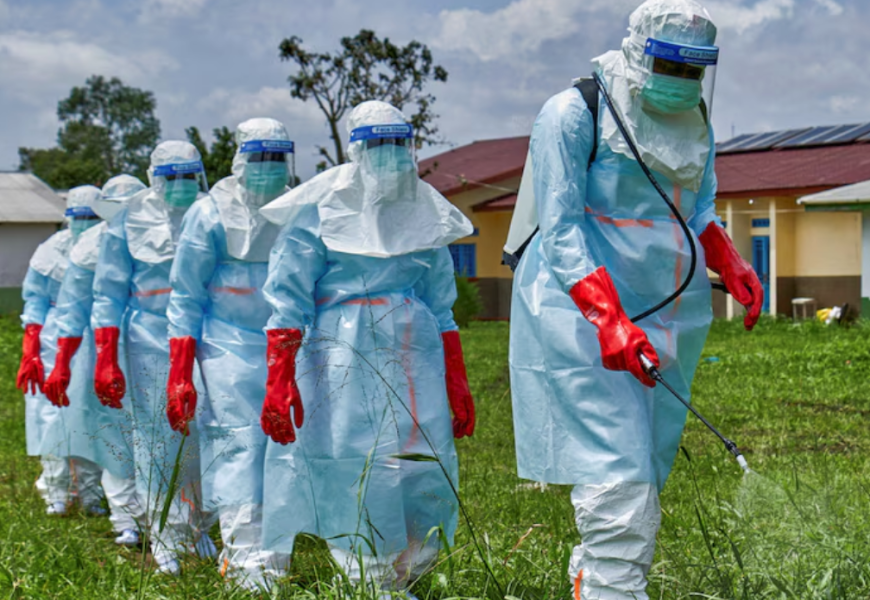
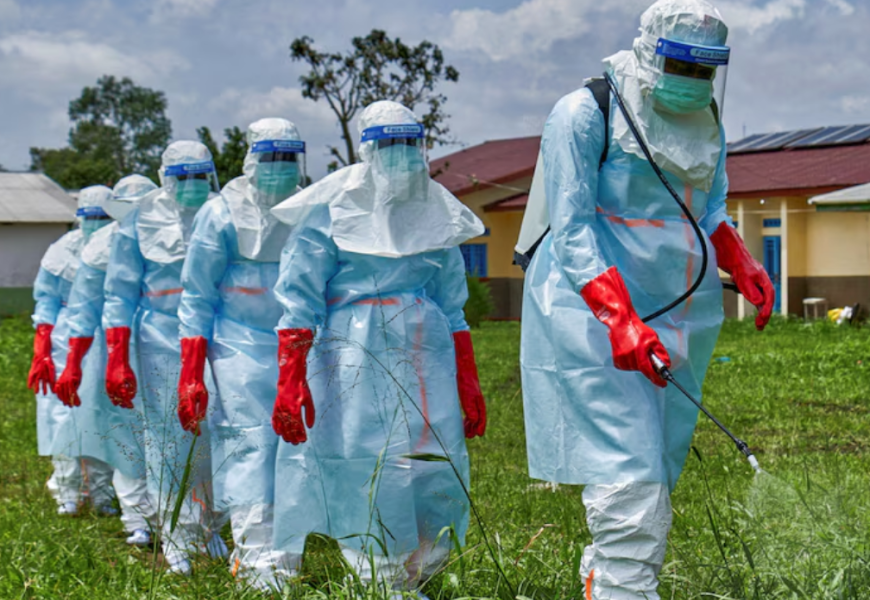
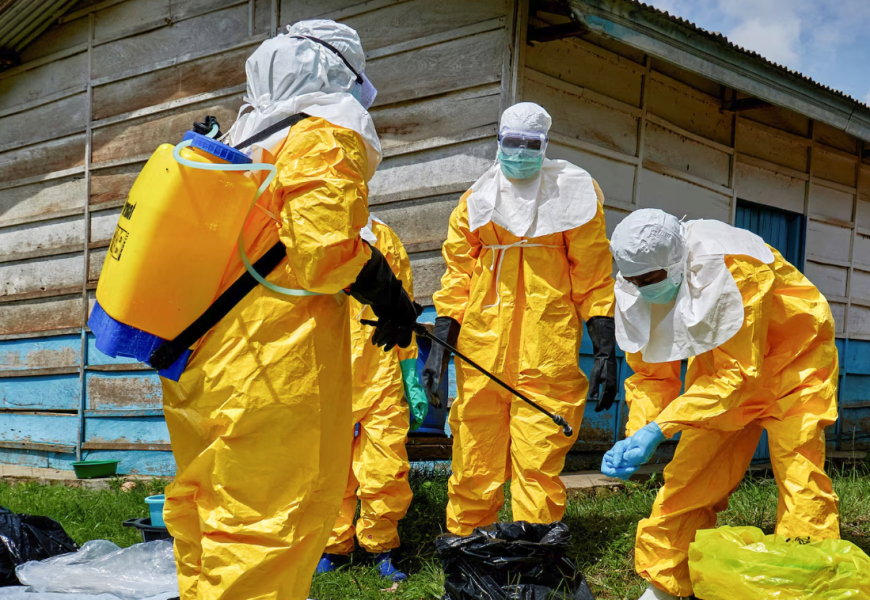
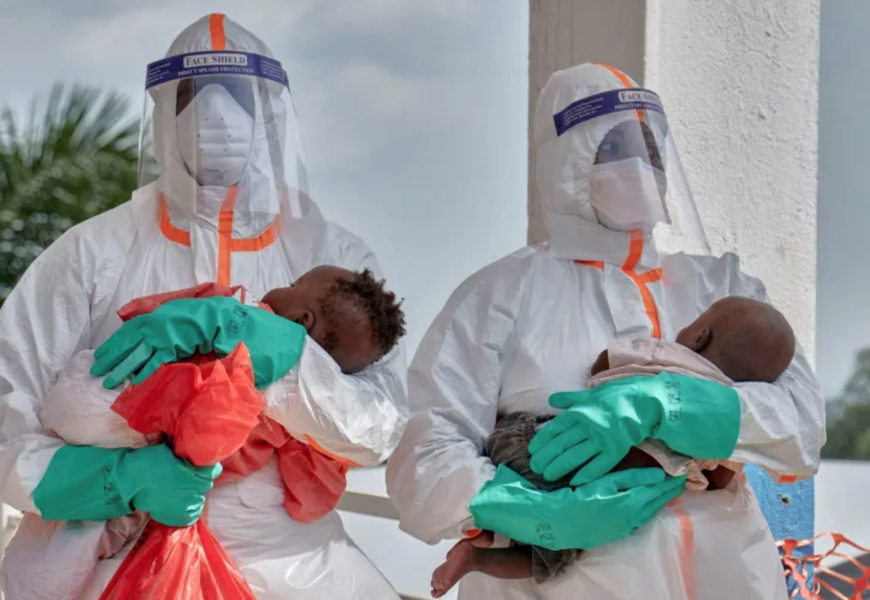
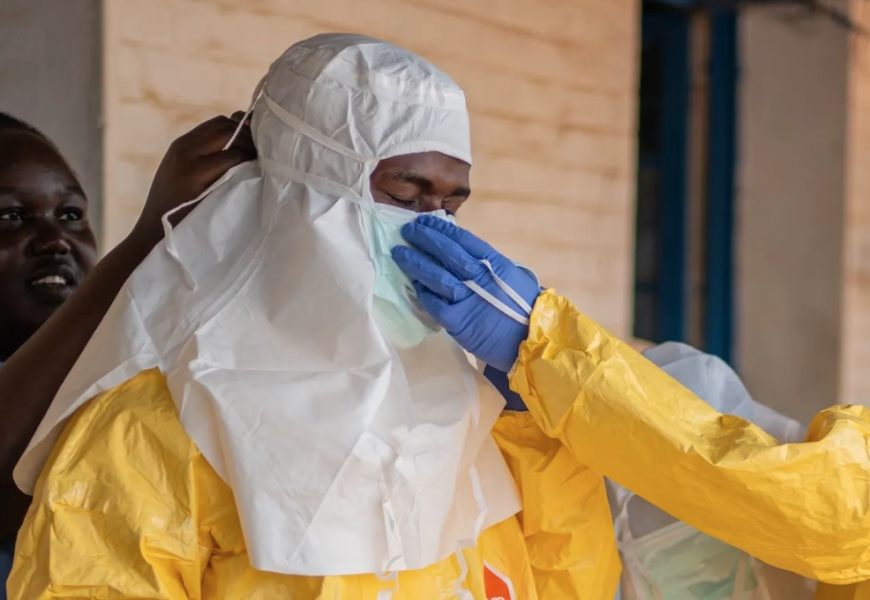
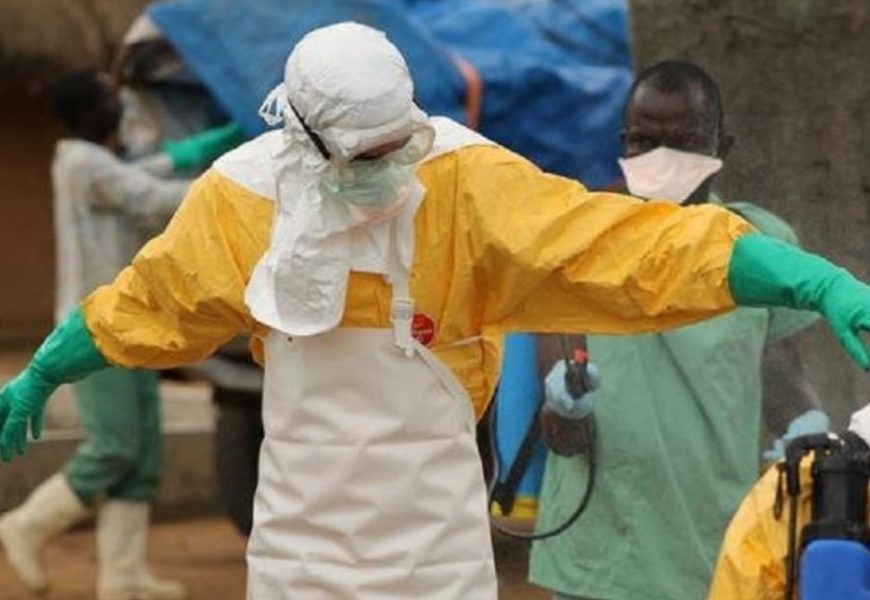
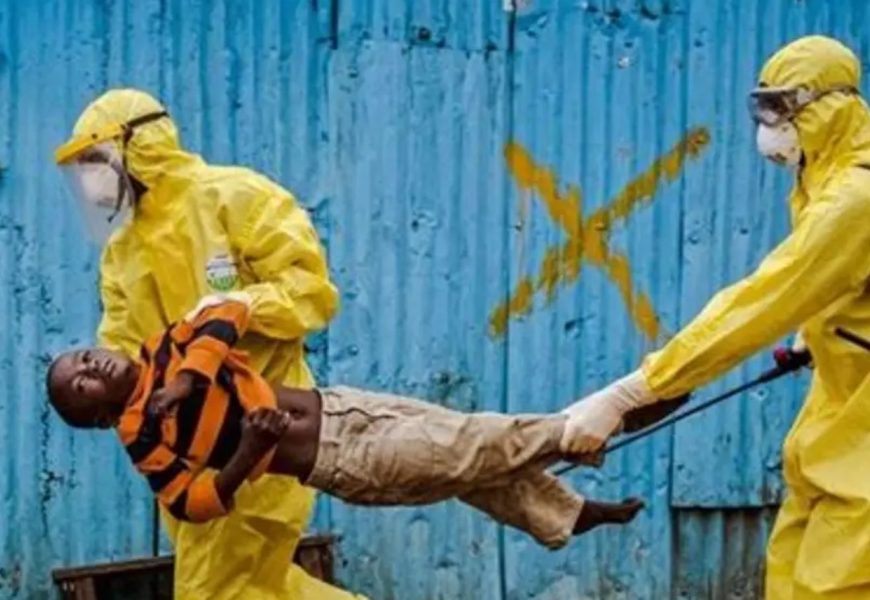
Ebola can cause severe illness, including haemorrhagic fever, and spreads through direct contact with the bodily fluids of infected people. Symptoms can take up to 21 days to develop.
The current outbreak involves the Bundibugyo strain, for which there is no approved vaccine or specific treatment.
In an update published on October 23, the WHO called for stronger surveillance and greater cooperation between countries to identify and contain infections. However, it advised against imposing travel or trade restrictions on countries affected by the outbreak.
Uganda's latest measures are intended to strengthen monitoring and reduce the risk of further transmission while investigations continue into the infections reported in the region.
More Top Stories