°C
 4
Min
Oil exports from the Persian Gulf have recovered to levels close to those seen before the war, but the way crude is reaching global markets has changed dramatically, suggesting Iran's ability to use the Strait of Hormuz as a source of pressure has weakened without disappearing entirely.
Iran's Hormuz Leverage Is Eroding, But Not Gone
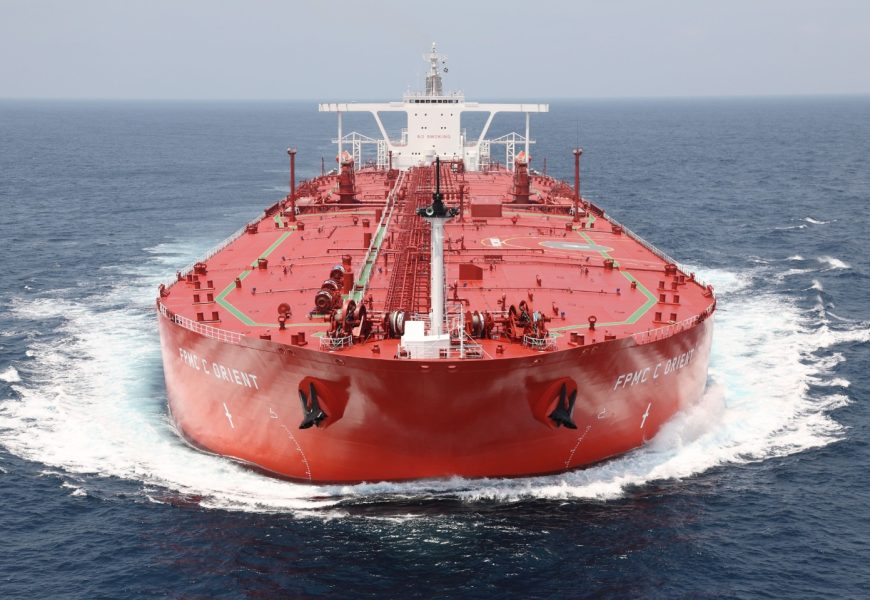
Oil exports from the Persian Gulf have recovered to levels close to those seen before the war, but the way crude is reaching global markets has changed dramatically, suggesting Iran's ability to use the Strait of Hormuz as a source of pressure has weakened without disappearing entirely.
At least 16.5 million barrels per day of crude left the Gulf region between September 1 and September 28, broadly matching the prewar average when Iranian exports are excluded.
However, the recovery in crude shipments has not resolved disruptions elsewhere in global energy markets. Refinery constraints continue to push diesel prices higher, with European Union figures released on October 1 showing record pump prices. US diesel prices have also risen despite the improvement in crude exports.
The most significant change has been in the routes used to move oil.
Before the war, about 83 percent of regional crude exports travelled through the Strait of Hormuz. In September, around 40 percent avoided the strategic waterway, instead using pipelines and alternative routes through Saudi Arabia and the United Arab Emirates.
Approximately 9.9 million barrels per day, or about 60 percent of the region's crude exports, still crossed Hormuz.
The shipping arrangements have also become increasingly unusual. More than 70 percent of the crude that crossed the strait in August changed tankers offshore in the Gulf of Oman, highlighting the extent to which the regional oil trade has adapted to the conflict.
For Iran, the continued movement of large volumes of oil represents a reduction in its ability to disrupt traffic through Hormuz.
Mohammad Ghaedi, a lecturer at George Washington University, said the current level of shipping was already too high for Tehran and would be considered unacceptable by Iranian authorities.
Iran has never formally controlled the Strait of Hormuz. Its influence has instead come from its ability to make the waterway dangerous and force shipping companies to consider the risks and costs of entering the Gulf.
That leverage appears to have diminished as US forces provide protection for commercial vessels and energy companies develop alternative ways of transporting crude while reducing their exposure to the strait.
Energy markets analyst Ellen R. Wald said Iran's ability or willingness to attack vessels in the Gulf appeared to be declining, allowing ships to transit under US military protection.
But she warned that the recovery in oil flows should not be interpreted as a return to normal trading conditions.
Some shipping companies are accepting substantial risks to move crude through Hormuz and transfer it to larger tankers waiting outside the Gulf. Other vessels are operating without insurance or under unusually difficult conditions.
"This is not a return to normal," Wald said, describing the current arrangements as involving significant risks and high costs.
War Premium Remains
The increase in crude shipments has eased some immediate concerns about global oil supplies, but the disruption continues to carry a financial cost.
Wald said oil prices were unlikely to return to prewar levels while threats to shipping remained, with higher insurance costs and reliance on US military protection continuing to contribute to a war premium.
The latest export figures also underline how significantly the Gulf's oil-trading system has changed.
Before the conflict, the region relied heavily on Hormuz as the primary route for crude exports. Now, pipelines, Red Sea routes and offshore ship-to-ship transfers are allowing producers to bypass or reduce their dependence on the chokepoint.
The result is an oil-export system that has been reshaped around the disruption.
The more crude that can move without being stopped, the less effective Hormuz becomes as a coercive tool for Tehran. Yet the extraordinary measures required to keep supplies flowing demonstrate that the strait remains strategically important.
Ghaedi said he did not expect Iran to attack regional energy infrastructure, despite statements from Tehran suggesting that an escalation against oil facilities could be possible. He also warned that claims that Iran had completely lost its influence over Hormuz could themselves increase the risk of a response.
For now, the evidence points to a gradual erosion of Iranian leverage rather than its complete disappearance.
As long as commercial vessels require military protection, alternative routes, unusual shipping arrangements and costly workarounds to move Gulf oil, the Strait of Hormuz remains a major vulnerability for global energy markets and for the United States.
Iran may no longer have the same ability to pressure shipping through the waterway that it had at the height of the war, but its strategic influence over one of the world's most important energy chokepoints has not disappeared.
More Top Stories