°C
 3
Min
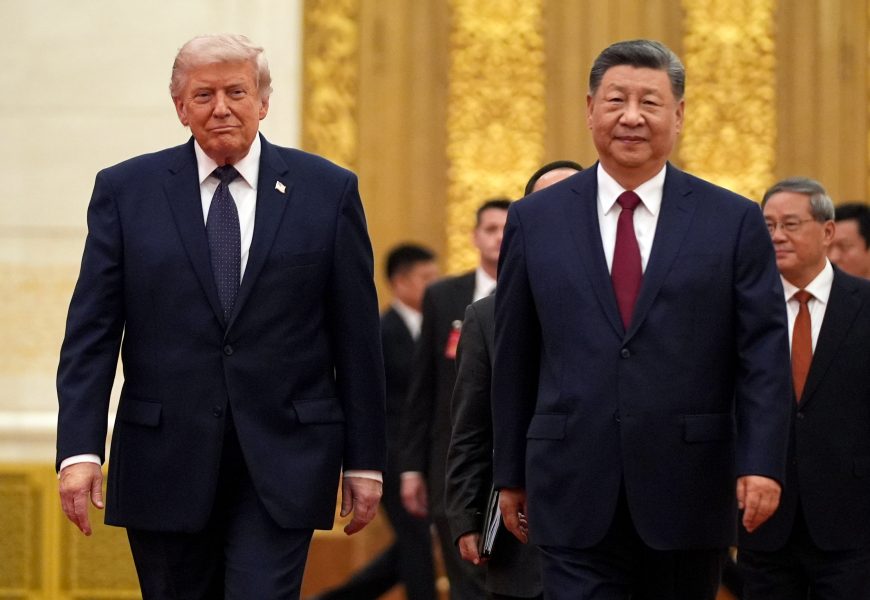
US President Donald Trump has blamed Democrats and Ukraine for rising fuel prices, arguing that refinery shutdowns and attacks on Russian energy infrastructure are contributing more to higher petrol costs than the war involving the United States, Israel and Iran.
Trump Blames Democrats and Ukraine as US Fuel Prices Rise
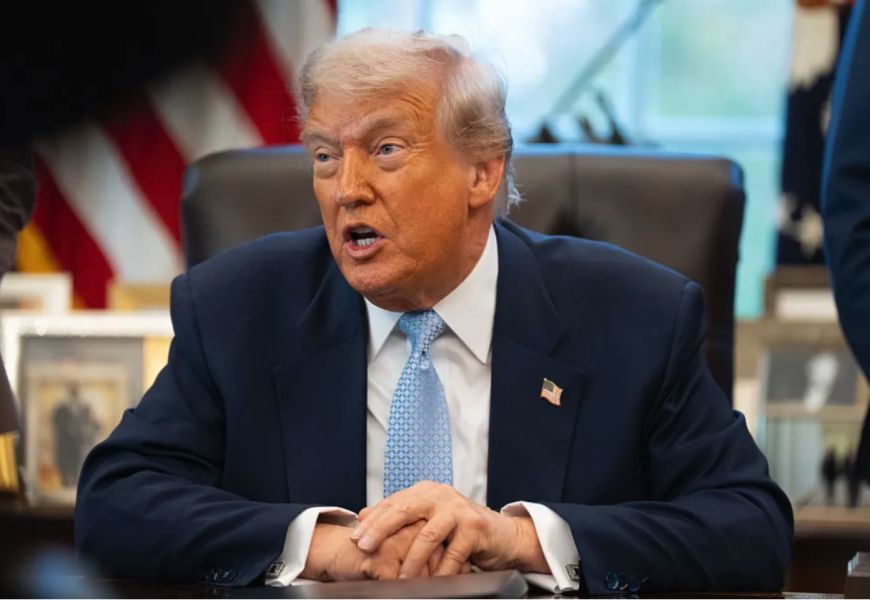
US President Donald Trump has blamed Democrats and Ukraine for rising fuel prices, arguing that refinery shutdowns and attacks on Russian energy infrastructure are contributing more to higher petrol costs than the war involving the United States, Israel and Iran.
With the US midterm elections approaching, Trump has sought to shift responsibility for rising prices away from the conflict in the Middle East.
In a post on Truth Social on Monday, Trump said the Strait of Hormuz was no longer the main factor behind higher petrol prices because large volumes of oil were continuing to leave the region.
Instead, he pointed to refinery disruptions in Russia caused by Ukrainian attacks and refinery closures in Democratic-led US states, including California.
However, oil shipments through the Strait of Hormuz have fallen sharply since the war began, placing significant pressure on global energy supplies.
US petrol prices have continued to increase. The national average stood at about $4.36 per gallon, compared with $4.14 a month earlier and $2.98 on February 28, when the US and Israel launched their initial strikes against Iran.
Energy analysts say several factors are contributing to the increase, with disruptions in the Middle East interacting with problems in the Russian refining sector.
Rachel Ziemba, a senior adjunct fellow at the Center for a New American Security, said the conflicts involving Iran and Russia were reinforcing pressure on oil-product markets.
She said Middle Eastern energy flows remained well below normal, while damage to Russian refineries and potential additional sanctions on companies processing Russian oil were adding to the strain.
The Group of Seven countries agreed on Friday to release 100 million barrels of crude oil and diesel from emergency reserves in an effort to ease pressure on energy markets.
The move came as the US Strategic Petroleum Reserve was at its lowest level since 1982.
Patrick DeHaan, head of petroleum analysis at GasBuddy, said pressure from Washington on European countries to release strategic reserves had contributed to a decline in oil prices and gasoline and diesel futures.
Global pressures
Ukraine's attacks on Russian energy infrastructure have become another source of disruption in global fuel markets, particularly for diesel.
Ukraine's Defence Ministry said on Sunday that more than half of Russia's oil-refining capacity had been disabled as a result of the attacks.
Russia's refining industry has faced growing disruption since the invasion of Ukraine began in 2022. In June, Russian refinery throughput fell to its lowest level in two decades, according to analysis by the International Energy Agency.
The agency also estimated that Russian diesel production had declined by about 30 percent over the previous 18 months.
Trump has separately highlighted refinery closures in Democratic-led California. Two refineries have shut down in the state over the past year, reducing California's refining capacity by about 17 percent and contributing to tighter local fuel supplies.
The political debate over fuel prices comes as both parties prepare for the midterm elections, which could determine control of Congress.
Trump's comments seek to emphasise international and state-level factors behind higher prices. However, polling indicates that many Americans continue to hold the president and his administration responsible for the cost increases.
More Top Stories