°C
 3
Min
A senior Iranian military official has come under criticism after defending his decision to wear a smartwatch, despite longstanding warnings from Iran's security authorities about the potential risks posed by connected devices.
Iranian General's Smartwatch Defence Raises Security Questions
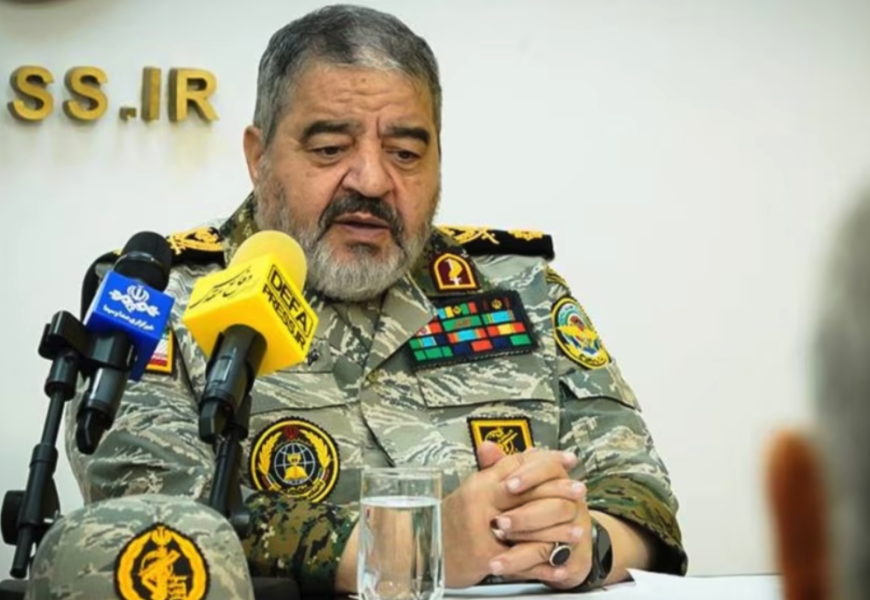
A senior Iranian military official has come under criticism after defending his decision to wear a smartwatch, despite longstanding warnings from Iran's security authorities about the potential risks posed by connected devices.
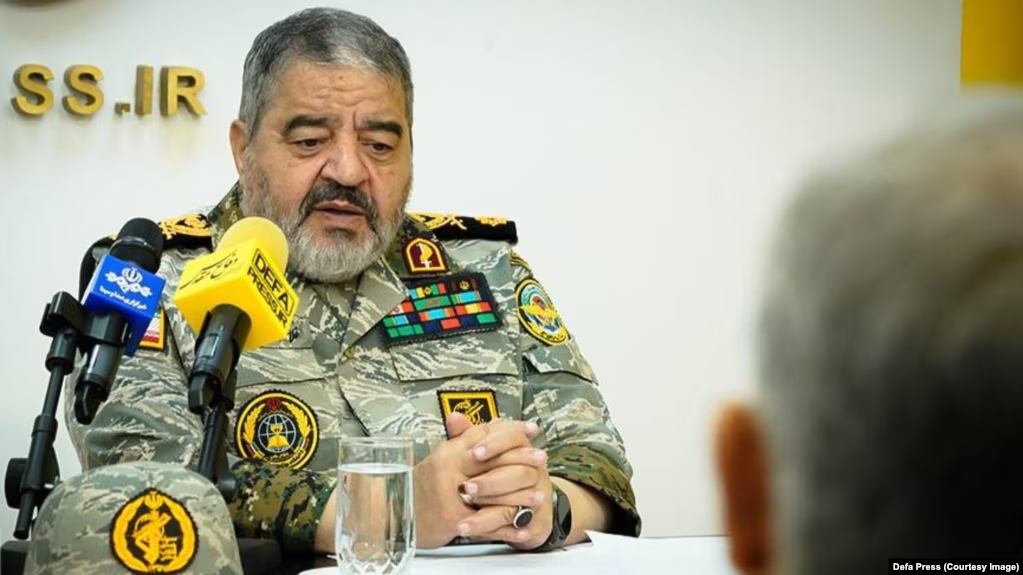
Brigadier General Gholamreza Jalali, head of Iran's Passive Defense Organization, was photographed wearing a smartwatch last week, prompting questions about whether such devices could expose senior officials to surveillance or tracking.
When asked about the security implications, Jalali reportedly responded: "Don't you have a smart TV at home?"
He later dismissed concerns by saying that if Iran were at war, civilian flights would not be operating.
His comments have drawn renewed attention to security practices among Iran's senior military and political leadership, particularly after a series of major security breaches and targeted killings in recent years.
Iran has previously experienced the theft of sensitive nuclear information, the assassination of Hamas political leader Ismail Haniyeh in Tehran in 2024 and other attacks targeting senior figures.
The most serious breach came during the opening phase of the US-Israeli conflict with Iran earlier this year, when Supreme Leader Ayatollah Ali Khamenei and several senior military commanders were killed in initial strikes.
Reports subsequently indicated that Israeli intelligence had gained access to traffic-camera systems and mobile communications networks, allowing it to track Khamenei and senior commanders before the attacks.
Although major US air operations have since subsided, tensions between Iran and its adversaries remain high, with diplomatic efforts yet to produce a formal and lasting end to the conflict.
Against that background, Jalali's use of a network-connected wearable device has attracted particular scrutiny.
Critics have argued that senior officials responsible for national security should face stricter standards than ordinary members of the public when using technology capable of transmitting or storing data.
The criticism has been especially pointed because Jalali's own organisation is responsible for protecting Iran's critical infrastructure and addressing cyber threats and other unconventional security risks.
Iranian media have also highlighted previous statements by Jalali warning officials against using smartphones.
In 2015, he reportedly advised government officials with access to classified information to avoid smartphones for official activities and instead use basic mobile phones because of potential information-security vulnerabilities.
Jalali similarly warned in 2025 that smartphones could expose sensitive information to technology companies and foreign governments, claiming that the devices contained numerous significant vulnerabilities.
Those earlier warnings have led critics to question whether Iran's security policies are being applied consistently by senior officials themselves.
The controversy has also prompted social-media users to circulate photographs appearing to show other senior Iranian military figures wearing smartwatches.
Conservative commentator Ali Qolhaki argued that such behaviour demonstrated a lack of security discipline at the highest levels of Iran's military establishment.
He suggested that the use of connected devices could create opportunities for Iran's adversaries to gather information, particularly for Israel, which Iranian officials regard as one of the country's primary security threats.
The dispute has therefore become more than a debate about one smartwatch, highlighting wider questions about Iran's ability to enforce its own technology-security rules among the officials responsible for national defence.
More Top Stories