°C
 4
Min
More than one million vulnerable people in South Sudan could lose access to life-saving food and nutrition assistance by October unless additional funding is secured, the World Food Programme has warned. The crisis is being compounded by the continued arrival of refugees and returnees fleeing the war in neighbouring Sudan.
South Sudan aid crisis deepens as food stocks run low
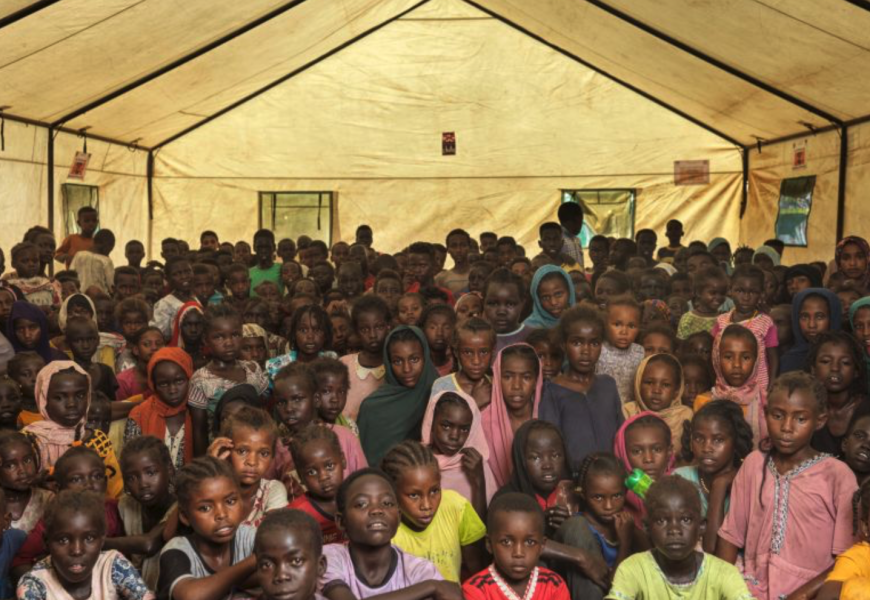
More than one million vulnerable people in South Sudan could lose access to life-saving food and nutrition assistance by October unless additional funding is secured, the World Food Programme has warned.
The crisis is being compounded by the continued arrival of refugees and returnees fleeing the war in neighbouring Sudan, with about 3,000 people crossing into South Sudan each week.
Many arrive exhausted, hungry and carrying little more than basic belongings. At the same time, humanitarian organisations are facing severe funding shortages and dwindling food supplies.
In Malakal, a major humanitarian logistics hub in Upper Nile state, food stocks have fallen from about 10,000 metric tonnes at the same time last year to less than 300 tonnes, according to the WFP.
The agency says the sharp decline comes as humanitarian needs increase while international funding falls.
WFP Assistant Executive Director Matthew Hollingworth recently visited Renk and Malakal in Upper Nile state and Pigi county in Jonglei state to assess the humanitarian situation.
He said the conflict in Sudan had increased pressure on South Sudan by disrupting trade and driving up the cost of imported goods, while the arrival of refugees was placing additional strain on already limited resources.
The crisis is also being worsened by drought, flooding, insecurity and restricted humanitarian access.
Hollingworth said illegal checkpoints were preventing aid organisations from reaching some vulnerable communities, while reduced international funding was making it increasingly difficult to maintain operations.
Border crossings under pressure
Renk, near South Sudan's border with Sudan, has become a major entry point for people fleeing the conflict that began in Sudan in April 2023.
More than 1.4 million refugees and returnees have crossed into South Sudan since the war began, according to the WFP.
Many have endured dangerous journeys involving checkpoints, extortion and violence before reaching the border.
Transit centres in Renk were not designed to accommodate the scale of arrivals they are now receiving. Families can spend months waiting for transport to Malakal or other destinations.
Zainab Musa, a mother of six who recently crossed from Sudan, said she moved to a transit centre seeking assistance after finding little food at the border.
For many arrivals, however, support is becoming increasingly limited.
The WFP and the UN refugee agency warned in August that more than 650,000 refugees and asylum seekers were at risk of losing food assistance. They said food and nutrition support for about 240,000 of the most vulnerable refugees could run out without additional funding.
Displaced communities under strain
The pressures extend well beyond the border.
Malakal has hosted displaced people for years, including almost 40,000 people living across more than 6,000 households at a settlement established at the former Protection of Civilians site.
Basic services are also under threat.
The International Organization for Migration has warned that water, sanitation and hygiene services in Malakal and Bentiu face disruption because of funding shortages. Malakal is also at increased risk of flooding if drainage pumping and protective dyke maintenance cannot be maintained during the rainy season.
For people who have already lost homes, livelihoods and family members, the worsening humanitarian situation is leaving few options.
Najah al-Tayieb al-Fadhul, a Sudanese refugee and mother of four, arrived in South Sudan after her husband was killed during the conflict.
She said she had struggled to find reliable work despite holding a college degree and sometimes earned about $2.50 a day through casual work in a market.
She said hunger, illness and malnutrition were widespread among children and that her own child had a heart condition that she could not afford to treat.
Funding shortfall grows
The WFP says it urgently needs $86 million to maintain its immediate response in South Sudan and faces a further $416 million funding shortfall over the following six months.
The broader food crisis is already severe. About 7.8 million people - more than half of South Sudan's population - are facing high levels of acute food insecurity, while about 2.2 million children are acutely malnourished, according to the WFP.
The agency has also identified a $258 million funding shortfall for its South Sudan emergency response through the remainder of 2026.
Aid agencies warn that without additional funding, vulnerable communities could face further reductions in food assistance at a time when displacement, conflict and climate-related shocks are increasing humanitarian needs.
For refugees arriving from Sudan, crossing the border may provide temporary safety but does not guarantee access to food or basic services.
With supplies running low and funding gaps widening, humanitarian organisations face growing pressure to maintain assistance to millions of people already struggling to survive.
More Top Stories