°C
 5
Min
At least 20 people, including three children, have been killed in Russian strikes on the southeastern Ukrainian city of Zaporizhzhya, while attacks on energy infrastructure have disrupted electricity and water supplies in Kyiv.
At least 20 people, including three children, have been killed in Russian strikes on the southeastern Ukrainian city of Zaporizhzhya, while attacks on energy infrastructure have disrupted electricity and water supplies in Kyiv.

At least 20 people, including three children, have been killed in Russian strikes on the southeastern Ukrainian city of Zaporizhzhya, while attacks on energy infrastructure have disrupted electricity and water supplies in Kyiv.
Ukrainian authorities said the attacks occurred on October 10, as rescue teams continued searching damaged buildings for survivors.
Ukraine's State Emergency Service reported that 20 people had been killed and 18 injured in the morning strike on Zaporizhzhya. Search-and-rescue operations remained underway, with officials warning that additional people could still be trapped beneath the rubble.
A woman was pulled alive from the wreckage of a destroyed building and taken for medical treatment, according to Mykhaylo Semikin, acting head of the regional military administration.
President Volodymyr Zelenskyy had earlier warned that as many as 12 people might remain trapped beneath the debris.
Emergency officials said a Russian aerial bomb had destroyed an entire section of an apartment building, while other buildings and private homes were also damaged.
Zaporizhzhya has faced repeated Russian aerial attacks, with Ukrainian authorities reporting an escalation in strikes over recent months. October 11 was declared a day of mourning in the city.
Zelenskyy condemned the latest attacks, accusing Moscow of deliberately targeting civilians and critical infrastructure to prolong the war.
In a statement posted on social media, he said the strikes demonstrated Russia's intentions to terrorise ordinary people and destroy essential infrastructure.
Separately, Russian attacks on Kyiv injured seven people in the capital's Obolon district, Mayor Vitali Klitschko said. Five victims were hospitalised, including three who were reported to be in serious condition.
Klitschko said a boat station in Obolon had been hit during the attack.
Damage to energy facilities in Kyiv and the surrounding region also left some areas without electricity, according to Ukraine's Energy Ministry. Repair crews were preparing to restore supplies when security conditions permitted.
The damage to an energy facility in the wider Kyiv region had further affected the capital's electricity supply and disrupted water services, Klitschko said. Specialists were working to restore water supplies.
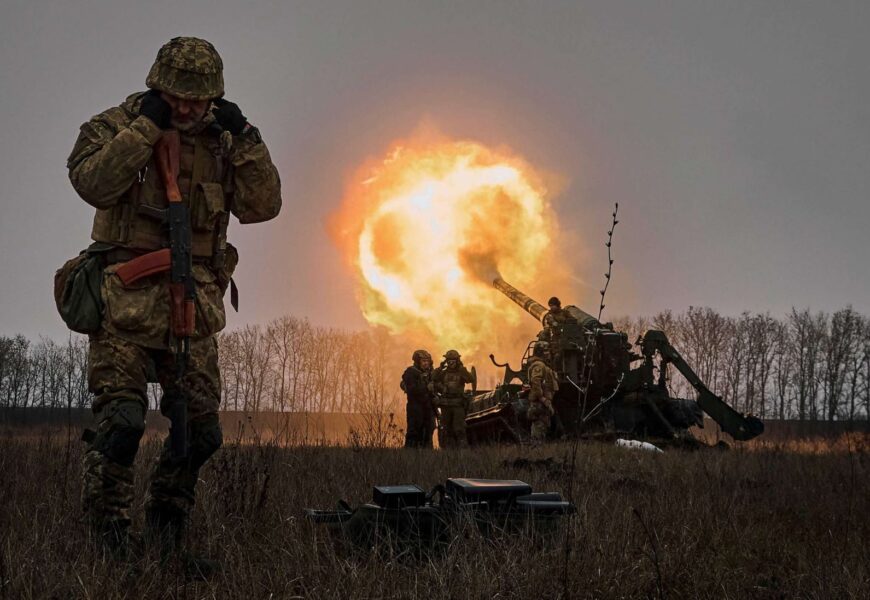
Ukraine's Air Force reported that Russia had launched 160 attack drones overnight, including 110 jet-powered Shahed drones.
By 9am local time, Ukrainian air defences had shot down or suppressed 117 of the drones, including 82 jet-powered aircraft. Authorities reported impacts at 14 locations and falling debris at another 10 sites.
Russia's Defence Ministry said its forces had struck Ukrainian energy facilities supporting the defence industry, drone-production workshops and storage sites. It also claimed that Ukrainian military deployment locations in 151 areas had been targeted over the preceding 24 hours.
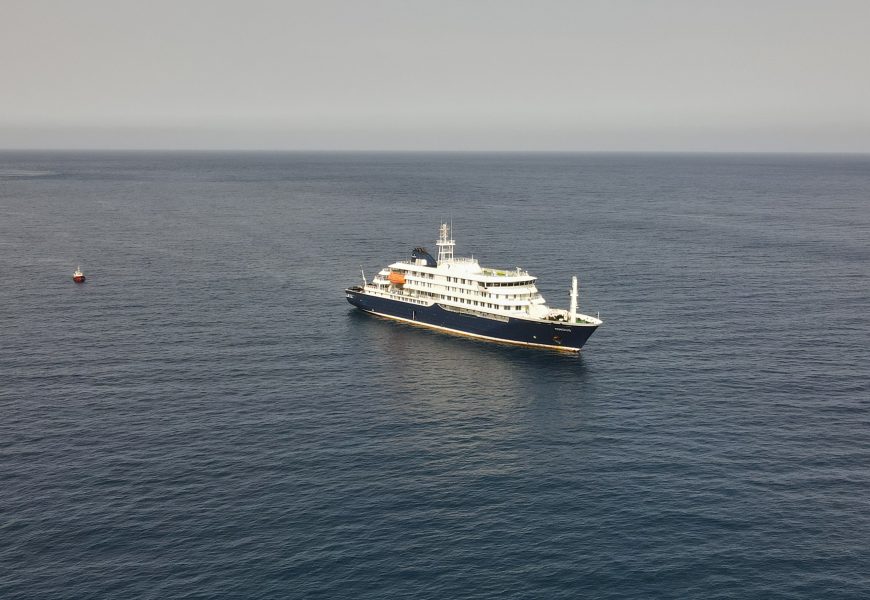
The ministry further claimed that Russian forces had destroyed a bulk carrier at sea that was allegedly transporting military cargo for Ukraine to the port of Odesa. It provided no additional details about the vessel or the circumstances of the reported strike.
The Russian military's claims could not be independently verified.
Meanwhile, Leonid Pasechnik, the Russian-installed leader in occupied Luhansk, said four civilians had been killed and five injured in Ukrainian attacks over the previous 24 hours. Ukraine had not immediately commented on the allegation.
The latest attacks came amid growing diplomatic tensions following US President Donald Trump's announcement that he had reached an agreement with Russian President Vladimir Putin to temporarily ease restrictions on Russian diesel exports.
The arrangement was expected to allow hundreds of thousands of tonnes of fuel to reach international markets.
Zelenskyy criticised the decision, describing it as a gift to Putin and warning that additional revenue from fuel exports could help Russia finance its military campaign.
The Ukrainian president argued that easing economic pressure on Moscow risked encouraging further attacks rather than bringing the conflict closer to an end.
US, Ukrainian and European officials met in Miami on October 9 for discussions aimed at advancing efforts to end Russia's war against Ukraine.
US envoy Steve Witkoff described the talks as constructive. Discussions covered possible measures to de-escalate the conflict before winter, energy security, grain exports, security guarantees and Ukraine's postwar reconstruction.
However, the meeting concluded without a breakthrough.
Germany said on October 10 that it would continue supporting Ukraine and pursuing additional European Union sanctions against Russia despite the diesel agreement between Washington and Moscow.
Government spokesman Stefan Kornelius said Berlin remained committed to existing sanctions and was working with European partners on further measures.
The European Commission also reaffirmed the EU's intention to reduce its dependence on Russian fossil fuels, saying it did not want European energy policy to contribute to financing Moscow's war.
A Commission spokesperson warned of the risks associated with excessive reliance on Russian hydrocarbons and reiterated the need for a ceasefire that would protect food supplies and energy infrastructure in both Ukraine and Russia.
With civilian casualties mounting and essential services disrupted, the latest strikes have added to concerns about the humanitarian consequences of the conflict as Ukraine approaches another winter of war.