°C
 3
Min
Hurricane Isaias has weakened after making landfall along the US Gulf Coast, bringing flooding, damaging winds and widespread power outages to parts of Florida and Alabama.
Hurricane Isaias Weakens After Hitting US Gulf Coast
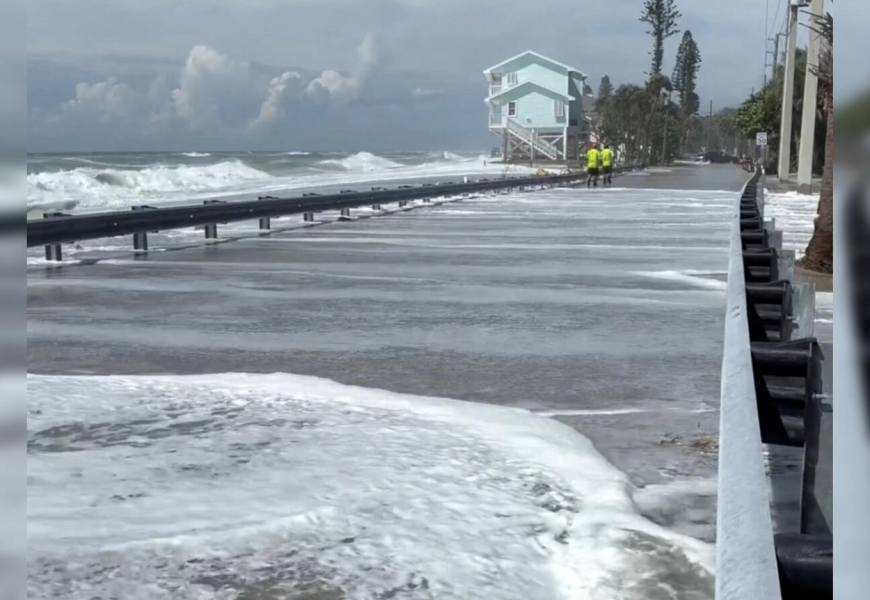
Hurricane Isaias has weakened after making landfall along the US Gulf Coast, bringing flooding, damaging winds and widespread power outages to parts of Florida and Alabama.
More than 664,000 electricity customers across the two states were without power early Saturday after the storm brought down trees and power lines.
The US National Hurricane Center (NHC) said Isaias had weakened into a post-tropical storm as it moved across southern Alabama. At the time of the latest advisory, the system was located about 89 kilometres south-southwest of Montgomery, with maximum sustained winds of approximately 100 kilometres per hour.
Isaias made landfall near Destin, Florida, with maximum sustained winds of 169 kilometres per hour, becoming the first hurricane of the Atlantic season.
Flooding affected roads in Destin, while police in nearby Pensacola urged residents to remain indoors because of debris scattered across roadways.
Although the full extent of the damage remained unclear, residents shared images and videos online showing fallen trees, damaged power lines and other destruction. One video appeared to show the roof being torn from an inn in Pensacola.
Several counties in Florida's Panhandle temporarily suspended emergency response operations on Friday night because of dangerous weather conditions.
In southern Alabama, officials in Mobile reported fallen trees and damaged power lines, while flooding and hazardous conditions forced road closures in Houston County in the southeastern part of the state.
The hurricane centre warned that storm surge could raise water levels by between 0.91 and 1.52 metres along parts of the coast, from Dauphin Island in Alabama to Florida's Aucilla River.
The storm also disrupted air travel, grounding most flights on Friday at several airports. All flights to and from Destin-Fort Walton Beach Airport were suspended.
Emergency services mobilised
Authorities activated emergency response measures across the affected region as residents were urged to shelter in safe locations and remain alert to changing conditions.
US President Donald Trump said the administration was monitoring the hurricane closely, describing the situation as being under control when questioned by reporters outside the White House.
Florida deployed approximately 5,000 National Guard soldiers and airmen to assist with the response, with search-and-rescue teams placed on standby. Some prisons also evacuated inmates as a precaution.
Homeland Security Secretary Markwayne Mullin said emergency declarations had been approved in Florida and Alabama to ensure federal resources were available to support recovery and response operations.
Officials continued to warn residents about the risks posed by flooding, strong winds, debris and potentially dangerous coastal conditions.
Other storms threaten Mexico and the United States
Meanwhile, other tropical systems were bringing additional weather concerns to parts of North America.
Tropical Storm Rachel was forecast to bring strong winds and heavy rain to northern Mexico and Southern California over the weekend.
Hurricane Simon had strengthened into a powerful Category 4 hurricane, with maximum sustained winds reaching 225 kilometres per hour as it moved towards Mexico's Pacific coast.
Forecasters warned that Simon could produce heavy rainfall across southwestern Mexico, particularly in coastal areas of Jalisco and parts of Michoacan, Colima and Nayarit.
The NHC cautioned that the rainfall could trigger life-threatening flooding and mudslides, posing significant risks to communities in vulnerable areas.
Authorities urged residents in the projected impact zones to monitor official weather warnings and follow emergency instructions as the storms continued to develop.
More Top Stories