°C
 4
Min
China has strongly rejected allegations from the United States that leading Chinese artificial intelligence companies have engaged in the large-scale theft of American AI technology. The dispute escalated after three major US federal agencies accused Chinese AI companies of systematically using American AI models to improve their own systems.
China rejects US claims of industrial-scale AI theft
China has strongly rejected allegations from the United States that leading Chinese artificial intelligence companies have engaged in the large-scale theft of American AI technology.
The dispute escalated after three major US federal agencies accused Chinese AI companies of systematically using American AI models to improve their own systems.
The Federal Bureau of Investigation, National Security Agency and Cybersecurity and Infrastructure Security Agency said Chinese companies, including DeepSeek, Alibaba and Moonshot AI, had extracted billions of tokens from US-developed AI models since at least late 2024.
US officials said the activity was likely taking place with the knowledge of the Chinese government.
Tokens are the basic units of information processed by AI systems and can include individual words, parts of words or other pieces of data.
China's Commerce Ministry rejected the accusations on Wednesday, arguing that the United States was using concerns about AI development as a justification for attempting to restrict Chinese technology companies.
The ministry accused Washington of seeking to establish a monopoly over the global AI industry and warned that China would respond if Chinese companies were targeted over their use of AI model distillation.
Distillation is a technique in which a smaller or less advanced AI model learns from the outputs of a more capable model. The practice is widely used throughout the AI industry as companies seek to develop more efficient and specialised systems.
Chinese officials argued that American technology companies also use similar techniques.
US authorities, however, have alleged that the scale and sophistication of the activity involving Chinese companies goes well beyond ordinary AI development practices.
The US advisory said the alleged campaigns were so extensive that model distillation appeared to be a central part of the development strategies of some Chinese AI companies rather than simply a supplementary technique.
China's Foreign Ministry also rejected the accusations, calling on Washington to avoid what it described as unsupported allegations and attempts to damage China's reputation.
Foreign Ministry spokesperson Mao Ning said China's progress in artificial intelligence was based on technological development and self-reliance.
She also called for greater international cooperation on AI, saying development should remain open, inclusive and broadly beneficial.
The latest confrontation comes at a particularly sensitive time in relations between Washington and Beijing.
AI tensions ahead of Xi-Trump summit
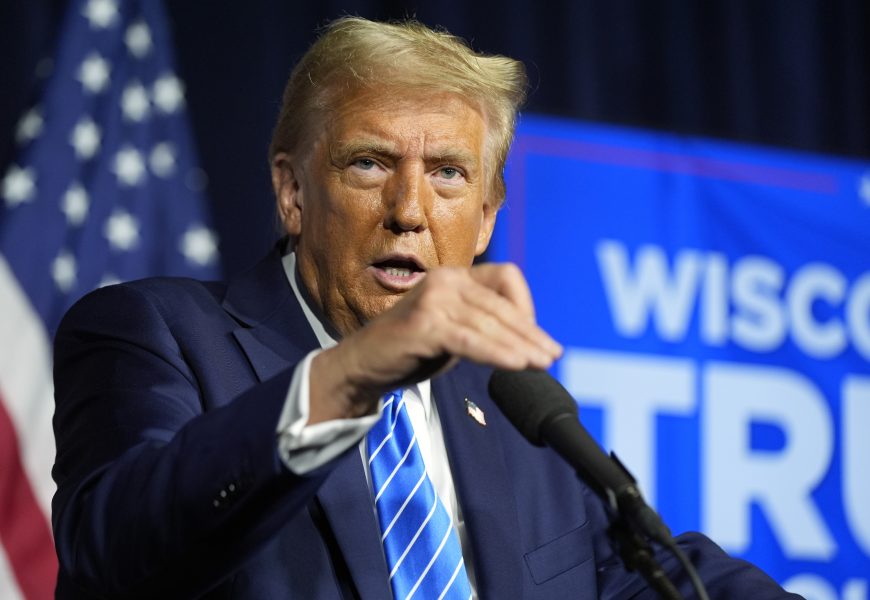
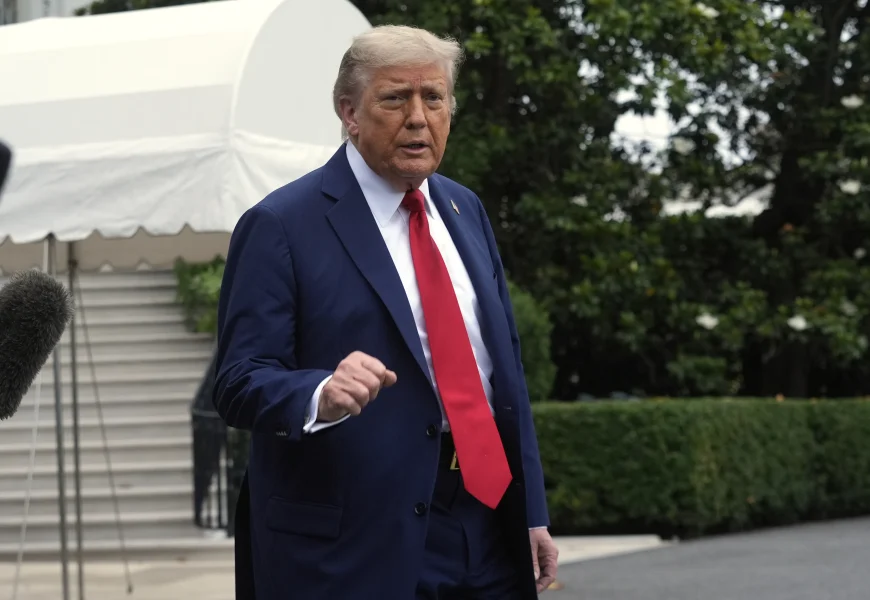
Chinese President Xi Jinping is expected to visit the United States in the coming weeks for talks with US President Donald Trump, with artificial intelligence likely to be among a range of economic and technological issues discussed.
Xi could potentially be accompanied by a sizeable group of Chinese business leaders, although the final composition of any delegation has not been confirmed.
Previous meetings between the two countries have included prominent technology executives. Xi was accompanied by Alibaba founder Jack Ma during his 2015 visit to the United States, while Trump was joined by a group of prominent American business leaders during his visit to Beijing earlier this year.
The United States has increasingly taken a hardline position towards China's development of advanced AI technology under the Trump administration.
China, meanwhile, has invested heavily in artificial intelligence and robotics as Beijing seeks to establish new sources of economic growth and strengthen its technological independence.
The Chinese government has committed hundreds of billions of dollars towards AI and related technologies, reflecting the strategic importance it places on the sector.
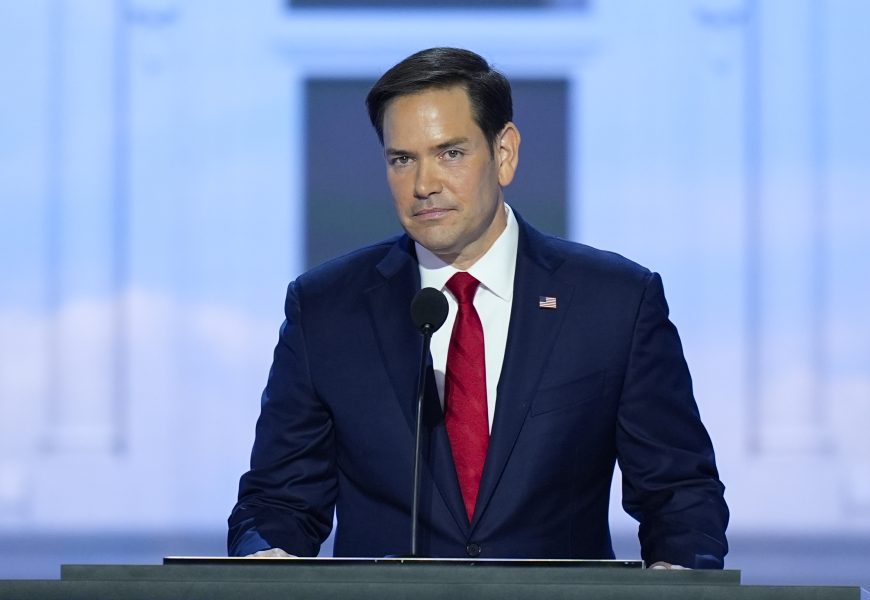
US Treasury Secretary Scott Bessent said on Tuesday that China would not be able to overtake the United States in artificial intelligence.
Speaking in Dallas, Bessent argued that Chinese companies' reliance on distillation of American AI models meant they would remain behind US developers.
The competing claims highlight a widening technology rivalry between the world's two largest economies, with AI increasingly viewed as a critical area of economic, military and strategic competition.
The dispute is likely to add further tension to the upcoming discussions between Trump and Xi, particularly as both governments seek greater control over the development and international use of advanced artificial intelligence.
More Top Stories