°C
 6
Min
US President Donald Trump has announced an agreement with Russian President Vladimir Putin to release additional supplies of Russian diesel to international markets, as soaring fuel prices put pressure on American consumers ahead of November's midterm elections.
Why the US Is Turning to Russia for Diesel Despite Sanctions
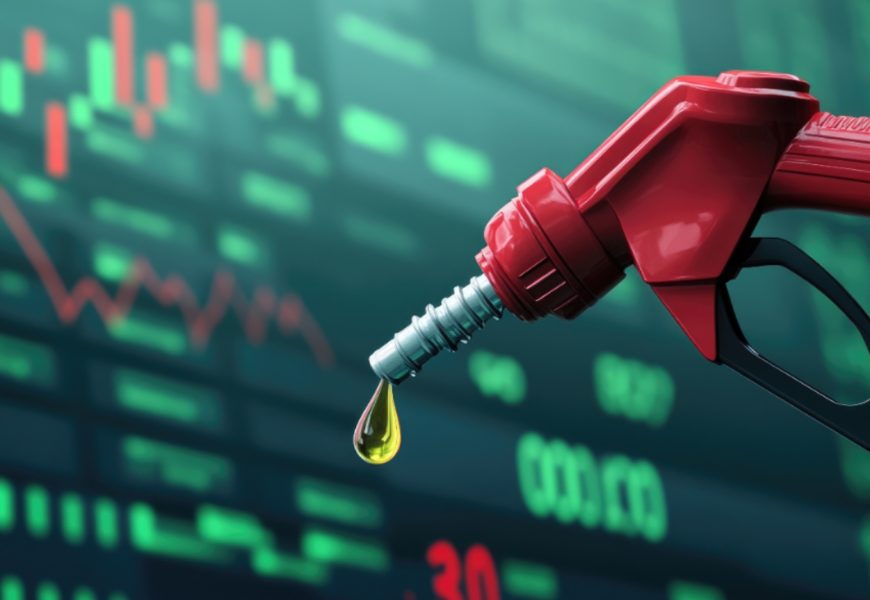
US President Donald Trump has announced an agreement with Russian President Vladimir Putin to release additional supplies of Russian diesel to international markets, as soaring fuel prices put pressure on American consumers ahead of November's midterm elections.
The proposed deal comes despite years of US sanctions against Russia over its invasion of Ukraine and recent measures targeting countries that purchase Russian oil and gas.
However, energy analysts have questioned whether Russia can deliver the promised volumes and warned the agreement is unlikely to significantly reduce global fuel prices.
What does the agreement involve?
Trump said Russia would immediately supply more than 300,000 tonnes of diesel, followed by another 500,000 tonnes in November and a further one million tonnes at a later date.
He also claimed Russia could provide an additional three million tonnes, depending on the condition of its diesel refineries.
Trump argued the additional supplies, alongside US efforts to maintain control of the strategically important Strait of Hormuz, would help lower fuel prices in America and internationally.
He described affordable fuel as a priority for farmers, ranchers and truck drivers, who depend heavily on diesel to operate machinery and transport goods.
Putin confirmed Russia's willingness to supply oil and petroleum products to the US and international markets.
Following Trump's announcement, the US Treasury Department said it would issue a temporary general licence allowing Russian diesel supplies to reach global markets.
Why are diesel prices surging?
The global diesel shortage has been intensified by the conflict involving the United States, Israel and Iran, as well as Russia's ongoing war against Ukraine.
The Strait of Hormuz, through which approximately one-fifth of global oil and gas supplies normally passed before the disruption, has been largely closed since US and Israeli strikes on Iran began in February.
Attacks on Saudi Arabia's East-West Pipeline and security threats around the Red Sea and the Bab al-Mandeb Strait have added to supply disruptions.
Meanwhile, Russian and Ukrainian energy infrastructure, including refineries and port facilities, has come under repeated attack.
The combined impact has depleted fuel inventories and driven diesel prices to record levels in the United States and Europe during September.
Last week, Group of Seven nations agreed to release 100 million barrels of emergency crude oil and fuel reserves in an effort to ease supply pressures. However, economists have warned that drawing on reserves offers only temporary relief unless underlying supply problems are resolved.
How is the crisis affecting Americans?
The average US diesel price reached a record $6.52 per gallon in September before easing to approximately $6.20, according to the American Automobile Association.
Although the United States is the world's largest diesel exporter, domestic inventories have fallen sharply since the Iran conflict began and remain below normal levels despite increased refinery production.
Higher diesel costs affect far more than motorists. Trucking companies face increased transport expenses, farmers pay more to operate machinery, and businesses can pass higher freight and production costs on to consumers.
The pressure is particularly significant for Trump ahead of the November 3 midterm elections, with economic concerns emerging as a major issue for voters.
Many small-business owners and agricultural producers in traditionally Republican-supporting states depend on affordable diesel. Rising fuel costs could therefore become a political liability for the administration.
Trump has previously considered restricting US diesel exports to increase domestic availability. He has also urged Ukrainian President Volodymyr Zelenskyy to stop attacks on Russian fuel infrastructure, arguing that the strikes have contributed to shortages.
What does the deal mean for sanctions against Russia?
The United States banned Russian oil and gas imports in 2022 following Russia's full-scale invasion of Ukraine.
Last month, Trump signed legislation expanding sanctions targeting Russia's energy trade. The measures also gave the president authority to impose tariffs of up to 100 per cent on major purchasers of Russian oil and natural gas.
The temporary licence announced after the diesel agreement creates a potential exception to the broader restrictions.
The move highlights the tension between Washington's efforts to pressure Moscow over the war and its immediate objective of reducing domestic energy costs.
The agreement could also complicate relations with European countries, which have spent years attempting to reduce their dependence on Russian energy supplies.
Can Russia deliver the promised diesel?
Russia faces significant domestic fuel pressures of its own, raising questions about its ability to fulfil the announced commitments without reducing supplies available to its own consumers.
Russian diesel exports have fallen substantially during 2026. Shipping intelligence data cited by maritime analyst Michelle Wiese Bockmann showed exports averaging approximately 190,000 barrels per day in the third quarter, compared with 690,000 barrels per day in the second quarter and 850,000 barrels per day in the first.
Russia introduced diesel export restrictions in July to protect domestic supplies and extended the measures until the end of October.
Ukrainian attacks on Russian refineries, fuel depots and other energy facilities have contributed to the pressure. Ukraine's Defence Ministry has claimed its strikes have destroyed more than half of Russia's oil-refining capacity.
Russia has also experienced unusual supply disruptions, with reports of imports of gasoline, diesel and gas oil despite its historically substantial domestic production.
Deputy Prime Minister Alexander Novak has indicated that Moscow could consider partially lifting export restrictions if production exceeds domestic demand.
Russia's ability to increase shipments may also depend on seasonal requirements, as the country prepares for winter and needs specialised fuel grades suitable for colder conditions.
Former International Energy Agency oil markets chief Neil Atkinson has questioned whether Russia could deliver the announced volumes quickly without worsening shortages at home.
Ukraine criticises the agreement
Trump's announcement came as US representatives Steve Witkoff and Jared Kushner met Ukrainian officials and European negotiators in Miami to discuss efforts to end the war, now in its fifth year.
Zelenskyy criticised the arrangement, describing it as a weak decision by powerful partners.
He argued that easing restrictions on Russian fuel exports would benefit Moscow financially and potentially enable it to continue its military campaign for longer.
The disagreement underscores the competing priorities facing Washington as it attempts to manage the energy crisis while maintaining pressure on Russia over Ukraine.
Will the agreement lower global diesel prices?
Analysts remain doubtful that the proposed shipments will have a substantial or lasting effect on prices.
Chris Beauchamp, chief market analyst at IG Group, described the announcement as a short-term measure, arguing that headline commitments do not guarantee actual deliveries or meaningful changes in market conditions.
Atkinson also questioned the potential impact, noting that the United States consumes approximately 3.7 million barrels of diesel each day. Even if Russia supplies the promised quantities, the additional fuel may be insufficient to materially change prices.
The timing and scale of deliveries remain uncertain, while Russia's domestic shortages could limit the volumes available for export.
European demand is another complication. Governments that have worked to reduce reliance on Russian energy may be reluctant to purchase additional supplies, even if temporary US authorisation permits the trade.
Ultimately, the agreement offers the Trump administration a potential source of additional fuel at a politically sensitive time. However, its effectiveness will depend on whether Russia can deliver the promised volumes, whether buyers are willing to purchase them and whether wider disruptions to global energy supplies begin to ease.
More Top Stories