°C
 5
Min
Iran has warned that oil tankers operating through a US-assisted shipping network near the Strait of Hormuz are becoming increasingly prominent targets, raising fresh concerns about energy supplies, maritime security and the economic consequences of the ongoing war.
Iran Targets US-Backed Oil Shuttle Operations Near Strait of Hormuz
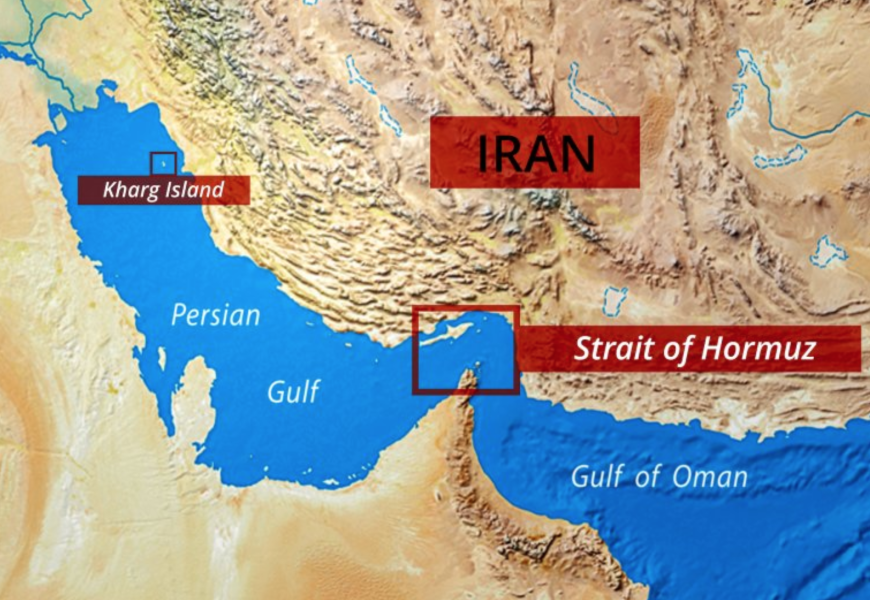
Iran has warned that oil tankers operating through a US-assisted shipping network near the Strait of Hormuz are becoming increasingly prominent targets, raising fresh concerns about energy supplies, maritime security and the economic consequences of the ongoing war.
Iranian officials say the United States and the United Arab Emirates are working together to help Gulf oil producers move crude through alternative shipping routes, bypassing restrictions imposed by Tehran. Iran's Islamic Revolutionary Guard Corps (IRGC) has reportedly intensified attacks on vessels suspected of participating in the operation.
The confrontation is unfolding amid a US naval blockade of Iranian southern ports and tightening sanctions. Tehran has vowed to use military and diplomatic pressure to force Washington to meet its demands, including those linked to reopening the strategic waterway.
Before the conflict began on February 28, approximately one-fifth of the world's oil and gas supplies passed through the Strait of Hormuz. Iranian attacks and the continuing war have severely disrupted commercial shipping through the passage.
However, a US-assisted maritime operation has reportedly enabled some Gulf countries to continue exporting energy through southern routes near Oman.
Iranian security chief Mohsen Rezaei said on Sunday that the operation had become a direct target for Tehran. He alleged that US Central Command, with support from the UAE military, was coordinating transfers between smaller vessels and larger oil tankers.
Rezaei claimed Iranian forces had been striking five or six vessels associated with the operation each night for several weeks. His allegations could not be independently verified.
He also warned that Iran intended to retain control over maritime activity in the strait, suggesting that attacks would continue while the United States maintained its restrictions on Iranian shipping.
Threats extend beyond oil tankers
Rezaei's warning extended beyond commercial shipping to infrastructure associated with US interests in the Gulf region.
He threatened potential action against undersea cables, data centres and artificial intelligence facilities linked to the United States in the UAE and around the Strait of Hormuz. Such threats raise concerns that the conflict could expand beyond energy infrastructure to encompass the region's growing digital economy.
Rezaei also accused Saudi Arabia of assisting American efforts to move oil around Iranian restrictions, although he stopped short of announcing a direct attack against Riyadh.
Iran has previously threatened vessels operating from ports and anchorages in Kuwait and Bahrain, accusing both countries of supporting the United States by hosting its military forces.
Tehran maintains that Washington has accepted some of its seven conditions for ending the war and fully reopening the strait. However, Iranian officials have insisted that an agreement will depend on the acceptance of all their demands.
Hamidreza Azizi, a senior Iran analyst at the International Crisis Group, said Tehran appeared to believe it could continue exerting pressure on the United States because disruptions to the waterway have consequences for the global economy.
Azizi has also questioned whether Iran is underestimating the economic damage the prolonged confrontation is causing within its own borders.
Alternative shipping routes come under pressure
The oil-shuttle operation relies on coordination between very large crude carriers and smaller vessels loading oil at Arab ports. Ships use southern maritime corridors near the Omani coast before transferring cargoes in the Gulf of Oman.
Some vessels reportedly switch off their tracking transponders and travel at night to reduce the risk of detection. Following ship-to-ship transfers, participating vessels may return to Gulf loading areas to collect additional cargo.
Several ships were reportedly targeted between Sunday night and Monday morning, including two tankers travelling out of the region and another vessel anchored near Sohar, an Omani port city associated with alleged ship-to-ship transfer activity.
Other vessels have come under projectile attacks in recent days, suggesting the threat is extending beyond the main strait into surrounding waters.
The IRGC has also warned that naval mines allegedly placed in the waterway could endanger ships attempting to pass without coordinating with an Iranian maritime authority.
Iranian forces claimed three tankers sustained substantial damage after mine strikes over the weekend and released footage of a burning vessel. The available footage did not independently establish that a mine had detonated.
Shipping costs surge as risks increase
The southern corridor has provided Gulf energy producers with an alternative route for moving crude oil despite the disruption to conventional shipping through Hormuz.
Michelle Wiese Bockmann, a senior maritime intelligence analyst at Windward, said the arrangement had demonstrated its effectiveness, with vessels benefiting from access through Omani waters and US military assistance.
However, the expanding attacks threaten to undermine the route's commercial viability.
Windward estimates indicate that at least 15 ships had been targeted during October as of the reporting period. The organisation recorded an average of 31 daily transits through the Strait of Hormuz during the final week of September, compared with 138 before the war.
Of 45 vessels targeted by Iran during the third quarter of 2026, approximately 87 per cent were tankers. Nearly half belonged to national shipping fleets associated with Gulf Arab energy companies, while 93 per cent of the attacks occurred in the strait.
The growing danger has sharply increased transportation expenses. Freight costs that previously represented around 1 to 3 per cent of the cost of Gulf crude have reportedly climbed to between 25 and 30 per cent.
Some national oil companies have responded by offering discounts of as much as US$35 per barrel below official selling prices.
A shortage of tanker operators willing to enter dangerous waters has compounded the problem. An estimated 15 to 20 per cent of very large crude carriers are tied up in the less efficient shuttle-transfer system, reducing the availability of vessels for other routes.
Bockmann warned that the consequences extend well beyond the Gulf, affecting freight rates and commodity values across international shipping markets.
With Iran threatening further attacks and Washington maintaining pressure on Iranian ports, the ability of Gulf producers to sustain oil exports will remain a critical factor in the wider conflict. Any further disruption to the southern corridor could intensify shipping shortages, raise energy transportation costs and add to uncertainty across global markets.
More Top Stories