°C
 3
Min
FIFA president faces renewed pressure over abandoned $4.2 billion World Cup investment plan. FIFA president Gianni Infantino has apologised to members of football's governing council for the controversy surrounding a proposed $4.2 billion private investment plan, but critics say he has failed to provide the answers needed to restore confidence in his leadership.
Infantino apologises to FIFA council but critics demand answers
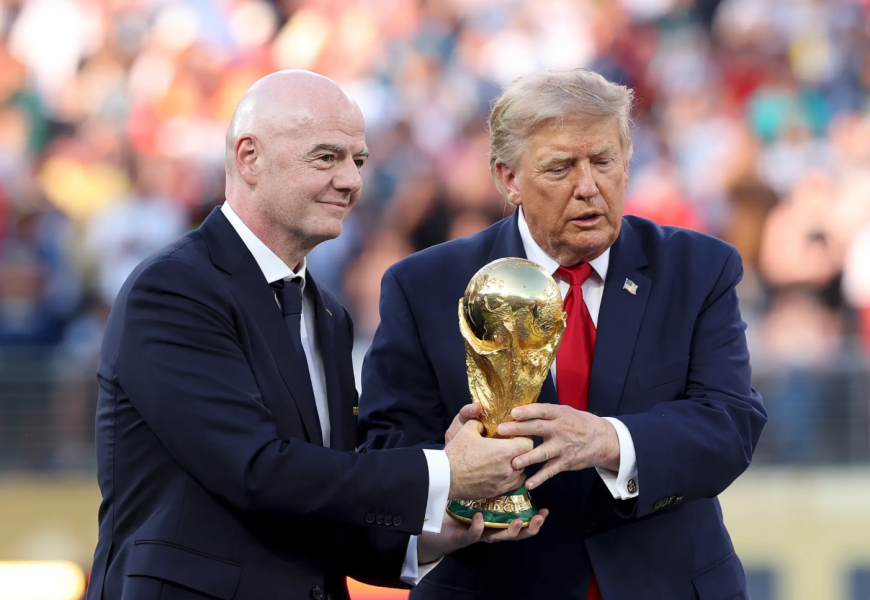
FIFA president faces renewed pressure over abandoned $4.2 billion World Cup investment plan
FIFA president Gianni Infantino has apologised to members of football's governing council for the controversy surrounding a proposed $4.2 billion private investment plan, but critics say he has failed to provide the answers needed to restore confidence in his leadership.
Infantino addressed the FIFA Council during a meeting lasting approximately three and a half hours on Thursday, acknowledging that his handling of the investment proposal had blindsided colleagues and triggered widespread criticism.
However, the meeting produced no new documents or substantive explanations addressing several of the issues that have raised concerns among senior football officials.
Among the unresolved questions is the proposed sale of stakes in a commercial entity intended to manage World Cup-related rights. The plan, which Infantino abandoned in July, had involved venture capitalist Joshua Kushner and threatened to deepen divisions within international football.
Debbie Hewitt, president of England's Football Association and a FIFA vice-president, said European officials had pressed Infantino for written evidence explaining the proposal.
According to Hewitt, Infantino asked those seeking clarification to submit their questions in writing.
"The man has to answer those questions. If he doesn't answer those questions, no, he is not fit to be the FIFA president," Hewitt said after the meeting.
Infantino's apology was acknowledged, but it did little to ease opposition from officials who believe greater transparency is necessary.
German football federation president Bernd Neuendorf said the meeting had failed to deliver satisfactory answers to the concerns raised by European representatives.
"No satisfactory answers were provided," Neuendorf said.
He added that FIFA needed a leader capable of restoring the organisation's reputation and maintaining confidence in its administration.
"We need a person of integrity, someone who can be expected to restore the reputation of the association, which has undoubtedly been lost," he said.
The dispute has intensified divisions between FIFA and European football's governing body, UEFA, which is leading efforts to challenge Infantino's leadership ahead of the FIFA presidential election scheduled for March.
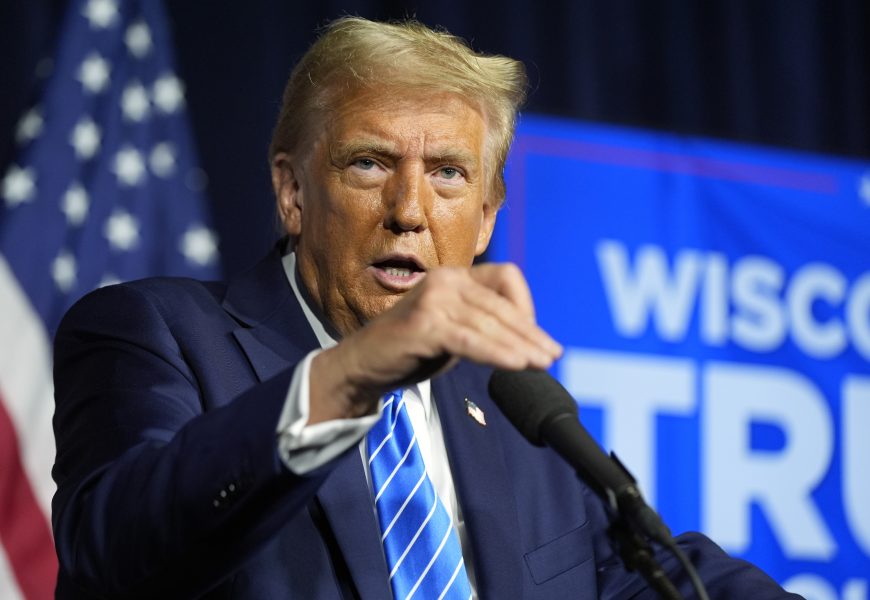
The investment proposal became a major source of controversy after reports revealed that Infantino had pursued the plan with backing from investors led by Kushner, the brother of US President Donald Trump's son-in-law and envoy, Jared Kushner.
Under the proposed arrangement, investors were expected to own at least 20 per cent of the intended subsidiary responsible for commercial rights associated with FIFA tournaments.
UEFA has also sought permission through US court proceedings to obtain evidence for a criminal complaint against Infantino in Switzerland. The filings raise allegations of possible financial mismanagement relating to the valuation of the proposed commercial venture. These remain allegations rather than established findings of wrongdoing.
Further questions concern the handling of a red-card case involving US forward Folarin Balogun during the World Cup and the reported intervention of Trump in support of the American national team. No additional details addressing the matter were provided at Thursday's meeting.
Meanwhile, FIFA is expected to review whether to continue awarding its peace prize, which was established for presentation to Trump in December.
The controversy leaves Infantino facing a difficult period as he approaches the next presidential election. While his apology acknowledged the concerns of fellow council members, European officials have made clear that they want documentary evidence, detailed explanations and greater accountability before reconsidering their position.
More Top Stories