°C
 3
Min
Hurricane Isaias has strengthened into the first hurricane of the Atlantic season and is moving towards the northern US Gulf Coast, where officials are warning of dangerous winds, torrential rain, flooding and storm surges.
Hurricane Isaias Strengthens as US Gulf Coast Braces for Impact

Hurricane Isaias has strengthened into the first hurricane of the Atlantic season and is moving towards the northern US Gulf Coast, where officials are warning of dangerous winds, torrential rain, flooding and storm surges.
The storm is expected to make landfall in parts of the Florida Panhandle, southern Alabama and southern Mississippi late Friday or early Saturday, with low-lying communities considered particularly vulnerable to flooding.
Residents in areas likely to be affected have been urged to complete emergency preparations and take steps to protect lives and property before conditions deteriorate.
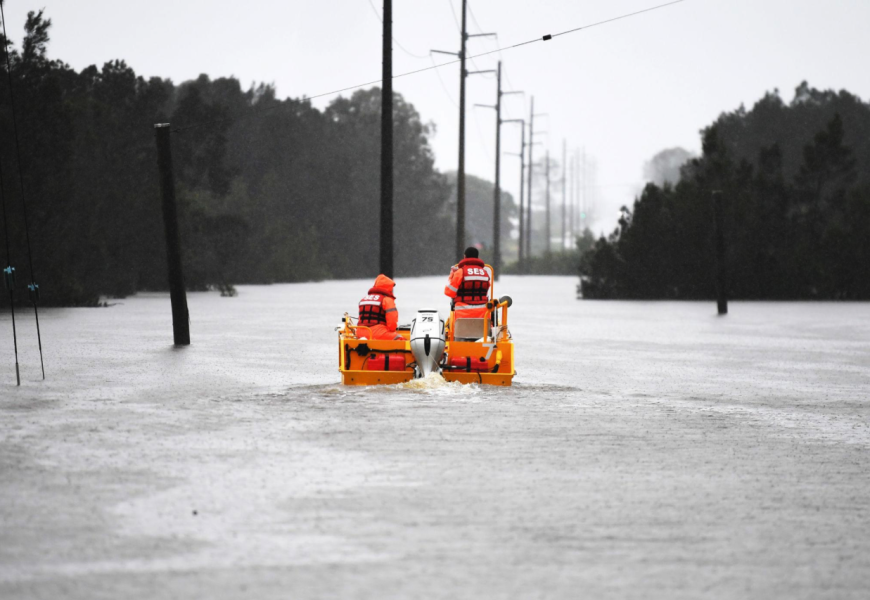
A hurricane watch has been issued from Bay St Louis, Mississippi, to Indian Pass in northwestern Florida as Isaias approaches. Authorities are warning of heavy rainfall, localised flash flooding and flooding in urban areas.
Rainfall totals of between 3 and 6 inches are forecast across affected areas, with isolated locations potentially receiving up to 10 inches.
Forecasters warned that Isaias could reach close to major hurricane strength before making landfall. The storm was already producing maximum sustained winds of about 130km/h, or 80mph, with stronger gusts reported.
The threat is expected to extend well beyond the immediate coastline. Heavy rain and flash flooding could affect inland parts of the southeastern United States throughout the weekend, potentially reaching the Tennessee Valley and areas stretching towards the southern Appalachian Mountains.
The approaching hurricane has also disrupted energy production in the Gulf of Mexico, prompting oil and gas companies to shut down a significant portion of offshore operations.
The region is responsible for almost 15 per cent of annual US crude oil production, making major storms an important concern for energy markets.
About 25 per cent of Gulf oil production had been temporarily suspended by Wednesday, removing approximately 511,000 barrels of crude from the market each day. Several offshore platforms had also been evacuated as a precaution.
Energy analysts said the production cuts could add pressure to already elevated oil prices, although previous hurricanes have caused larger disruptions to Gulf output.
A greater concern is the possibility that Isaias could make landfall as a powerful hurricane near major refining infrastructure, potentially creating further disruptions to fuel supplies.
The storm's development also comes unusually late in the Atlantic hurricane season. When Isaias became a hurricane on Wednesday, it marked one of the latest starts to the season for a first Atlantic hurricane in more than a century.
The Atlantic hurricane season officially runs from June 1 through November 30.
Emergency officials and residents along the northern Gulf Coast are continuing preparations as Isaias moves closer to land, with the potential for dangerous conditions across coastal and inland communities.
More Top Stories