°C
 4
Min
Elon Musk has reportedly spent $366 million supporting Republican candidates and political groups ahead of the United States midterm elections, providing a substantial financial boost to the party as it faces voter concerns over President Donald Trump's popularity and the rising cost of living.
Elon Musk Spends $366m to Boost Republicans Ahead of US Midterms
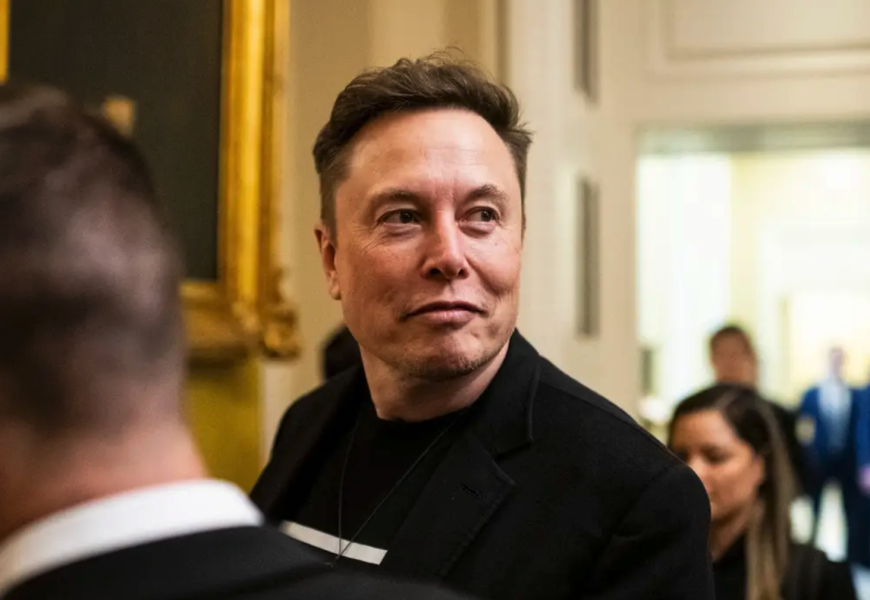
Elon Musk has reportedly spent $366 million supporting Republican candidates and political groups ahead of the United States midterm elections, providing a substantial financial boost to the party as it faces voter concerns over President Donald Trump's popularity and the rising cost of living.
According to a report published by The New York Times on Monday, Musk has spent $276 million since July, including $158 million directed towards a super political action committee supporting Republican Senate candidates. The spending makes the billionaire technology entrepreneur the largest individual political donor of the year, according to the report.
Musk's political action committee, America PAC, confirmed the reported spending figures and defended the scale of its financial commitment, arguing that the funding was necessary to help Republicans retain control of Congress.
"These robust investments have allowed the GOP apparatus to get its message out so Republicans can have a fighting chance to defy history," America PAC spokesman Andrew Romeo told The New York Times.
Musk is a prominent ally of Trump and served as a special government adviser to the White House last year. His latest political spending comes as Republican candidates seek to overcome declining approval ratings for the president and growing dissatisfaction among voters over household expenses and economic conditions.
Democrats are hoping to turn that discontent into electoral gains and regain control of Congress. Republicans currently hold majorities in both the House of Representatives and the Senate, making the November 3 midterm elections a critical test of the administration's political standing.
The growing role of wealthy donors in American elections has attracted sustained criticism, with opponents arguing that large financial contributions allow powerful individuals and corporate interests to exert disproportionate influence over the political process.
Musk, who became the world's first trillionaire in June following the initial public offering of his aerospace company SpaceX on the Nasdaq stock exchange, has previously indicated that he intended to reduce his involvement in American politics.
In May, he said he had "done enough" and did not intend to pursue major political spending efforts. However, his latest contributions suggest he remains a significant financial force in Republican politics.
His political activities have also extended beyond the United States. In Germany, politicians previously accused Musk of attempting to influence the country's national election through his public support for the Alternative for Germany party. The party has faced criticism over its positions on immigration and other issues.
Republicans also have a substantial financial advantage through other pro-Trump political organisations. MAGA Inc, a super PAC aligned with the president's Make America Great Again movement, reportedly held $416 million in funds as of August.
The political advertising tracking organisation AdImpact reported that MAGA Inc had spent $22 million in the preceding month alone on the closely contested race for an open Senate seat in Texas.
Trump has intensified his campaign activities in the lead-up to the election, holding a series of rallies to encourage Republican supporters and reinforce the party's political message.
Despite the Republicans' financial advantage, Democrats believe voter dissatisfaction could outweigh the benefits of extensive campaign spending.
Lauren French, a spokesperson for the Democrats' Senate Majority PAC, accused Republicans of attempting to use their financial resources to compensate for weaknesses among their candidates and the administration.
"Republicans are hoping to buy these elections, injecting tens of millions into races to try and outrun their unpopular candidates, unpopular president and unpopular economy," French said.
The November 3 elections will determine control of Congress alongside numerous state and local contests. The outcome will shape the remainder of Trump's presidency and determine how much legislative power Republicans or Democrats can exercise in Washington.
With Musk and other wealthy donors committing substantial sums to Republican causes, campaign financing is emerging as a major feature of the contest. However, whether that financial firepower can overcome economic concerns and voter dissatisfaction remains uncertain.
More Top Stories