°C
 4
Min
The United States government has suspended several major technology companies, including Microsoft and Adobe, from a visa programme that provides skilled foreign workers with a pathway towards permanent residency, amid allegations of fraud and abuse.
US Suspends Microsoft and Adobe From Visa Programme Amid Fraud Claims
The United States government has suspended several major technology companies, including Microsoft and Adobe, from a visa programme that provides skilled foreign workers with a pathway towards permanent residency, amid allegations of fraud and abuse.
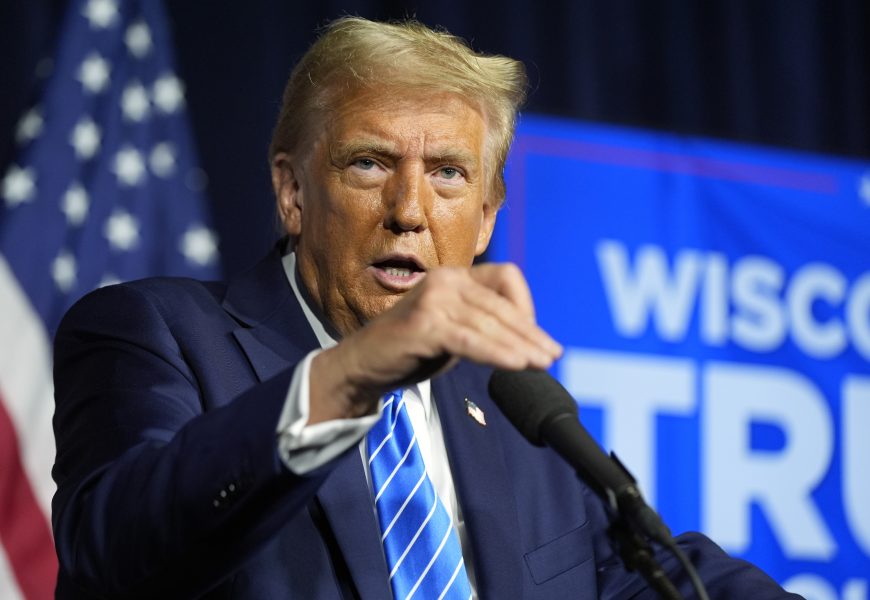
The move comes as the administration of President Donald Trump increases pressure on major companies to employ more American workers and reduce reliance on foreign labour.
US Vice President JD Vance said Microsoft needed to do more to hire Americans.
"Our message to Microsoft is: You're a great American company, but you've got to hire great American workers," Vance said at a news conference.
Vance claimed Microsoft had laid off about 6,000 American workers while obtaining 6,300 H-1B foreign work visas and nearly 3,000 permanent residencies, commonly known as green cards.
"You cannot lay off American workers and replace them with foreign indentured servants," he said.
Vance also criticised the structure of the H-1B system, arguing that workers sponsored by a company can become heavily dependent on their employer because losing their job can jeopardise their ability to remain in the United States.
Microsoft disputed the figures and characterisation of its visa applications.
The company said about 80 per cent of the visas in question involved extending or changing the status of existing Microsoft employees.
The remaining applications were for people who were already legally residing in the United States and subsequently joined Microsoft, the company said. Those workers represented about 1 per cent of its US workforce and were not new arrivals to the country.
Microsoft is ranked fifth among US employers in terms of H-1B visa usage, according to US Citizenship and Immigration Services data. Amazon ranks first.
US Labor Secretary Keith Sonderling said several major information technology companies would be suspended from the programme, including Indian technology companies Infosys and Tata Consultancy Services.
The H-1B programme has faced longstanding criticism from supporters of Trump, who argue that it can be used to replace American workers with lower-cost foreign employees.
The programme is intended to provide visas for highly skilled positions where employers have difficulty finding qualified US workers. Technology companies are among its largest users, while workers from India account for nearly three-quarters of H-1B approvals.
The Department of Labor said its investigation had also uncovered what it described as $22 billion in visa fraud.
"Today we are protecting something far more valuable than any dollar amount. We are protecting the American worker," Sonderling said.
The announcement came just hours before Trump was scheduled to present Microsoft chief executive Satya Nadella with the National Medal of Technology and Innovation.
Nadella, who was born in India, was among six business leaders receiving the award. Five of the recipients were born outside the United States, including Tesla chief executive Elon Musk and Google co-founder Sergey Brin.
Universities Targeted
US officials also announced a crackdown on alleged J-1 visa fraud involving nine universities, including Massachusetts Institute of Technology, Harvard University, Yale University, Stanford University and California State University.
The administration accused the institutions of using international students and researchers to reduce labour costs and undercut US wages.
J-1 visas allow foreign nationals to temporarily enter the United States for educational and cultural exchange programmes. Universities commonly use the visa category for international PhD candidates, researchers and scholars.
Vance claimed that universities could pay an American researcher about $20,000 more than a person brought into the country under a J-1 visa.
The broader crackdown reflects the administration's effort to tighten controls over employment-based immigration while prioritising the hiring of American workers.
Microsoft shares fell about 1.5 per cent following the announcement, while Adobe shares were up about 2.1 per cent in late trading on Thursday.
More Top Stories