Home Top Politics Business Sports Technology Entertainment Life/Style Health/Science Photos Videos Travel

Estimated reading time 4 minutes 4 Min

The Australian suburbs where property values have more than doubled in five years
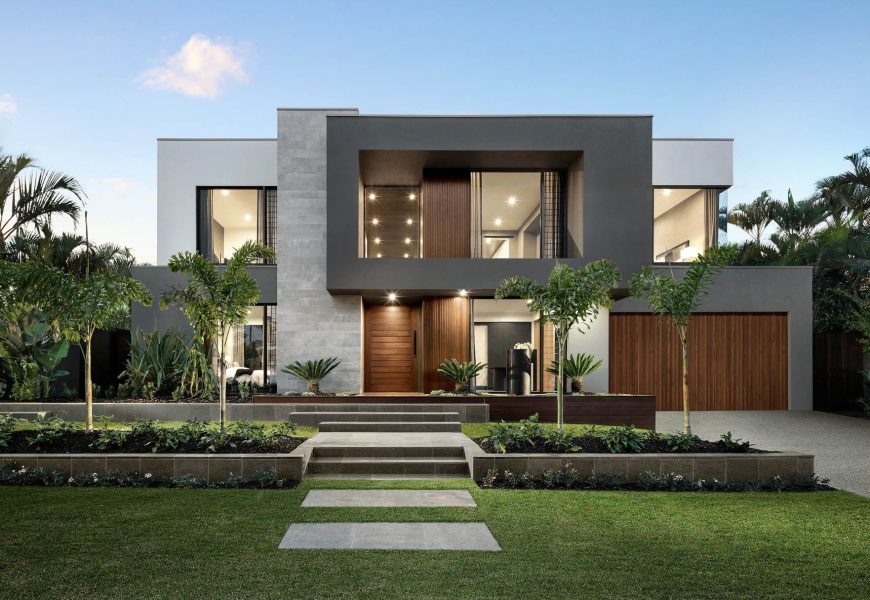
Nearly 200 suburbs across Australia have seen house prices surge by more than 100 per cent in the past five years, with new data showing demand shifting towards more affordable regional and outer-city areas. Queensland dominates the list, with 93 suburbs recording price growth of at least 100 per cent, according to Domain's latest house price report.

1 December 2025
1 December 2025

Nearly 200 suburbs across Australia have seen house prices surge by more than 100 per cent in the past five years, with new data showing demand shifting towards more affordable regional and outer-city areas. Queensland dominates the list, with 93 suburbs recording price growth of at least 100 per cent, according to Domain's latest house price report.

One of the most dramatic rises occurred in Davoren Park in Adelaide's north, where property values have climbed nearly 200 per cent since 2019. Once considered one of the city's most disadvantaged suburbs, it now leads the nation in price growth.

South Australia and Queensland lead the surge

While Queensland recorded the highest number of suburbs that doubled in value, the steepest increases were found in South Australia, where six of the nine suburbs with more than 150 per cent growth are located.

Domain senior economist Joel Bowman described the trend as "remarkable".
"I think it'd be hard to characterise South Australia as affordable now," he said. "It's actually more expensive to buy a home in Adelaide than in Melbourne."

The City of Playford in Adelaide's north recorded significant increases across ten suburbs. Davoren Park topped the list with 192.5 per cent growth, followed closely by Elizabeth East (175.3 per cent), Elizabeth Park (167 per cent), Elizabeth Downs (165.2 per cent) and Elizabeth Vale (157.1 per cent). Hackham West in Onkaparinga also posted strong growth at 152.8 per cent.

Western Australia has also seen rapid gains, with 45 suburbs doubling in value. The regions of Swan, northeast of Perth, and Rockingham to the southwest recorded the highest concentration of growth.

Queensland's Jacobs Well recorded one of the strongest annual increases at 39.6 per cent, contributing to a 141.4 per cent jump over five years.

Affordability draws buyers to once-overlooked areas

Across the country, the fastest-growing suburbs tend to be those that were traditionally more affordable. Bowman said relative affordability continues to drive buyers towards outer-metropolitan and regional pockets.

"Particularly in Queensland, Western Australia and South Australia, the areas with the biggest growth are those where prices were well below their state's median," he said.

He also pointed to Colebee in Sydney's Blacktown region, where values have climbed more than 180 per cent in five years.

But while property owners are benefiting from soaring values, aspiring buyers and renters face a worsening affordability crisis.

Housing affordability continues to deteriorate

Research from real estate analytics firm Cotality (formerly CoreLogic) shows housing affordability has deteriorated nationwide. Head of research Eliza Owen said first-home buyers were feeling the impact most.

"There's a real mismatch between income growth and property price growth," Owen said. "It reflects a structural shift in who can access the market."

Domain's figures highlight the widening gap: Davoren Park's median house price has reached $555,000, compared with a median weekly household income of just $1,161. Similar gaps are now evident in many suburbs across the country.

Bowman said the surge in prices brings mixed outcomes.
"There are winners and losers," he said. "Renters and people looking to purchase will unfortunately encounter much higher prices."
He noted that Melbourne may become a more affordable option as prices there stabilise.
"During the pandemic, many people left Melbourne, but as the city has become relatively cheaper, we're starting to see that trend reverse," he said.

What's driving the boom?

Bowman said the shift towards "lifestyle migration", which accelerated during the rise of remote work, has played a major role. More people began favouring regional and coastal areas where homes were cheaper and lifestyle was prioritised.

"The move to remote working really boosted regional markets," he said. "More than eighty of the highest-growth suburbs were outside capital city inner rings."

Tight rental markets have also pushed prices higher. Population growth in these areas has driven vacancy rates to record lows, placing further pressure on both rents and property prices.

Prices expected to keep climbing

Looking ahead, Bowman expects prices to continue rising.
"We're anticipating around 6 per cent growth in house prices," he said.

Low interest rates and an expanded First Home Buyer guarantee are expected to support more buyers entering the market, particularly in lower-priced suburbs.

"Overall, we've seen extraordinary growth driven by lifestyle changes, remote work, affordability pressures and heightened competition," Bowman said. "With the impact of the guarantee scheme, we're likely to see ongoing improvement in entry-level markets."

More Top Stories