

 °C
 4
Min
Russia has rejected reports that a second person in Siberia may have contracted pneumonic plague, while the World Health Organization (WHO) has urged Moscow to provide further information about the reported cases. Kremlin spokesperson Dmitry Peskov said on Wednesday that much of the media coverage surrounding the situation was inaccurate.
Russia Rejects Reports of Second Suspected Plague Case
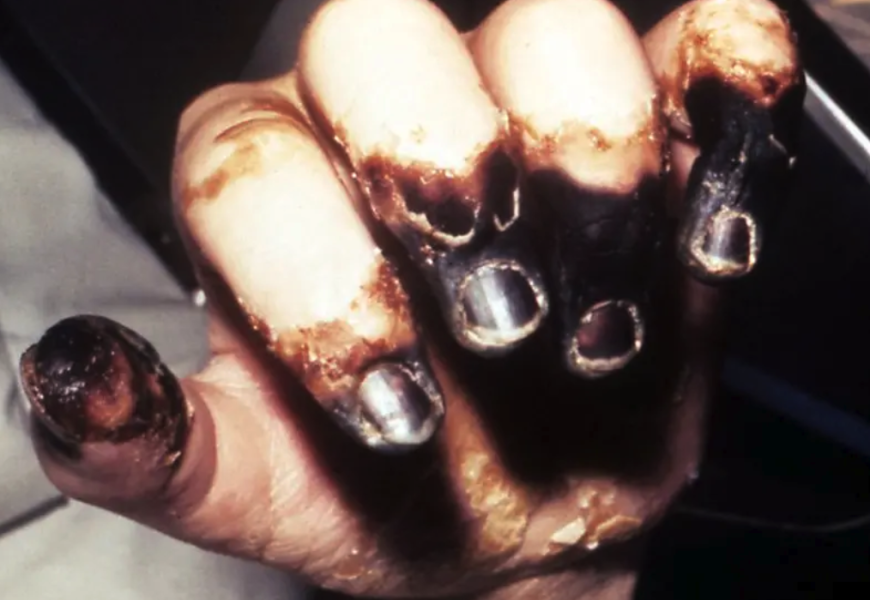
Russia has rejected reports that a second person in Siberia may have contracted pneumonic plague, while the World Health Organization (WHO) has urged Moscow to provide further information about the reported cases.
Kremlin spokesperson Dmitry Peskov said on Wednesday that much of the media coverage surrounding the situation was inaccurate.
"The vast majority of what the media is reporting regarding this situation is false information," Peskov told reporters when asked about reports of a second suspected case.
He said information about any suspected infections should come from official statements issued by Russia's health regulator, Rospotrebnadzor.
The reports emerged after a 28-year-old woman working at a plague research institute in Siberia's Irkutsk region died following a diagnosis of pneumonia of unknown cause.
Russian authorities have said no infections were detected among staff at the institute following her death. However, the unexplained nature of the illness has prompted concern internationally about whether the case could be connected to plague.
The United States, European Union and WHO have all called for greater transparency from Russian authorities.
US President Donald Trump said on Wednesday that Washington did not believe the illness was the result of a biological weapon.
Asked whether the infection could have been linked to a bioweapon, Trump said: "We do not think so."
He said Russian authorities had indicated the situation was under control, while noting that Moscow had not released extensive information.
Trump also confirmed that he had spoken with Russian President Vladimir Putin and said the two governments were engaged in "very deep discussions". He indicated that further information could be available soon.
WHO seeks answers
WHO Director-General Tedros Adhanom Ghebreyesus said the organisation had received reports from two media outlets, including one Russian source, concerning a second employee at the Irkutsk institute who was reportedly suffering from pneumonia of undetermined cause.
"We asked Russia to respond to that," Tedros said during a briefing.
He said the WHO could not disregard reports that could have implications for public health and was seeking clarification from Russian authorities.
WHO Director of Epidemic and Pandemic Management Maria Van Kerkhove said the organisation still did not know the cause of the illness that led to the death of the first suspected case.
"We don't understand how she was infected," Van Kerkhove said.
She said the WHO needed information from Russia in a timely and regular manner, including answers to questions already submitted to authorities.
US assesses risk as extremely low
The US Centers for Disease Control and Prevention (CDC) has described the risk to the United States from the suspected pneumonic plague case as "extremely low".
CDC Director Erica Schwartz said US authorities were working with the departments of Homeland Security, State and Defense, as well as other agencies, to monitor developments and people travelling from the affected region.
She said the CDC maintains a health station at John F. Kennedy International Airport in New York that can screen travellers arriving from the Siberian region.
A US Department of Health and Human Services spokesperson said about 200 people travel from the Siberian region to the United States each year.
Direct flights between Russia and the United States have been suspended since the start of the war in Ukraine in 2022.
Schwartz said US agencies were assessing the situation as more information became available.
"At this time, there is no indication of a broader threat to the United States," the CDC said in a separate statement, adding that it and its government partners would continue to monitor developments closely.
The agency said it was aware of reports concerning a suspected pneumonic plague case in Russia's Irkutsk region that resulted in a death and was working across the US government to assess any emerging risks.
More Top Stories
















