°C
 4
Min
The completion of Paramount Skydance's takeover of Warner Bros Discovery has brought major US news organisations CNN and CBS News under the same corporate ownership, prompting renewed concerns about editorial independence and media freedom.
Paramount-Warner Merger Raises Press Freedom Concerns
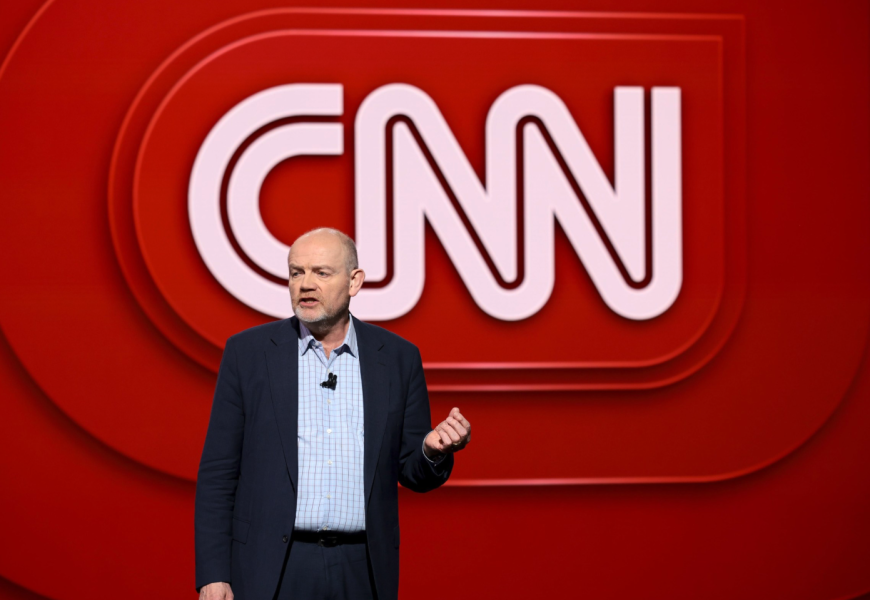
The completion of Paramount Skydance's takeover of Warner Bros Discovery has brought major US news organisations CNN and CBS News under the same corporate ownership, prompting renewed concerns about editorial independence and media freedom.
The deal, valued at about $110 billion including debt, combines two of Hollywood's largest entertainment companies following months of legal challenges from state attorneys general, unions and other critics.
The newly formed Skydance Corporation will control a major portfolio of entertainment brands, including HBO, CBS, Nickelodeon, Showtime, Comedy Central, DC Studios and Food Network, as well as the Paramount+ and HBO Max streaming services.
However, the inclusion of CNN and CBS News has attracted particular attention because of the potential influence that corporate ownership could have over two of the United States' most prominent news organisations.
Skydance chairman and chief executive David Ellison has pledged to protect the editorial independence of both networks.
His father, Oracle co-founder Larry Ellison, is a major financial backer of the transaction and has previously provided financial support to US President Donald Trump and Israel.
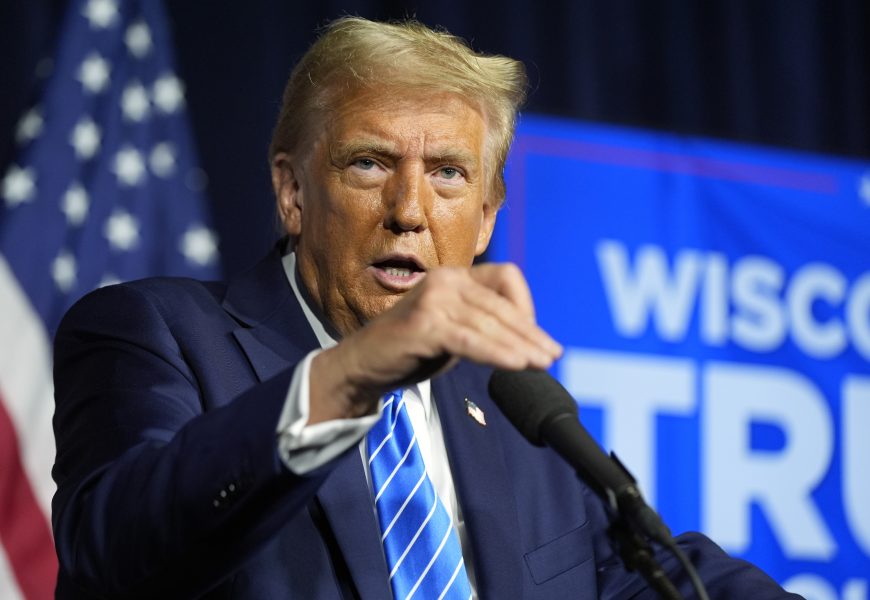
Trump welcomed the takeover when asked about it, saying the people involved were "terrific" and predicting it would become "a great company".
Why was the takeover challenged?
The transaction faced opposition from Hollywood workers, politicians and state prosecutors who argued that further consolidation would increase corporate control over an industry already dominated by a relatively small number of major companies.
Netflix had initially reached an agreement involving part of Warner Bros Discovery before Paramount entered the competition with a rival offer, triggering a bidding contest.
A coalition of 12 state attorneys general, led by California, subsequently filed a lawsuit seeking to block the transaction. The states argued that the deal could reduce competition and contribute to higher prices.
The Writers Guild of America also mounted a separate legal challenge.
Both cases were settled in September after Paramount agreed to commitments involving film production, assistance for displaced workers and safeguards intended to protect the editorial independence of its news organisations.
Those commitments included the creation of a new editorial independence board.
Criticism of the takeover nevertheless continued.
Actor and activist Mark Ruffalo argued that the merger could harm creative industries, weaken free speech and result in job losses.
Democratic Senator Elizabeth Warren also raised concerns about the deal in the context of tensions between the Trump administration and news organisations.
Her comments followed efforts by the administration to restrict access to the White House for some media organisations, including CNN.
Can an editorial board protect CNN and CBS?
Under the settlement, Skydance must establish a five-member News Editorial Independence Board within 180 days of completing the takeover.
The board is expected to include current or former journalists with at least 10 years of professional experience. Its responsibilities will include setting editorial principles and addressing disputes between the news organisations and corporate management.
Critics, however, have questioned how independent the board can be.
Its members will be appointed by and report to Skydance's board of directors, which is chaired by Ellison. The agreement also allows two members of the board to belong to the same political party and does not require the board to make its findings public.
Those provisions have prompted concerns about whether the body will have sufficient independence or transparency to effectively oversee corporate management.
Seth Stern, chief of advocacy at the Freedom of the Press Foundation, criticised the arrangement, arguing that an editorial board appointed by the company could struggle to provide meaningful protection for journalists.
He also questioned whether government involvement in enforcing the settlement could create separate concerns under the First Amendment, which protects freedom of speech and freedom of the press in the United States.
Ellison has rejected concerns about editorial interference and said CNN and CBS News would remain "completely editorially independent".
There have also been signs of continuity within both organisations.
Skydance announced that Mark Thompson would remain chairman and editor-in-chief of CNN, while Bari Weiss would continue as editor-in-chief of CBS News.
The decisions appeared to ease earlier speculation that Weiss could immediately take responsibility for both news organisations.
The central question now is whether the new corporate structure and its editorial safeguards will provide sufficient protection for independent journalism, particularly as CNN and CBS News operate under a company with significant political and business interests.
More Top Stories