°C
 3
Min
Shipping traffic through the strategically vital Strait of Hormuz declined sharply last week, even as a senior United States official insisted the waterway remains fully open and under US Navy control. Data from commodities and shipping analytics firm Kpler showed that the number of vessels transiting the strait fell by 28 percent to 77 last week.
Hormuz shipping traffic drops as US says waterway remains fully open
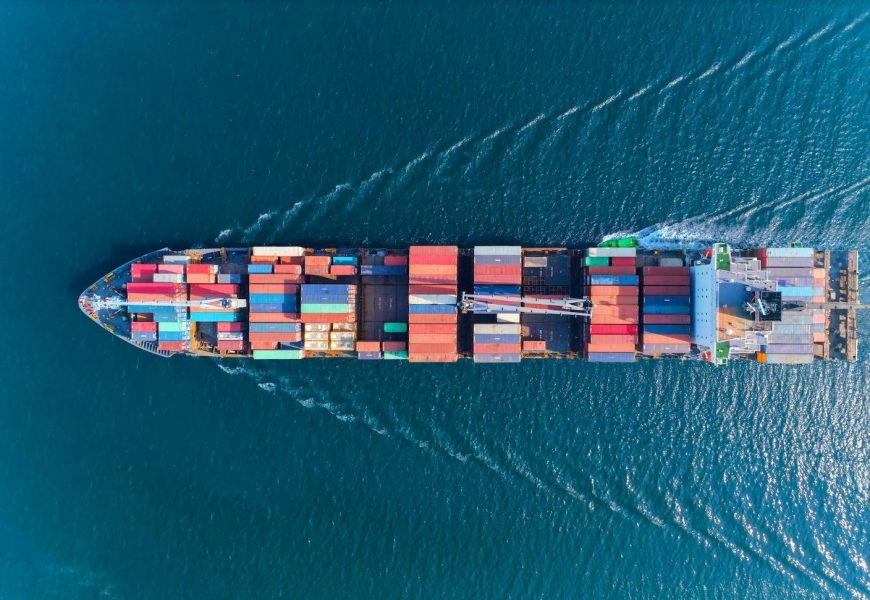
Shipping traffic through the strategically vital Strait of Hormuz declined sharply last week, even as a senior United States official insisted the waterway remains fully open and under US Navy control.
Data from commodities and shipping analytics firm Kpler showed that the number of vessels transiting the strait fell by 28 percent to 77 last week.
The decline was particularly pronounced among ships carrying cargo. The number of loaded vessels dropped from 45 to 33, according to Kpler.
The figures come amid heightened security concerns surrounding the waterway, a crucial global energy route through which large volumes of oil and natural gas are transported.
Despite the fall in traffic, a senior US official said Washington considers the strait to be fully open and under the control of the US Navy. The official also said the United States remains satisfied with the current flow of oil and gas through the waterway.
However, shipping patterns indicate that vessels are increasingly turning to an alternative routing system operated by Iran.
Kpler said that between September 4 and September 6, 21 of the 28 vessels that passed through the strait used Iran's unilateral routing system instead of the standard shipping lanes. On the final day of that period, seven of the eight vessels making the crossing followed the Iranian-directed route.
The shift suggests that concerns over security and navigation are beginning to influence shipping decisions beyond individual vessels taking additional precautions.
Kpler said the combination of declining cargo movements and increased use of Iran-managed routing could indicate that the disruption caused by regional tensions is starting to affect wider trade flows through the Gulf.
The Strait of Hormuz connects the Persian Gulf with the Gulf of Oman and is one of the world's most important maritime chokepoints for energy supplies. Any sustained disruption or slowdown in traffic through the waterway could have wider implications for global oil and gas markets.
Kpler said the key question now is whether the shipping pattern recorded towards the end of last week represents a temporary reaction to heightened tensions or develops into a longer-term change in maritime traffic.
The developments have also fuelled debate among Gulf states about their reliance on external security guarantees.
A Qatari Foreign Ministry official said the conflict involving Iran had highlighted the need for Gulf countries to develop greater security independence, arguing that strategic partnerships with the United States alone could not guarantee their safety.
The official said greater "self-sufficiency" was required as regional states reassess their security arrangements amid continuing tensions.
More Top Stories