Home Top Politics Business Sports Technology Entertainment Life/Style Health/Science Photos Videos Travel

Estimated reading time 3 minutes 3 Min

Historic first: Victoria signs inaugural treaty with Aboriginal people
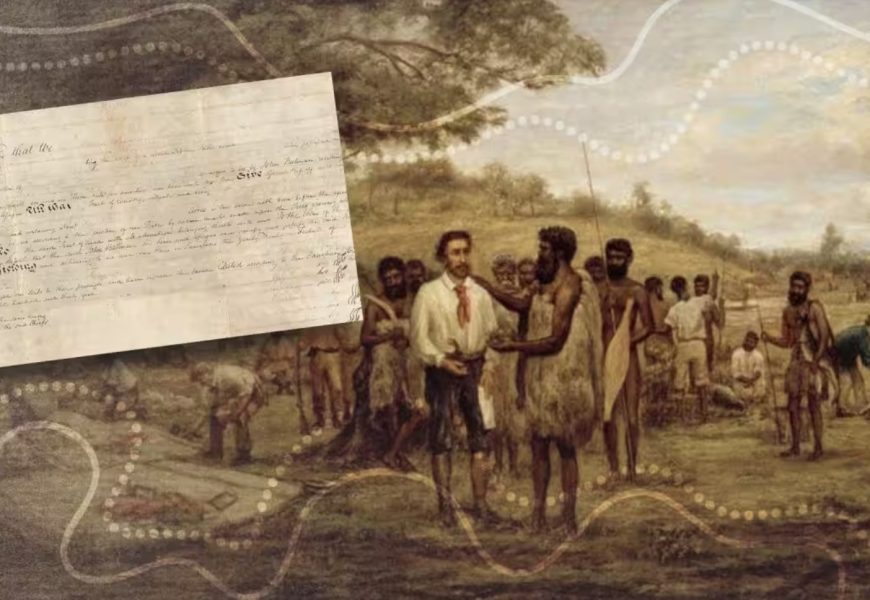
Victoria has formally signed and enshrined in law its first-ever treaty with Aboriginal people - a landmark moment following nearly a decade of negotiation and consultation.

12 November 2025
12 November 2025

Victoria has formally signed and enshrined in law its first-ever treaty with Aboriginal people - a landmark moment following nearly a decade of negotiation and consultation.

The agreement, hailed by the United Nations as "historic," marks the country's first modern treaty with Indigenous Australians. It positions Victoria as the first jurisdiction to formally recognise and reset its relationship with First Peoples through a legally binding accord.

While similar treaties have long existed in other former British colonies such as New Zealand and Canada, Australia has until now remained an exception. The absence of treaties has stood as a stark reminder of the historical denial of First Peoples' rights and sovereignty.

A long journey to treaty

The Victorian treaty was signed by the co-chairs of the state's elected First Peoples' Assembly, alongside the Premier and the Minister for Treaty. Legislation supporting the agreement passed the Victorian Parliament last month and was formally enacted today when it received the Governor's signature, cementing the treaty as law.

The milestone follows almost ten years of design, consultation, and negotiation between the government and Indigenous leaders. It aims to "reset" the relationship between Victoria and its Aboriginal communities, acknowledging past injustices and setting out concrete steps to improve outcomes for Aboriginal Victorians.

Backed by state funding, the treaty will establish an independent Aboriginal authority governed by elected Aboriginal representatives. It also includes new truth-telling and accountability mechanisms, set to begin next year.

The contents of the treaty

The 34-page document outlines the shared commitments agreed upon by the Victorian Government and the First Peoples' Assembly. It begins by affirming the deep and continuing connection of Aboriginal people to their lands:

"This Country was never empty, never unclaimed. The fiction of 'land belonging to no one' ignored those already here."

The treaty draws on evidence from Victoria's Yoorrook Justice Commission - the state's formal truth-telling inquiry - which documented acts of genocide, widespread massacres, cultural destruction, child removals, and economic exclusion since colonisation.

"Within two decades of colonisation, the [Victorian] population of First Peoples had reduced by nearly 90 per cent," the treaty states.

It acknowledges the state's responsibility to recognise and carry the "weight of this history" while committing to redress the ongoing impacts of colonisation:

"It is a rare thing for a government to admit it was wrong - rarer still to commit, in plain words and enduring actions, to making it right. Yet that is what this moment asks. That is what this moment makes possible - a moment we claim together."

The path ahead

Under Victoria's treaty framework, further agreements may be negotiated with individual Traditional Owner groups in the future.

Other Australian jurisdictions, including New South Wales and South Australia, have signalled their intent to pursue treaties, though similar processes have been halted or reversed in Queensland, the Northern Territory, and Tasmania.

In Victoria, the treaty has the backing of the Labor Government. However, the state's Liberal Opposition has vowed to scrap the agreement if it wins next year's election.

More Top Stories