

 °C
 5
Min
Christa Pike has been discharged from hospital and returned to a Tennessee women's prison after surviving an attempted execution by lethal injection, her lawyers have confirmed. The 50-year-old was taken to hospital on September 30 after officials administered two doses of the execution drug pentobarbital.
Christa Pike Returns to Tennessee Prison After Failed Execution
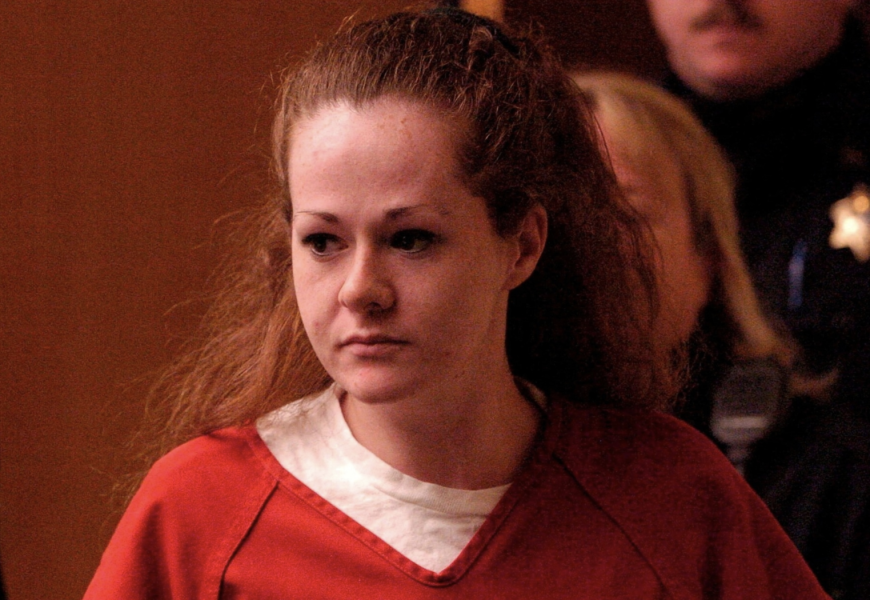
Christa Pike has been discharged from hospital and returned to a Tennessee women's prison after surviving an attempted execution by lethal injection, her lawyers have confirmed.
The 50-year-old was taken to hospital on September 30 after officials administered two doses of the execution drug pentobarbital. She had remained under medical care since the failed procedure.
Pike has now returned to the Deborah K. Johnson Rehabilitation Center, where she has been imprisoned for approximately 30 years.
Her lawyers said she was continuing to receive medical treatment in prison and that they would closely monitor her recovery. They also thanked the first responders and medical professionals involved in treating her.
Pike was sentenced to death for the 1995 murder of her classmate, Colleen Slemmer, who was beaten and stabbed.
The failed execution has renewed scrutiny of the United States' use of capital punishment, raising questions about execution procedures and the risks associated with lethal injection.
The controversy comes as another proposed execution has prompted widespread criticism. US military authorities have announced plans to livestream the execution of Nidal Malik Hasan, a former army psychiatrist convicted of killing 13 people at Fort Hood, Texas, in 2009.
Hasan's execution is scheduled for December 3.
US Defence Secretary Pete Hegseth announced the livestream proposal on Thursday, drawing condemnation from lawmakers and other public figures, including some supporters of the death penalty.
Vice President JD Vance questioned on Friday whether the livestream would proceed, adding that he would not watch it. Republican Senator Thom Tillis of North Carolina described the proposal as "beyond disgusting" in a social media post.
Archbishop Paul S Coakley, president of the US Conference of Catholic Bishops, also criticised the plan, describing it as a "barbaric promotion of a culture of death".
Despite the controversy surrounding Pike's failed execution, Republican lawmakers in Tennessee have shown little indication of reconsidering the state's use of the death penalty.
Instead, some legislators have discussed alternative execution methods, including the electric chair and firing squads.
Public support for capital punishment in the United States has declined from its peak during the 1990s. Since Pike was sentenced in 1996, 10 states have abolished the death penalty, although executions continue across the country.
Thirty people have been executed in the United States so far this year, with eight additional executions scheduled, most of them in Texas and Florida.
A Pew Research Center poll conducted in July found that approximately two-thirds of American adults considered the death penalty morally justified for people convicted of murder.
However, the survey also revealed significant concerns about its effectiveness and reliability. Around six in 10 respondents said capital punishment did not deter crime, while approximately seven in 10 believed there was at least some risk of an innocent person being executed.
Pike's survival following the attempted lethal injection has added another dimension to the ongoing debate over execution methods, the reliability of capital punishment and the ethical questions surrounding the state's authority to carry out death sentences.
More Top Stories
















