°C
 3
Min
Canada has begun imposing retaliatory tariffs on almost $20 billion worth of goods imported from the United States, deepening a trade dispute between the two North American neighbours. The new measures, which range from 15 percent to 50 percent, target hundreds of American-made products.
Canada Imposes Retaliatory Tariffs on $20bn of US Imports
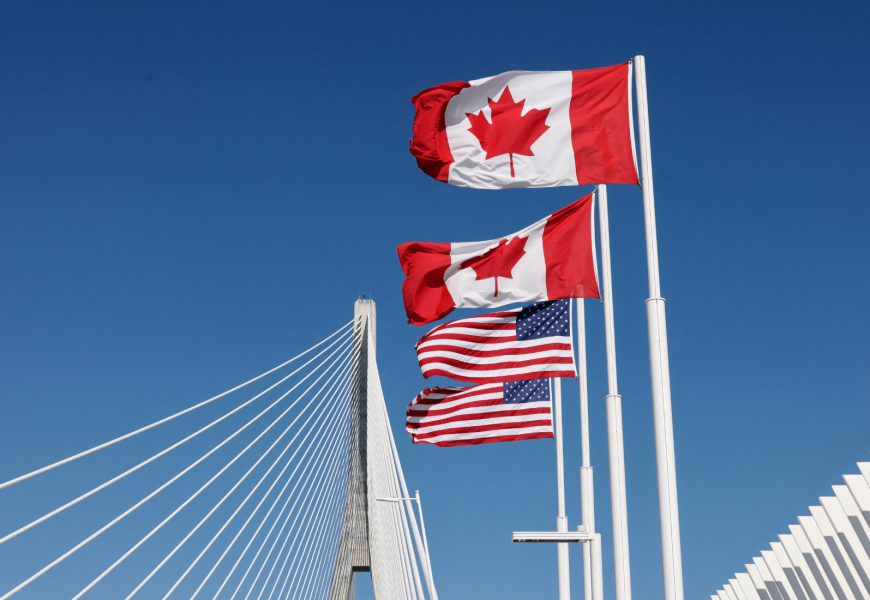
Canada has begun imposing retaliatory tariffs on almost $20 billion worth of goods imported from the United States, deepening a trade dispute between the two North American neighbours.
The new measures, which range from 15 percent to 50 percent, target hundreds of American-made products and are designed to mirror tariffs imposed by Washington on Canadian exports.
The Canadian tariffs cover a wide range of goods, including steel, household appliances, agricultural machinery, dairy products and other consumer items.
Prime Minister Mark Carney said the measures were necessary to protect Canadian businesses and workers from the impact of US trade restrictions.
"Canada will match Washington's new tariffs dollar for dollar in order to protect Canadian workers, farmers, families, and businesses," Carney said in late August.
US President Donald Trump announced 50 percent tariffs on some Canadian goods in July, arguing that American products were being subjected to unfair treatment in Canada.
The move triggered a renewed effort by the two governments to negotiate a trade agreement. Canadian and US officials held discussions throughout August, but the talks failed to produce a final deal before a deadline set by Trump.
Trump responded angrily to Canada's decision to impose counter-tariffs, declaring on his Truth Social account that Canada wanted "the benefits of being a State" without actually becoming one.
The Canadian government said its retaliatory measures cover more than 700 products. Ottawa has also announced a support package worth approximately $5.42 billion to assist small and medium-sized businesses and workers affected by the trade conflict.
Tensions between the two countries have continued to rise beyond the tariff dispute.
On the eve of Canada's latest tariff measures taking effect, Trump threatened to prevent Canadian aircraft manufacturer Bombardier from selling planes in the United States unless the company moved production into the US.
The dispute has also spilled into symbolic areas. Trump last month signed an executive order referring to Lake Ontario as "Lake America" for US federal purposes, adding another point of friction between the two countries.
Economists and industry groups have warned that the escalating trade measures could impose significant costs on businesses on both sides of the border.
Canada is the largest foreign market for US-manufactured automobiles, meaning American carmakers could face additional financial pressure as Canadian tariffs increase the cost of US vehicles and related products entering the country.
US consumers may also face higher prices for hundreds of Canadian products if the trade measures remain in place.
Research from the Kiel Institute for the World Economy has estimated that US importers and consumers bear the overwhelming majority of tariff costs, with approximately 96 percent of the burden ultimately absorbed in the United States.
The latest measures mark another escalation in the economic relationship between Canada and the US, with businesses and consumers now facing greater uncertainty as both governments weigh their next moves.
More Top Stories