°C
 4
Min
Twenty-five years after Afghanistan was used as a base for the September 11, 2001, attacks, concerns are growing over whether the country could once again become a staging ground for international terrorism. The Taliban’s return to power has coincided with reports that Al-Qaeda members have re-established a presence in Afghanistan.
Afghanistan Again Raises Fears Of A Global Terror Threat
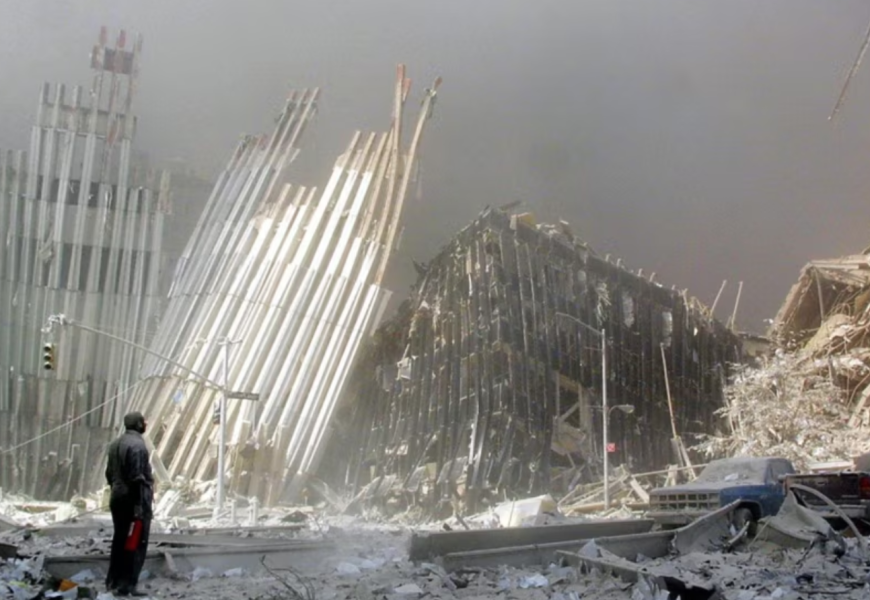
Twenty-five years after Afghanistan was used as a base for the September 11, 2001, attacks, concerns are growing over whether the country could once again become a staging ground for international terrorism.
The Taliban's return to power following the withdrawal of US and allied forces in 2021 has coincided with reports that Al-Qaeda members have re-established a presence in Afghanistan.
However, there has so far been no major terrorist attack in a Western capital publicly linked to planning from Afghanistan on anything approaching the scale of the September 11 attacks.
Security and intelligence experts remain divided over what that means for the future.
Some argue Afghanistan today is fundamentally different from the country that provided Al-Qaeda with a safe haven before 9/11. Others warn that the presence of Al-Qaeda and other militant groups creates a potentially serious long-term threat.
After the September 11 attacks, the United States backed an alliance of Afghan forces opposed to the Taliban, while targeting Al-Qaeda's leadership. What followed was a 20-year military campaign that cost thousands of lives and imposed enormous financial and political costs.
In 2020, during Donald Trump's first term as US president, the United States and Taliban reached an agreement that paved the way for the withdrawal of international forces.
The Taliban pledged not to allow Al-Qaeda or other individuals and groups to use Afghan territory to threaten the United States or its allies. The agreement also included commitments against recruiting, training and fundraising for such organisations.
The withdrawal was completed in 2021 under President Joe Biden, and the Taliban rapidly regained control of the country.
Al-Qaeda's Continued Presence
Since then, United Nations monitoring reports have repeatedly documented the presence of Al-Qaeda members in Afghanistan.
A UN report issued in December 2025 described Afghanistan as the group's "symbolic homeland" and highlighted close personal relationships between members of Al-Qaeda and the Taliban.
Former US diplomat Annie Pforzheimer said Afghanistan had effectively returned to a situation resembling the period before 9/11.
She warned that the country was already providing shelter to militants with international ambitions, raising questions over whether those ambitions could eventually translate into attacks beyond Afghanistan's borders.
Former US national security adviser General H.R. McMaster has expressed similar concerns, arguing that expectations the Taliban would fully honour its commitments regarding terrorism were unrealistic.
Al-Qaeda is also not the only militant organisation operating in Afghanistan.
UN assessments have reported cooperation between Al-Qaeda and Tehrik-e Taliban Pakistan, which has been involved in attacks across the border in Pakistan. Islamic State militants are also active in Afghanistan and have conducted attacks in both Afghanistan and Pakistan.
Colin Clarke, executive director of the Soufan Center, has described the combination of militant organisations operating in the country as a potentially dangerous mix.
A Changed Afghanistan?
Other analysts caution against drawing direct comparisons with the years immediately preceding 9/11.
The Taliban has sought greater international engagement since returning to power, including diplomatic contacts with foreign governments and international organisations. Russia has also recognised the Taliban government as Afghanistan's legitimate government.
The Taliban's international outreach remains controversial, particularly because of its restrictions on women and continuing concerns over human rights.
Jonathan Schroden, chief research officer at CNA, said one important difference was that the Taliban leadership had experienced the consequences of the September 11 attacks and the subsequent US-led invasion.
He argued that this experience may have encouraged the Taliban to monitor Al-Qaeda more closely than it did before 2001.
Schroden also pointed to a broader shift in the international terrorism threat, saying some of the most active Al-Qaeda-affiliated organisations are now operating in Africa.
Carter Malkasian, a former US military adviser who has studied the conflict in Afghanistan, has similarly argued that the absence of major internationally directed terrorist attacks since the Taliban's return to power suggests the situation has changed.
At the same time, he acknowledged that US intelligence capabilities in Afghanistan are considerably weaker than they were before the withdrawal.
That lack of intelligence creates another possibility: terrorist planning could be taking place without the United States being aware of it.
The last known US strike against a senior Al-Qaeda figure in Afghanistan occurred in 2022, when an American drone operation killed Al-Qaeda leader Ayman al-Zawahri in Kabul.
Schroden said the absence of further US strikes could indicate either that Washington has limited intelligence about militant activity in Afghanistan or that there are fewer high-value targets than in the past.
For now, Afghanistan remains a country where militant groups operate under Taliban rule, but whether that environment develops into a renewed international terrorism threat remains uncertain.
Twenty-five years after 9/11, the question is no longer simply whether Afghanistan can provide a safe haven for extremist organisations, but whether those organisations have the capability, freedom and intention to use it as a base for attacks beyond the region.
More Top Stories