°C
 3
Min
The World Health Organization has warned that repeated delays in the delivery of medicines, prosthetics and other essential medical supplies into Gaza could have "devastating consequences" for Palestinians in urgent need of treatment.
WHO warns delayed Gaza aid could have devastating consequences
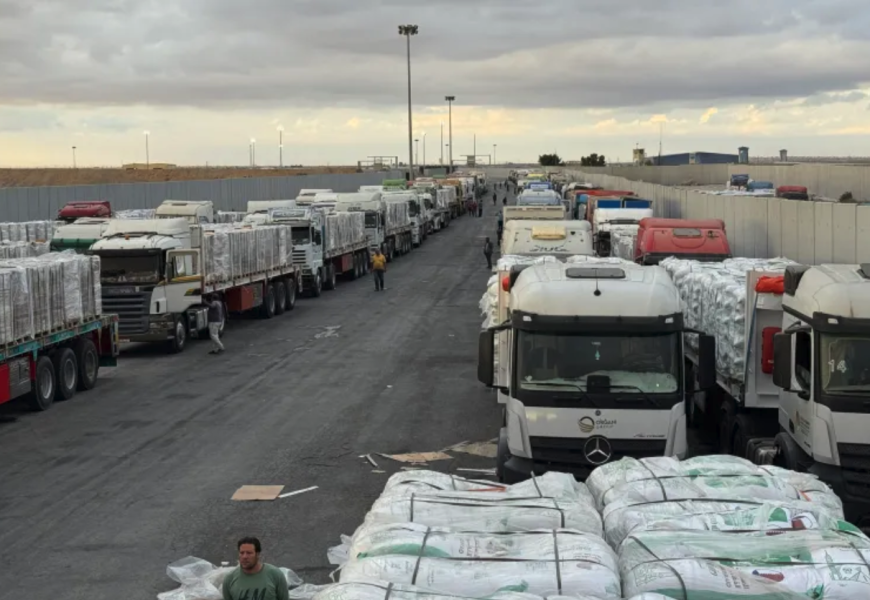
The World Health Organization has warned that repeated delays in the delivery of medicines, prosthetics and other essential medical supplies into Gaza could have "devastating consequences" for Palestinians in urgent need of treatment.
The WHO said approved humanitarian aid is currently able to enter Gaza through Kerem Shalom, in the south of the territory. Rafah, also in southern Gaza, is being used only for limited movement of people, including patients requiring medical treatment outside the territory.
Reinhilde Van De Weerdt, the WHO's representative in Palestine, said the effectiveness of humanitarian assistance depended not only on whether supplies were approved, but whether they reached people in time.
"A truck full of non-priority supplies or the right supplies arriving too late, doesn't save lives," she said.
Van De Weerdt called on Israeli authorities to ease restrictions affecting medical supplies, arguing that essential hospital medicines and equipment should not be treated as dual-use items.
She said a shipment containing prosthetics and assistive devices had been rejected four times over a six-month period.
"Every rejection means another delay for someone who has already lost a limb and is simply waiting for the chance to walk again," she said.
The WHO said medicines had generally faced fewer obstacles, with almost 87 percent of shipments approved and slightly more than 1 percent rejected.
Van De Weerdt called for humanitarian and medical supplies to be allowed into Gaza through a predictable and uninterrupted system and in sufficient quantities to meet demand.
She also urged the creation of a multi-crossing system, warning that humanitarian assistance should not have to depend on a small number of entry points.
Four other potential crossings - Kissufim, Gate 96, Erez and Erez West - remain closed and under Israeli control.
Van De Weerdt praised health workers continuing to operate in Gaza despite the dangers, but said many lacked the supplies needed to provide adequate care to patients.
Winter raises health concerns
The WHO has also warned that the arrival of winter could intensify Gaza's humanitarian and health crisis.
Van De Weerdt said almost two million people required adequate shelter to protect them from cold weather and flooding.
She warned that poor shelter conditions, limited access to clean water and deteriorating sanitation could increase the risk of preventable disease outbreaks.
The presence of large numbers of rats was another concern because their bites can transmit infections. The ability to monitor and respond to disease outbreaks has also been weakened by damage to public health laboratories.
The UN Office for the Coordination of Humanitarian Affairs has separately warned about the accumulation of solid waste in Gaza City.
The organisation said sanitation services remained vulnerable because of limited access to heavy machinery, engine oil, spare parts and fuel.
OCHA has described Gaza's humanitarian situation as "overwhelming", despite a fragile ceasefire between Hamas and Israel.
The ceasefire has continued to be accompanied by Israeli air attacks and other military activity, while humanitarian organisations war.
More Top Stories