°C
 2
Min
Wall Street finished lower on Thursday as stronger-than-expected inflation pressures and a sharp rise in oil prices increased concerns that the Federal Reserve could raise interest rates at its policy meeting next week. The Dow Jones Industrial Average fell 0.60%, while the S&P 500 declined 0.58% and the Nasdaq Composite dropped 0.65%.
Wall Street Retreats As Yields Surge
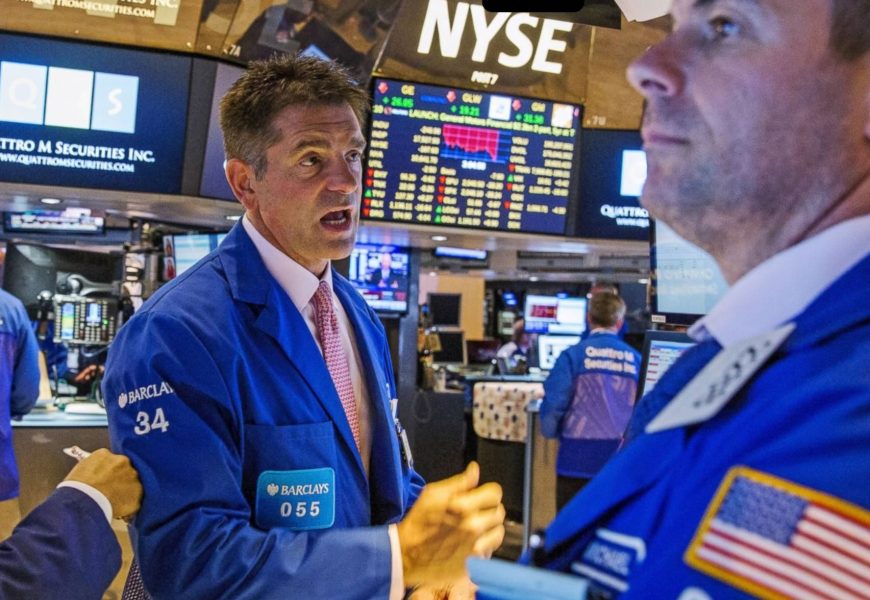
Wall Street finished lower on Thursday as stronger-than-expected inflation pressures and a sharp rise in oil prices increased concerns that the Federal Reserve could raise interest rates at its policy meeting next week. The Dow Jones Industrial Average fell 0.60%, while the S&P 500 declined 0.58% and the Nasdaq Composite dropped 0.65%.
Higher Treasury yields also weighed on investor sentiment, making government bonds more attractive relative to equities.
Technology stocks were among the major decliners, with Nvidia falling 2.3% and Micron Technology dropping 4.7%. The declines in the two major chipmakers placed additional pressure on the S&P 500.
Apple was a notable exception, climbing 3.6% after unveiling its latest products, including a $1,999 iPhone.
Oil prices added to market concerns as disruptions to shipping routes through the Strait of Hormuz and the Red Sea intensified fears about global energy supplies. Brent crude surged about 6% to around $107 a barrel.
The sharp rise in oil prices has raised fresh concerns about inflation, particularly because higher energy costs can feed into transportation, manufacturing and consumer prices.
Investors are now reassessing expectations for the Federal Reserve's next interest-rate decision, with the latest economic data and higher energy prices increasing the possibility of further monetary tightening.
Treasury yields climbed sharply during the session. The yield on the benchmark 10-year Treasury note reached its highest level in almost three years.
The 30-year Treasury yield also rose to its highest point in more than 19 years, while the two-year yield reached its highest level in more than two years.
Rising yields can put pressure on share valuations by increasing borrowing costs for businesses and reducing the relative appeal of riskier assets.
Markets are now focused on the Federal Reserve's policy meeting next Wednesday, where investors will closely examine the central bank's decision and its outlook for inflation and interest rates.
More Top Stories