°C
 5
Min
Voting has begun in the 2026 United States midterm elections, with control of Congress at stake in a contest that could significantly reshape President Donald Trump's political position and ability to govern. The first polling stations opened in Vermont early on Tuesday, with voting scheduled to begin later in New Jersey, Virginia, Connecticut and parts of Kentucky and Indiana.
US Midterm Elections Open in Major Test for Trump
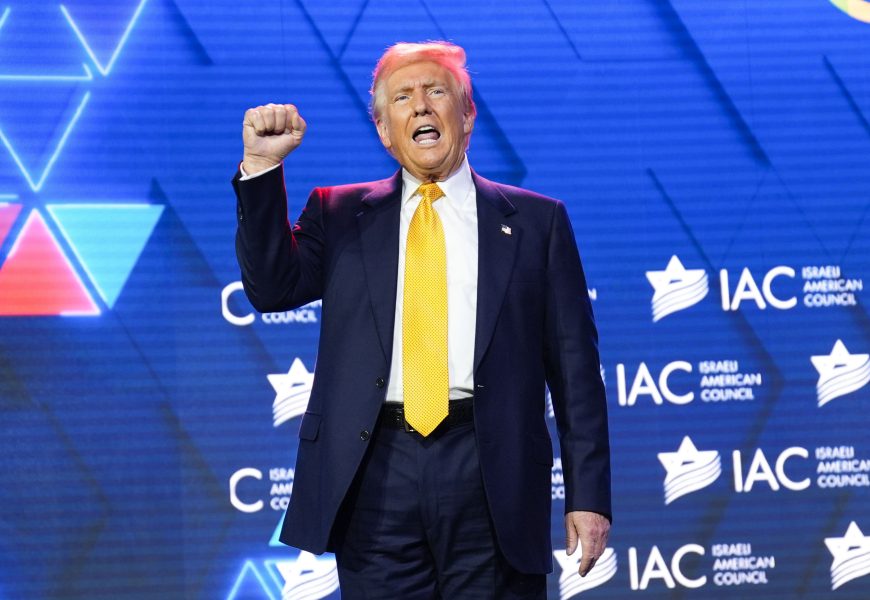
Voting has begun in the 2026 United States midterm elections, with control of Congress at stake in a contest that could significantly reshape President Donald Trump's political position and ability to govern.
The first polling stations opened in Vermont early on Tuesday, with voting scheduled to begin later in New Jersey, Virginia, Connecticut and parts of Kentucky and Indiana.
All 435 seats in the House of Representatives and 35 of the Senate's 100 seats are being contested. Voters in 36 states will also elect governors.
The outcome could determine whether Republicans retain control of Congress or Democrats gain the power to challenge the Trump administration's legislative agenda.
About 58 million of the 210 million registered voters have already cast ballots through early in-person voting and postal voting.
The Department of Justice announced on Tuesday that it would deploy a record 1,000 election monitors across all 50 states as voting gets under way.
Initial results are expected on Tuesday evening as polling stations close, although the final outcome in closely contested races could take several days to emerge.
Trump makes final push to protect Republican control
Trump has stepped up his efforts to prevent Republicans from losing control of either chamber of Congress, warning that a Democratic victory could severely undermine his administration.
Losing the House or Senate would make it considerably more difficult for the president to advance legislation and implement his political priorities.
A Democratic-controlled Congress could also launch investigations into decisions and actions taken by the administration over the past two years, potentially creating further political pressure and legislative gridlock.
Trump has travelled to more than 20 states and attended 29 campaign events over 32 days in an intensive effort to secure Republican support.
Much of his campaigning has focused on traditionally Republican states where the party is now facing increasingly competitive challenges from Democrats.
Democrats are optimistic about their chances of regaining control of the House, while some are also hoping to make gains in the Senate.
Such an outcome would represent a major setback for Trump, who has relied on Republican support in Congress to advance his legislative programme.
The president has continued using national television appearances and major policy announcements to appeal to voters, including signalling the possibility of ending US assistance to Israel.
Trump has also sought to reinforce his administration's economic and security credentials, arguing that his policies have delivered greater prosperity and improved safety for Americans.
He is expected to follow election night developments from a viewing reception at the White House while continuing to communicate with supporters and make his case for Republican candidates.
The election represents a significant assessment of Trump's presidency and could determine the balance of political power in Washington for the remainder of his current term.
More Top Stories