°C
 5
Min
Ukraine has reclaimed more territory in eastern Donetsk during a week of growing tensions with Washington, as US President Donald Trump eased some restrictions on Russian oil sales and concerns mounted over American support for Kyiv.
Ukraine Retakes Territory in Donetsk Despite US-Russia Tensions
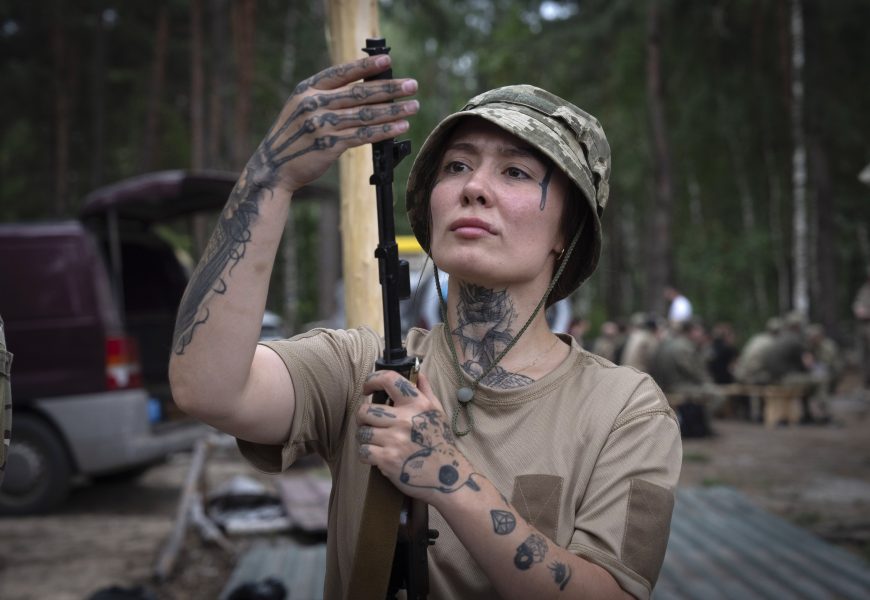
Ukraine has reclaimed more territory in eastern Donetsk during a week of growing tensions with Washington, as US President Donald Trump eased some restrictions on Russian oil sales and concerns mounted over American support for Kyiv.
Ukraine's military said its latest counteroffensive had recaptured another 100 square kilometres of territory, highlighting battlefield gains despite concerns about disruptions to US intelligence and satellite services critical to the country's defence.
Ukrainian President Volodymyr Zelenskyy expressed disappointment with Washington's recent decisions, saying the relationship between the two countries was coming under significant strain.
"It is a pity we are losing ... a strong partner," Zelenskyy told journalist Piers Morgan.
He said it was painful to see Trump align with Russia rather than Ukraine, arguing that the decision would have consequences for the course of the war.
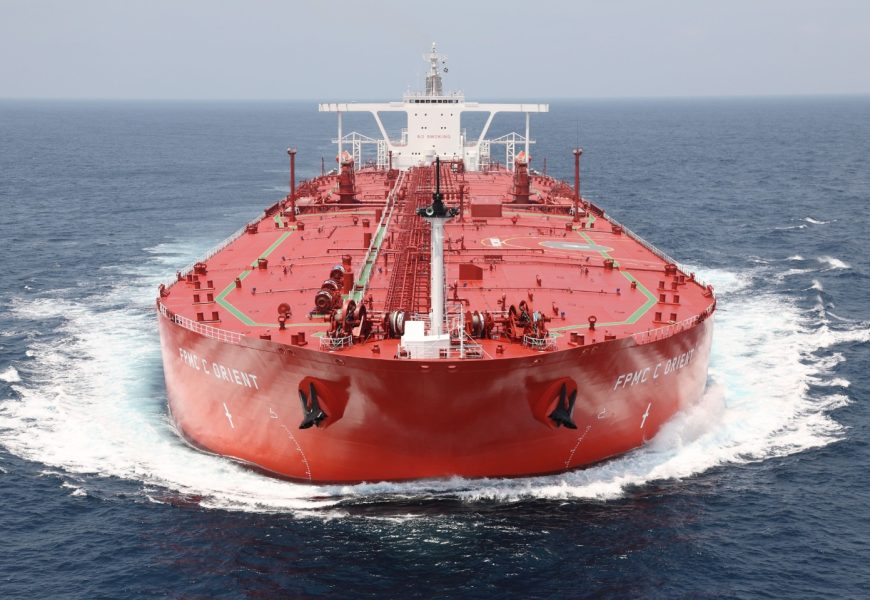
The diplomatic tensions intensified after Trump authorised Russia to sell 1.8 million tonnes of diesel to international markets by the end of the year. The move was intended to ease transport costs but effectively reversed recently introduced legislation that gave the US president authority to impose secondary sanctions on countries purchasing Russian oil.
Ukraine also raised concerns about intelligence-sharing after Zelenskyy said partners had not provided information about five ballistic missiles heading towards Kyiv on October 13. The missiles struck the capital's Thermal Power Plant No. 4, one of its largest facilities, contributing to power outages.
The following day, Russia launched a major assault on Ukraine's energy infrastructure. Ukrainian officials reported that 850 drones and 39 missiles had been launched over 24 hours, striking 30 energy targets across 19 regions.
The attacks occurred despite Trump having declared an energy ceasefire on October 11.
Zelenskyy condemned the strikes, accusing Moscow of showing disregard for Washington's efforts to halt attacks on energy facilities.
Satellite restrictions raise defence concerns
Ukraine's air defences also faced difficulties following reported restrictions affecting its use of SpaceX satellite services.
The Starshield system, the military component of the Starlink satellite network, reportedly limited Ukraine's navigation capabilities at speeds above 160 kilometres per hour. The restriction complicated efforts to track and intercept faster Russian drones, including jet-powered Geran-4 models reported to travel at more than 500 kilometres per hour.
Zelenskyy said approximately 60 per cent of Russian drones were now jet-powered, increasing the challenge facing Ukrainian air defences.
SpaceX owner Elon Musk said Starshield was owned and controlled by the US government, with decisions about restrictions ultimately resting with the American military and the president.
Ukrainian defence sources said the services had begun returning to normal by October 15.
The reported disruption raised concerns about Ukraine's ability to defend its cities and protect critical infrastructure. During September, Ukraine's air force said it had intercepted more than 4,700 drones and missiles.
Satellite technology is also important to Ukraine's offensive operations, helping its forces target Russian supply routes, ammunition depots, command posts and logistics facilities.
Counteroffensive delivers territorial gains
Despite the difficulties, Ukraine continued its efforts to push Russian forces back in the eastern Donetsk region.
Ukraine's Third Army Corps completed a fourth phase of Operation Vivaldi, reclaiming another 100 square kilometres, according to corps commander Andrii Biletskyi.
The operation's reported territorial gains have reached 275 square kilometres, with 16 settlements recaptured since August.
The campaign was intended to disrupt Russian attempts to capture Lyman. A separate Ukrainian counteroffensive further south sought to prevent Russian forces from taking Dobropillya.
Kyiv has viewed the Russian advances as part of a broader effort to threaten the strategically important cities of Sloviansk and Kramatorsk from multiple directions.
The Ukrainian counterattacks have forced Russian units to divert resources away from these areas, contributing to a decline in reported attacks.
The Institute for the Study of War said average daily Russian attacks in the Sloviansk direction fell from about 14 in August to five in September and three so far in October. In the Kramatorsk direction, attacks declined from approximately three a day in August to one in September and an average of 0.3 in October.
Zelenskyy said Ukrainian positions along the front line remained strong, although he acknowledged that Russian forces outnumbered Ukrainian troops by six to eight times in some sectors.
Drone production and strikes inside Russia
Ukraine's growing domestic drone industry, supported by European partners, has contributed to its ability to sustain operations.
The Defence Ministry said its orders in 2026 were 50 per cent higher than in 2025, while delivery volumes had nearly quadrupled.
Ukraine also continued striking targets inside Russia, including facilities associated with explosives, rocket fuel and missile production.
On October 15, Ukrainian forces reported destroying four Sukhoi fighter aircraft and damaging two others at Borisoglebsk airfield in the Voronezh region.
Ukrainian attacks also targeted Russian data centres operated by Yandex and Sberbank, reportedly disrupting online payments and other digital services.
After observing the declared energy ceasefire for three days, Ukraine resumed attacks on Russian oil refineries on October 15.
The competing strikes underline the continuing intensity of the conflict, even as Washington pursues measures intended to influence energy prices and manage the war's broader economic consequences.
Ukraine's territorial gains in Donetsk offer Kyiv a battlefield success amid uncertainty over the reliability of American support, while Russia continues to rely on numerical advantages and sustained attacks against Ukrainian infrastructure.
More Top Stories