°C
 3
Min
The US president says Nidal Malik Hasan's scheduled execution will not be broadcast publicly following widespread criticism of the proposal. US President Donald Trump has reversed his support for livestreaming the execution of Nidal Malik Hasan, the convicted gunman responsible for the deadly 2009 shooting at Fort Hood military base in Texas.
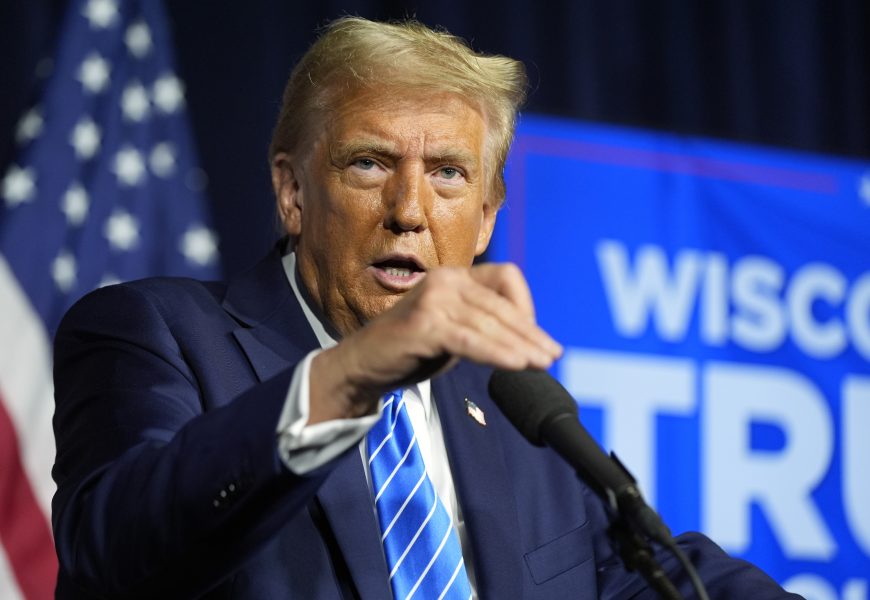
Trump Reverses Plan to Livestream Fort Hood Shooter's Execution
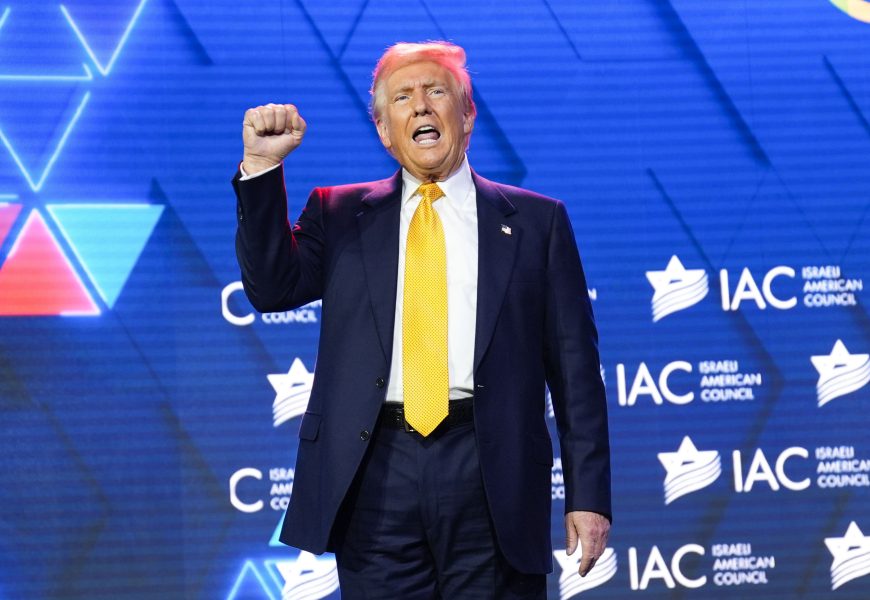
The US president says Nidal Malik Hasan's scheduled execution will not be broadcast publicly following widespread criticism of the proposal.
US President Donald Trump has reversed his support for livestreaming the execution of Nidal Malik Hasan, the convicted gunman responsible for the deadly 2009 shooting at Fort Hood military base in Texas.
Trump announced on Thursday that the execution would proceed as scheduled by firing squad but would not be broadcast online. He said immediate family members of the victims would be permitted to watch.
The decision reverses an earlier announcement by the Pentagon, which said last week that the execution would be made public. Trump had initially expressed strong support for the proposal, arguing that broadcasting the event could deter future acts of terrorism.
A publicly broadcast execution would have been the first of its kind in the United States since 1936, drawing criticism from lawmakers, legal experts and members of the public.
In a statement, Trump described Hasan as an evil man and criticised the administration of former president Barack Obama over what he called an intelligence failure before the attack.
The November 2009 shooting killed 13 people and wounded more than 30 others at the Texas military installation.
Trump acknowledged that while a public broadcast might demonstrate the consequences of terrorism, many people did not want to watch an execution.
He confirmed that Hasan would die by firing squad on the scheduled date, but said the event would not be streamed.
US Secretary of Defense Pete Hegseth had previously defended the plan, arguing that a public execution would demonstrate the serious consequences of attacks against military personnel and other Americans.
Hegseth announced that the execution was scheduled for December 3 at 1pm US Central Time, corresponding to 6pm GMT. The timing was chosen to coincide with the hour of the original 2009 shooting.
The proposal prompted criticism from several lawmakers, including members of Trump's Republican Party.
Republican Senator John Curtis warned that treating executions as public entertainment could undermine civilised values. His comments reflected broader concerns about the ethical implications of broadcasting a person's death.
Vice President JD Vance had also expressed reservations about the proposal, previously indicating that he would not watch a livestream if the plan went ahead.
Legal experts raised additional questions about whether broadcasting an execution could breach US restrictions on transmitting obscene, indecent or graphic material. They also questioned how authorities could prevent children from accessing the footage.
Opponents argued that a public broadcast might do little to prevent future violence and could instead elevate the profile of the perpetrator, potentially encouraging copycat attacks.
The proposal also appeared to have limited public support.
An ABC News-Washington Post-Ipsos poll released on Thursday found that only 18 per cent of respondents supported livestreaming the execution, while 80 per cent opposed it.
Trump's decision means the execution will proceed without a public broadcast, following mounting criticism over the proposed spectacle and its potential legal, ethical and social consequences.
More Top Stories