°C
 3
Min
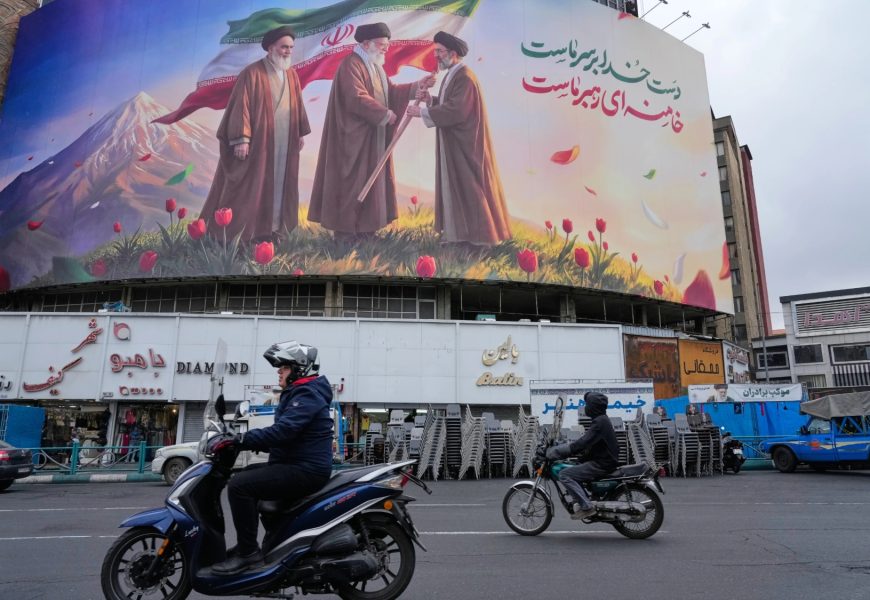
Iran has strongly criticised the International Atomic Energy Agency after its board of governors voted to refer Tehran to the United Nations Security Council over its failure to provide access to nuclear facilities. The resolution marks the first time in two decades that Iran has been referred to the Security Council over its nuclear programme.
Tehran condemns nuclear watchdog referral to UN Security Council
Iran has strongly criticised the International Atomic Energy Agency after its board of governors voted to refer Tehran to the United Nations Security Council over its failure to provide access to nuclear facilities.
The resolution marks the first time in two decades that Iran has been referred to the Security Council over its nuclear programme, further escalating tensions between Tehran and Western governments.
The IAEA board voted 23-3 to approve the measure, with eight countries abstaining. Russia, China and Niger voted against the resolution.
Iranian Deputy Foreign Minister Kazem Gharibabadi condemned the decision, arguing that the circumstances surrounding Iran's nuclear facilities had been ignored.
Gharibabadi said damage and disruption caused by attacks on Iranian nuclear sites had prevented normal inspections and accused the IAEA of using those circumstances to justify a referral.
He said the resolution would not resolve the underlying dispute and argued that it would fail to produce meaningful results at the Security Council.
Iran's representative to the IAEA, Reza Najafi, also rejected the decision, claiming it had been adopted as a result of political pressure from the United States and its allies.
The Iranian government described the resolution as politically motivated and biased.
The dispute centres on Iran's obligations under international nuclear safeguards and its refusal to permit IAEA inspectors full access to its nuclear facilities.
The United States, Britain, France and Germany backed the resolution, arguing that Iran has failed to meet its international obligations and that the nuclear watchdog must be able to verify the country's activities.
China, Russia and Iran had jointly opposed the move before the vote, arguing that the allegations against Tehran were politically motivated.
The three countries said attacks by the United States and Israel on Iranian nuclear facilities had contributed directly to the disruption of inspections and should be taken into account when assessing Iran's cooperation with the IAEA.
In a joint statement, Beijing, Moscow and Tehran argued that referring the issue to the Security Council lacked a sound legal basis and risked worsening an already dangerous situation.
They also maintained that diplomacy should remain the preferred means of resolving the dispute.
The Security Council's next steps remain uncertain. While the referral increases international pressure on Iran, any substantive action could face opposition from Russia and China, both permanent members of the council with veto powers.
The decision comes at a particularly sensitive time for relations between Iran and Western powers, with the country's nuclear programme remaining at the centre of broader disputes involving regional security and military action.
The latest development is likely to intensify diplomatic efforts while increasing uncertainty over the future of international monitoring of Iran's nuclear activities.
More Top Stories