°C
 4
Min
Tajikistan has begun receiving crude oil and petroleum products from Iran, opening a potential new source of fuel for the landlocked Central Asian country as it seeks to reduce its dependence on Russia. The deliveries began in late August following discussions between Tajik and Iranian officials about expanding cooperation in the oil and gas sector.
Tajikistan Begins Receiving Iranian Oil as It Seeks Alternative to Russian Supplies
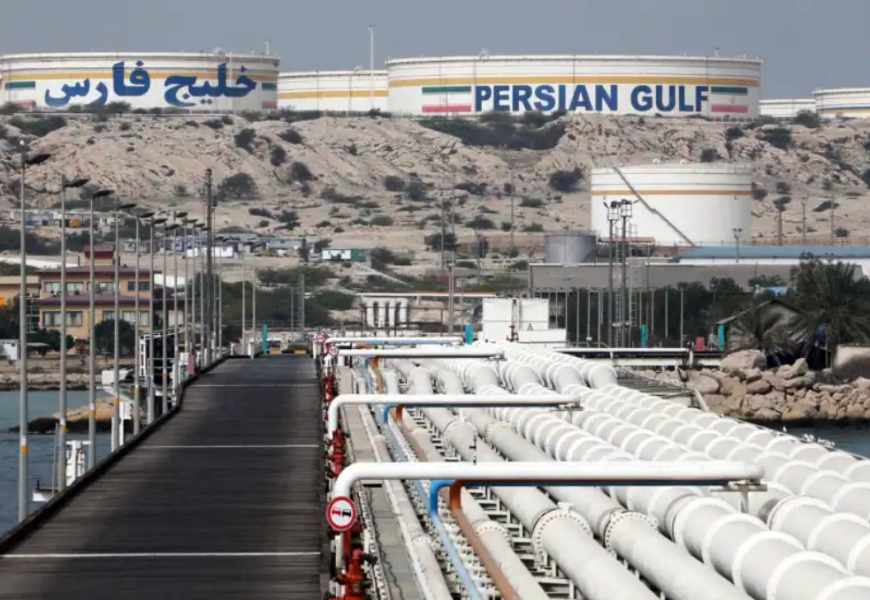
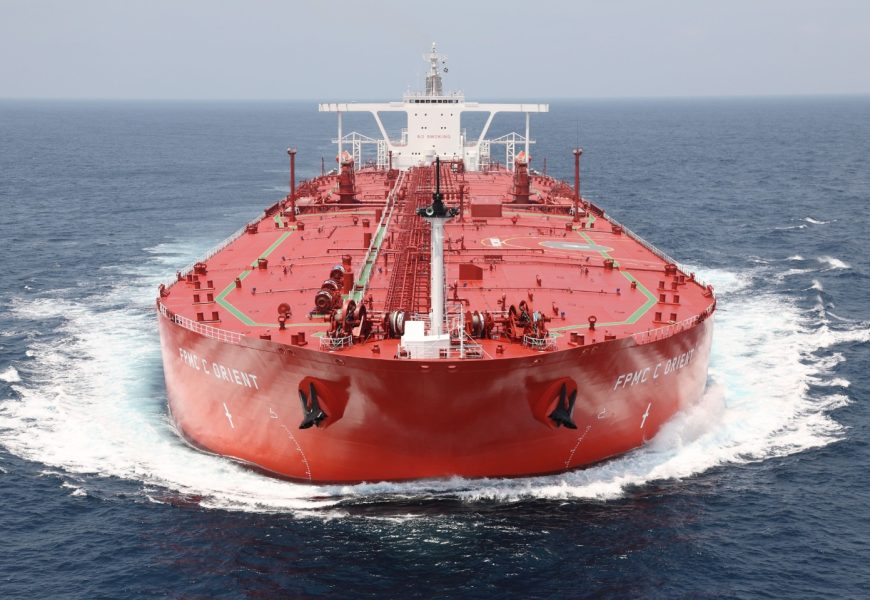
Tajikistan has begun receiving crude oil and petroleum products from Iran, opening a potential new source of fuel for the landlocked Central Asian country as it seeks to reduce its dependence on Russia.
The deliveries began in late August following discussions between Tajik and Iranian officials about expanding cooperation in the oil and gas sector.
Tajik authorities have not disclosed how much oil has been delivered, the commercial terms of the shipments or the precise routes used to transport the supplies.
The development could provide Tajikistan with an alternative to Russian fuel, but it also raises questions about the potential impact of US sanctions against Iran's petroleum industry.
A US Treasury official said the United States would not comment on specific allegations of sanctions violations but warned that Iran's petroleum and petrochemical sectors carry significant sanctions risks.
Tajikistan has asked Iran to supply as much as 2.55 million tonnes of crude oil and petroleum products each year. The proposed figure includes gasoline, diesel and aviation fuel, although it represents a potential future volume rather than the amount currently being supplied.
The economic and logistical challenges of transporting large quantities of Iranian oil to landlocked Tajikistan remain uncertain.
Russia has traditionally dominated Tajikistan's fuel imports. Russian petroleum products accounted for more than 91 percent of Tajikistan's imports during the first half of 2026.
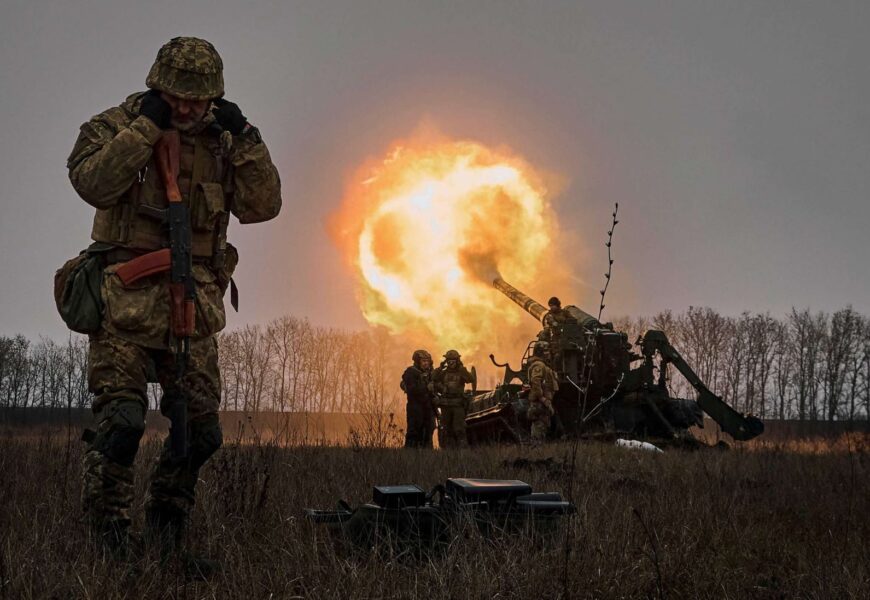
However, shortages in Russia and restrictions on fuel exports have encouraged Tajikistan and other Central Asian countries to look for alternative suppliers. Disruptions to Russian refining capacity following Ukrainian drone attacks have added to concerns about the reliability of future supplies.
Tajik authorities said in July that they were exploring alternative sources in neighbouring countries to strengthen fuel security.
Analyst Parviz Mullojonov said Tajikistan's interest in Iranian supplies was partly driven by the need to secure additional energy sources.
Closer ties between Tajikistan and Iran
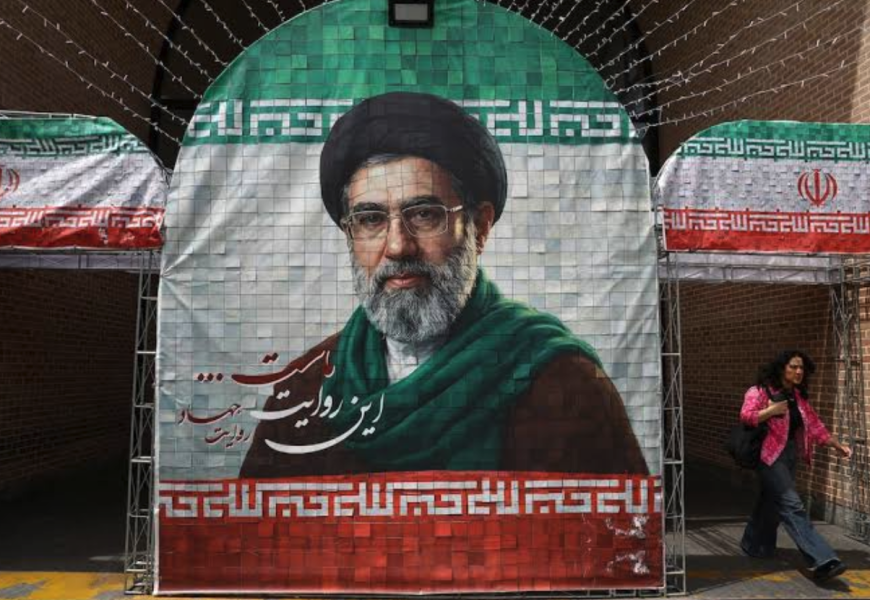
The oil deliveries come as relations between Tajikistan and Iran have improved after years of political tensions.
The two countries share historical and linguistic ties and established diplomatic relations in 1992. Bilateral trade reached $438 million in 2025, an increase of 28 percent from the previous year, according to Tajik officials.
The countries have also signed more than 200 agreements and memorandums covering areas including trade, transport, investment, energy, science and technology.
During a meeting of the Tajik-Iranian intergovernmental commission in Dushanbe in May, officials discussed expanding cooperation across several economic sectors, including energy and transportation.
The countries also maintain defence ties. In 2022, Iran and Tajikistan inaugurated a drone-manufacturing facility in Dushanbe intended to produce Iranian-designed Ababil-2 drones.
Relations between the two governments had deteriorated significantly during the mid-2010s, when Tajikistan expressed concerns over alleged Iranian support for the banned Islamic Renaissance Party.
Dushanbe also accused Tehran in 2017 of involvement in political killings in Tajikistan during the 1990s. Iran rejected the allegations.
Relations began improving in the early 2020s, including after Tajik President Emomali Rahmon visited Tehran in 2022. Both governments subsequently pledged to strengthen diplomatic, economic and security cooperation.
Sanctions create uncertainty
A Tajik delegation visiting Tehran in August held discussions with Iranian officials responsible for petroleum products and railways, with energy supplies and transportation logistics among the issues considered.
Greater energy cooperation with Iran could nevertheless expose Tajik businesses or financial institutions to US secondary sanctions.
Under US sanctions rules, foreign companies and financial institutions can face penalties for certain significant transactions involving Iranian petroleum and petroleum products.
The US Treasury has repeatedly warned companies about the risks associated with Iran's oil trade and has expanded the types of conduct that could potentially trigger secondary sanctions.
A US State Department spokesperson said Washington would continue efforts to disrupt what it describes as Iranian illicit oil trading, procurement networks, military activities and other operations.
Analyst Edward Lemon said the possibility of secondary sanctions would need to be considered by Tajikistan as it expands its relationship with Iran.
He said Tajikistan could potentially face sanctions pressure, although the relatively limited scale of cooperation compared with Iran's relationships with major powers such as Russia and China could influence Washington's response.
Mullojonov said Tajikistan was attempting to balance its relationships with the United States, Russia, China, Turkey and other major powers while protecting its own economic interests.
For now, it remains unclear whether Iranian oil can develop into a major alternative to Russian fuel supplies. The scale of future deliveries, transportation costs and potential exposure to US sanctions are likely to determine whether the new supply route becomes commercially significant.
More Top Stories