°C
 3
Min
Sudan's humanitarian aid network could collapse within weeks unless urgent new funding is secured, the United Nations' International Organization for Migration (IOM) has warned. The agency said ongoing fighting, heavy rains and widespread displacement are placing severe pressure on the humanitarian supply system.
Sudan Aid Network Faces Collapse as Funding Dries Up
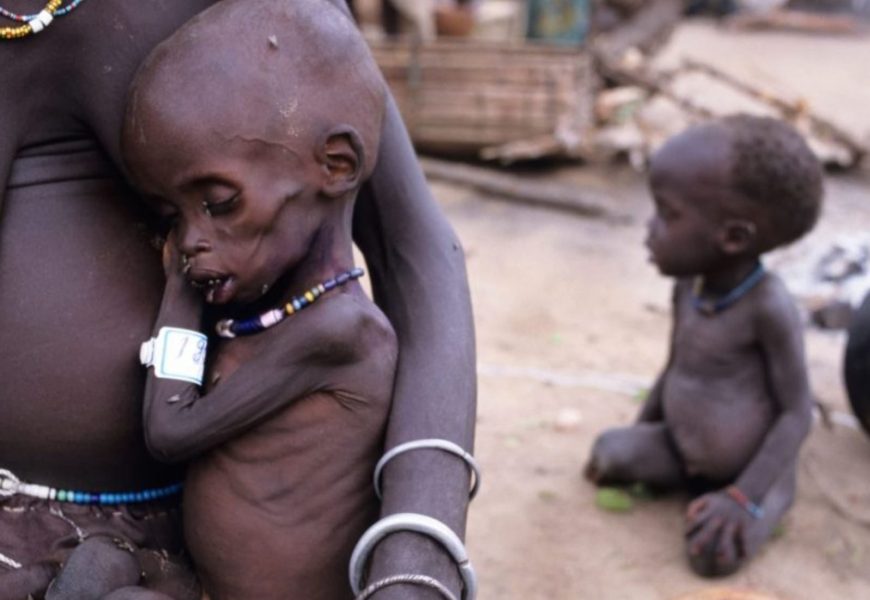
Sudan's humanitarian aid network could collapse within weeks unless urgent new funding is secured, the United Nations' International Organization for Migration (IOM) has warned.
The agency said ongoing fighting, heavy rains and widespread displacement are placing severe pressure on the humanitarian supply system, with emergency shelter and relief supplies at risk of running out by the end of September.
The IOM said its Common Humanitarian Pipeline, which supplies essential relief materials to organisations operating across Sudan, is facing an imminent funding crisis.
IOM Director General Amy Pope warned that the wider humanitarian response could be severely disrupted if additional financial support is not provided.
"The entire humanitarian system could collapse within weeks if we don't act now," Pope said, warning that aid organisations were struggling to reach people affected by the conflict and worsening weather conditions.
Sudan has been engulfed in a devastating war between the Sudanese army and the paramilitary Rapid Support Forces since April 2023.
The conflict has killed more than 200,000 people according to estimates from aid workers and has triggered what humanitarian organisations describe as the world's largest hunger and displacement crisis.
The crisis has been compounded by a sharp reduction in international humanitarian funding.
The IOM said about 8.6 million people remain internally displaced across Sudan. Continuing violence, flooding and heavy rainfall have damaged shelters and forced further population movements.
The organisation's humanitarian network includes almost 100 national and international non-government organisations and has delivered assistance to approximately 2.8 million people since July 2023.
However, the scale of its operations has been reduced as funding has declined while humanitarian needs have continued to increase.
The IOM estimates that maintaining its current system for a year and supporting about 305,000 people would cost $15 million. It would require approximately $42 million to restore its operations to the level reached in 2024.
The World Food Programme is also facing a major funding shortfall.
Funding for the organisation in Sudan has fallen by roughly half this year. It received $645 million last year but had secured only $206 million so far this year.
WFP acting head Carl Skau said humanitarian organisations now had greater access to some areas but lacked sufficient funding to make full use of their existing presence and resources.
Meanwhile, violence continues across the country.
At least four civilians were reportedly killed and several others wounded overnight in drone attacks by the Rapid Support Forces on Damazin, the capital of Sudan's Blue Nile region.
A Sudanese military official said the attacks struck civilian infrastructure and privately owned fuel stations.
The continuing violence, combined with severe funding shortages and extreme weather, is placing further strain on an already overstretched humanitarian response.
More Top Stories