°C
 3
Min
South Africa has rejected planned US visa restrictions targeting individuals accused of discriminating against white Afrikaners, describing the allegations as based on misleading characterisations promoted by fringe groups.
South Africa rejects US visa curbs over Afrikaner discrimination claims
South Africa has rejected planned US visa restrictions targeting individuals accused of discriminating against white Afrikaners, describing the allegations as based on misleading characterisations promoted by fringe groups.
South African Minister for International Relations and Cooperation Ronald Lamola said the government remained committed to addressing inequality and racial tensions through the country's constitutional institutions, democratic processes and the rule of law.
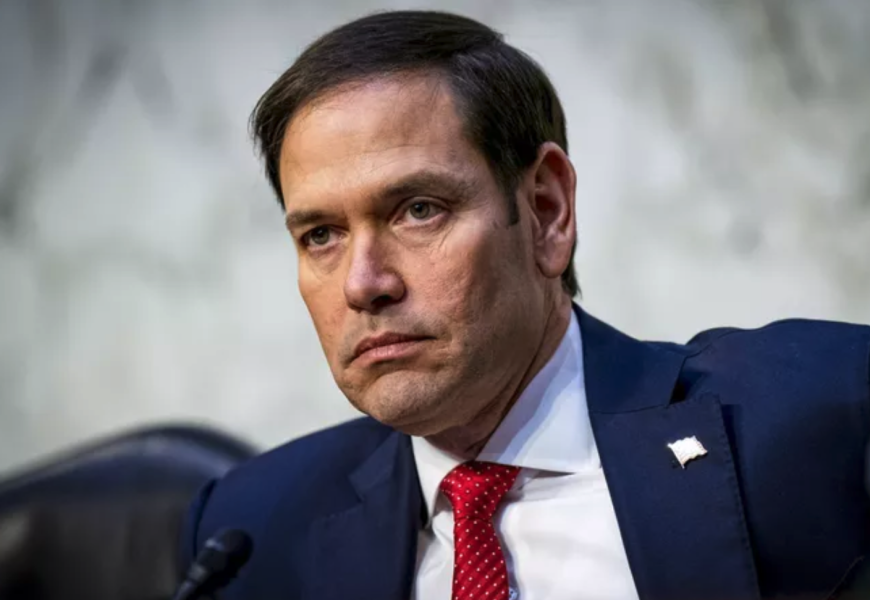
His comments followed an announcement by US Secretary of State Marco Rubio that Washington would introduce a policy restricting visas for South Africans allegedly involved in what the United States describes as race-based discrimination against white Afrikaners.
Rubio said the restrictions would apply to people considered responsible for, or involved in, laws or policies that permit uncompensated land seizures, racial discrimination or incitement of imminent violence against minority ethnic or racial groups.
The dispute centres partly on South Africa's land ownership system, which remains heavily influenced by the legacy of apartheid.
Afrikaners are a minority community largely descended from Dutch colonial settlers. Under apartheid, which lasted until 1994, South Africa's white minority government implemented policies that stripped the Black majority of land and restricted where people could live and work.
The country held its first democratic elections in 1994, bringing the African National Congress to power and ending formal apartheid rule.
Land ownership remains a major political and economic issue. A South African government report published in 2017 found that white South Africans, who represented about 7 percent of the population, owned a disproportionately large share of privately held agricultural land.
Successive governments have introduced programmes aimed at purchasing and redistributing land.
In 2025, South Africa enacted legislation allowing the government to expropriate land in certain circumstances, including limited situations where compensation may not be paid.
The legislation has been strongly criticised by some Afrikaner organisations, which argue that it could threaten property rights and contribute to discrimination against white South Africans. The South African government has rejected claims that it is targeting Afrikaners and has described some allegations of systematic persecution and attacks as misinformation.
Relations between Washington and Pretoria have also been strained by wider disagreements.
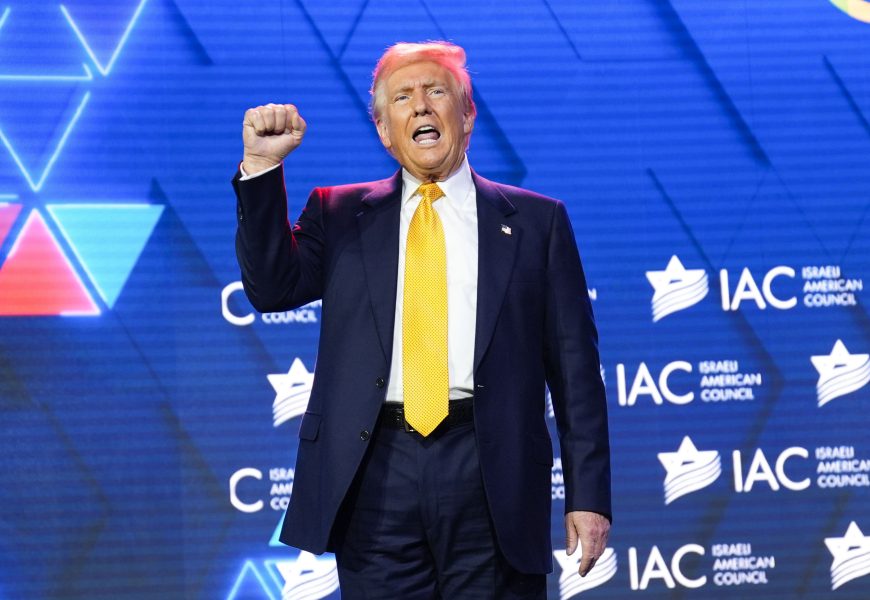
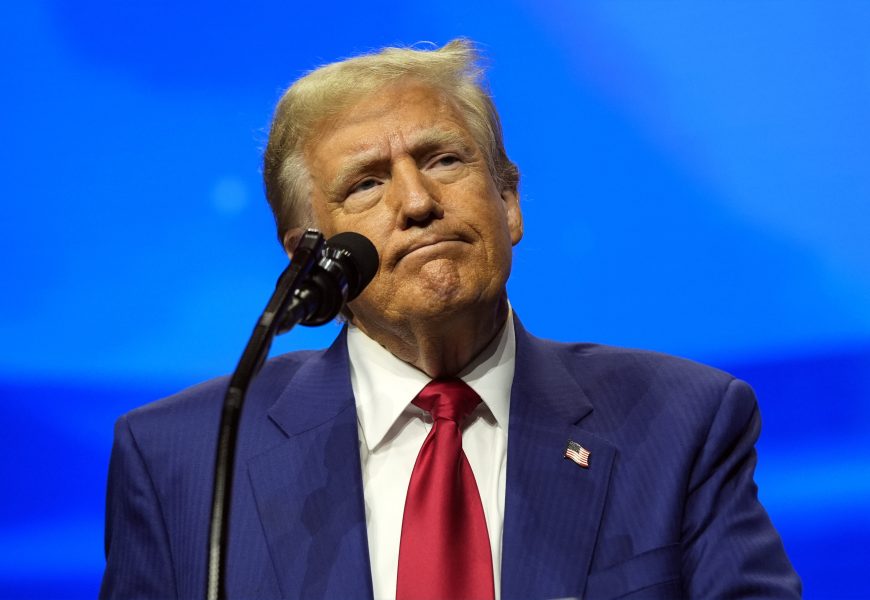
US President Donald Trump has previously criticised South Africa over its land policies and its decision to bring a case against Israel at the International Court of Justice alleging genocide in Gaza.
The Trump administration has also introduced a programme allowing some white South Africans to seek refugee status in the United States and previously suspended most US foreign assistance to South Africa.
Lamola said South Africa would continue addressing its domestic challenges through its own democratic and constitutional processes, while pursuing the goal of creating a more equal and inclusive society.
More Top Stories