°C
 5
Min
US Secretary of State Marco Rubio is heading to Uzbekistan for high-level talks with five Central Asian nations as Washington seeks to expand its economic partnerships and strengthen its strategic position in a region where Russia and China have long held significant influence.
Rubio Visits Central Asia as US Seeks to Counter Russian and Chinese Influence
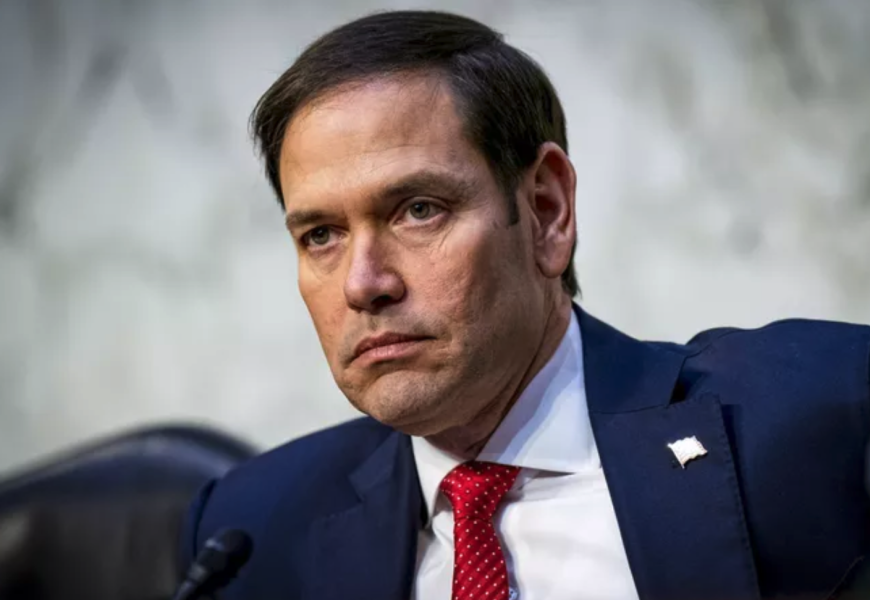
US Secretary of State Marco Rubio is heading to Uzbekistan for high-level talks with five Central Asian nations as Washington seeks to expand its economic partnerships and strengthen its strategic position in a region where Russia and China have long held significant influence.
Rubio will attend the October 17-20 ministerial meeting in Samarkand under the C5+1 framework, which brings together the United States and Kazakhstan, Kyrgyzstan, Tajikistan, Turkmenistan and Uzbekistan.
The visit will include bilateral meetings with senior officials from all five countries, alongside a commercial delegation of more than 200 business leaders. The discussions are expected to focus on trade, investment, energy, critical minerals and regional connectivity.
The diplomatic push comes as Central Asian governments look to diversify their international relationships and reduce their reliance on established regional powers.
Russia's war against Ukraine has diverted Moscow's military and economic resources, creating opportunities for other countries to strengthen their relationships with Central Asian governments. China has also expanded its influence through trade, infrastructure investment and its Belt and Road Initiative.
Washington is seeking to establish a stronger presence without displacing existing economic and security relationships overnight.
China remains the region's dominant economic partner, while Russia continues to play an important role in security cooperation. However, US officials and regional analysts see opportunities for Washington to expand its commercial presence and develop closer diplomatic ties.
The growing engagement also reflects wider competition between the United States and China for access to resources, markets and strategically important transport routes.
Critical minerals and trade routes in focus
Central Asia's extensive mineral and energy resources are a major attraction for American businesses. Critical minerals, in particular, are increasingly important to global supply chains and industries supporting advanced manufacturing and emerging technologies.
The region's geographical position also gives it strategic significance. Situated between Russia, China, South Asia and Europe, Central Asia provides access to transport corridors connecting major markets.
One route attracting increased attention is the Middle Corridor, which links Central Asia across the Caspian Sea and through the South Caucasus towards Europe. The route offers an alternative to transport networks passing through Russia, providing countries and businesses with additional options for moving goods between Asia and Europe.
A larger American corporate presence could help Washington establish lasting commercial interests along these routes while creating opportunities for investment in logistics, infrastructure, energy and other industries.
Republican Senator Steve Daines has called for the removal of longstanding Jackson-Vanik trade restrictions affecting certain countries, arguing that updating the rules would help advance US commercial relationships with Central Asian nations.
The restrictions, introduced during the Cold War, link normal trade relations for certain economies to requirements concerning freedom of emigration.
The presence of more than 200 business leaders in Rubio's delegation highlights the administration's emphasis on commercial diplomacy. However, the longer-term impact will depend on whether the discussions result in concrete investment commitments, business agreements and sustained economic cooperation.
Uzbekistan seeks a stronger international role
Hosting the ministerial meeting provides Uzbekistan with an opportunity to strengthen its relationship with Washington and reinforce its position as a regional diplomatic centre.
President Shavkat Mirziyoyev has pursued closer engagement with the United States, while regional leaders have sought to broaden their international partnerships.
Washington has invited Mirziyoyev and Kazakhstan's President Qasym-Zhomart Toqaev to attend the G20 summit scheduled for Miami in December, according to background information provided for the report.
The expanding diplomatic relationship has also prompted speculation about a possible visit to Central Asia by US President Donald Trump. Such a trip would mark an unprecedented visit by a sitting US president to the region and could provide an opportunity to deepen engagement with its leaders.
Analysts have described Rubio's participation in the C5+1 meeting as a positive development, while suggesting that Washington could consider expanding the framework to include Azerbaijan.
An expanded C6+1 arrangement could strengthen cooperation between the United States and a wider group of countries spanning Central Asia and the South Caucasus.
American business interest in the region also appears to be increasing. A senior Wall Street executive travelling with Rubio's delegation said he had not previously encountered such strong interest from US companies during several decades of working with Central Asia.
The executive, who spoke anonymously because he was not authorised to comment publicly, said the growing attention reflected more than personal relationships between American officials and regional leaders. He attributed it to a broader institutional and commercial effort to compete with China.
India visit follows Central Asian talks
After completing his programme in Uzbekistan, Rubio is scheduled to travel to Mumbai and Jamnagar in India for his second official visit to the country this year.
His meetings with government officials and business leaders are expected to cover the US-India strategic partnership, regional and international developments, energy cooperation and commercial investment.
The combined diplomatic programme highlights Washington's broader effort to strengthen relationships across strategically important parts of Asia.
For Central Asian governments, increased American engagement offers the prospect of additional investment, expanded trade and greater flexibility in managing relationships with established powers.
For Washington, the challenge will be turning renewed diplomatic attention into lasting economic partnerships and a more substantial regional presence while competing with China's economic influence and Russia's established security connections.
More Top Stories