°C
 3
Min
Shipping and insurance costs have surged to unprecedented levels amid growing disruptions to global energy supplies, with oil-producing and consuming nations facing mounting economic pressures, according to the Organization of the Petroleum Exporting Countries (OPEC).
OPEC Warns Shipping and Insurance Costs Reach Unprecedented Levels
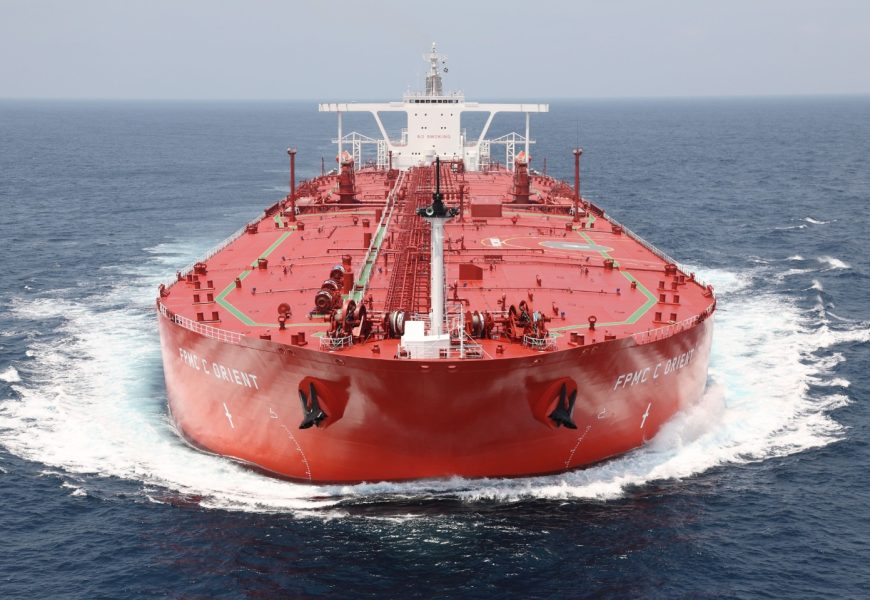
Shipping and insurance costs have surged to unprecedented levels amid growing disruptions to global energy supplies, with oil-producing and consuming nations facing mounting economic pressures, according to the Organization of the Petroleum Exporting Countries (OPEC).
Energy and oil ministers have warned that the escalating costs are making it increasingly difficult to transport crude oil and petroleum products efficiently, raising concerns about the broader impact on global trade, inflation and economic growth.
Disruptions to critical energy infrastructure and shipping routes have intensified uncertainty across international energy markets. These include the Houthi attack on Saudi Arabia's East-West pipeline and the continuing crisis affecting the Strait of Hormuz, a strategically important waterway for global oil shipments.
In a statement issued by OPEC, ministers said shipping and insurance expenses had climbed to more than one-third of the value of the commodities being transported.
The ministers warned that the additional costs were obstructing the timely and efficient movement of crude oil and refined petroleum products, while creating further inflationary pressures across the global economy.
They also cautioned that the financial burden was spreading throughout the oil supply chain, affecting producers, consumers and countries dependent on reliable energy supplies.
According to the ministers, higher transportation and insurance expenses are ultimately passed along the oil value chain, increasing costs for both producing and consuming nations. The resulting pressures could also weigh on economic growth and extend the effects of market disruptions.
The warning was delivered on the sidelines of a ministerial meeting of the International Energy Forum in Riyadh, where energy officials considered the implications of instability across international supply networks.
The developments highlight the vulnerability of global energy markets to disruptions affecting major pipelines and maritime transport routes. When established shipping corridors become less secure or energy infrastructure is damaged, operators can face higher insurance premiums, increased transportation expenses and delays in delivering supplies.
Such additional costs can affect the price of energy and related goods, potentially feeding into wider inflation as businesses and consumers absorb higher expenses.
The scale of the current cost increases, as described by the ministers, underscores the economic consequences of continued uncertainty in global energy transportation.
With oil supplies dependent on reliable infrastructure and secure shipping routes, further disruptions could prolong the pressure on freight, insurance and energy markets. The extent of the broader economic impact will depend on how conditions develop and how quickly the movement of oil and petroleum products can return to more predictable patterns.
More Top Stories