°C
 3
Min
A series of attacks and incidents involving oil tankers around the Strait of Hormuz has raised tensions in one of the world's most important energy shipping routes. At least three tankers have been struck by unidentified projectiles in and around the Strait since October 1, according to warnings issued by the United Kingdom Maritime Trade Operations (UKMTO).
Oil Tankers Hit by Iran in Strait of Hormuz
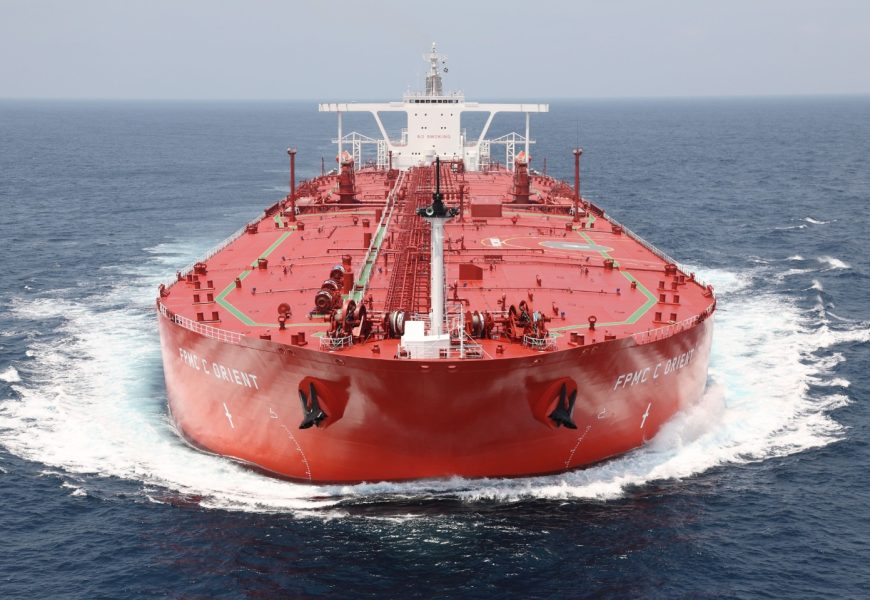
A series of attacks and incidents involving oil tankers around the Strait of Hormuz has raised tensions in one of the world's most important energy shipping routes.
At least three tankers have been struck by unidentified projectiles in and around the Strait since October 1, according to warnings issued by the United Kingdom Maritime Trade Operations (UKMTO).
Early Saturday, a crude oil tanker was hit on its port side about four nautical miles east of Oman, UKMTO reported.
The incident followed two separate events on Friday. One outbound vessel suffered a small fire and lost power, while another crude oil tanker was struck in the same general area.
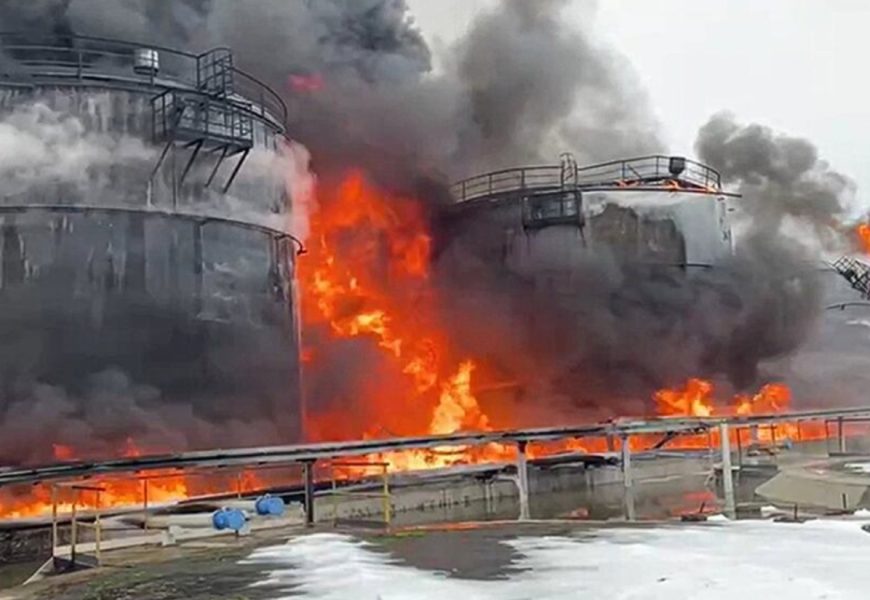
On Thursday, a supertanker carrying about 2.5 million barrels of oil caught fire after reportedly being hit off Oman while travelling along what Iranian authorities described as an unauthorised route, according to Iranian news agency Fars.
Iranian state media has reported an even broader series of incidents, saying seven tankers were targeted over a five-day period.
The Persian Gulf Strait Authority, as cited by Iranian state media, identified AL RUWAIS, SINBAD and MERSIN PROSPERITY among vessels it said had repeatedly failed to comply with Iranian requirements. Tehran has claimed the vessels are owned or chartered by the United Arab Emirates.
Iran's state broadcaster IRIB News also reported that an oil tanker exploded in the Strait of Hormuz. Sources cited by IRIB said the vessel had switched off its tracking system as it entered the strait and was considered to be in violation of Iranian requirements.
The reports have not independently established who carried out the attacks or confirmed the circumstances surrounding every incident.
Iranian Revolutionary Guard Corps spokesman Brigadier General Hossein Mohebbi said last Tuesday that vessels attempting to pass through the Strait without Iranian permission could be targeted or potentially strike mines.
The latest incidents come amid heightened military tensions in the region and growing concern over commercial shipping through the narrow waterway.
Residents of Qeshm Island, located within the Strait of Hormuz, reported hearing explosions offshore. Unofficial Iranian news agencies also reported that Iranian air defences may have intercepted an American drone in southern Iran, although those reports were not independently confirmed.
Iranian military officials have increasingly emphasised their ability to monitor and control activity around the Strait.
An Iranian army spokesman said the country's armed forces maintain military control of the area and monitor it continuously. An adviser to the commander-in-chief of the IRGC Aerospace Force also said Iran retained military capabilities that had not been used during the recent conflict and remained prepared for any further escalation involving the United States or Israel.
The Strait of Hormuz is a critical global energy corridor, linking the Persian Gulf with the Gulf of Oman and the wider Arabian Sea. Any sustained disruption to tanker traffic through the waterway could have significant implications for international oil supplies and shipping.
For now, the conflicting reports surrounding the latest incidents have left uncertainty over the precise circumstances of the attacks, while commercial vessels continue to face heightened risks in and around the strait.
More Top Stories