°C
 2
Min
Nvidia chief executive Jensen Huang has rejected calls for additional laws governing artificial intelligence, arguing that technology companies should instead take responsibility for ensuring their systems are safe before releasing them. Huang said AI developers should avoid putting products into the public domain unless they were confident the technology could be used safely.
Nvidia boss calls for AI industry self-regulation
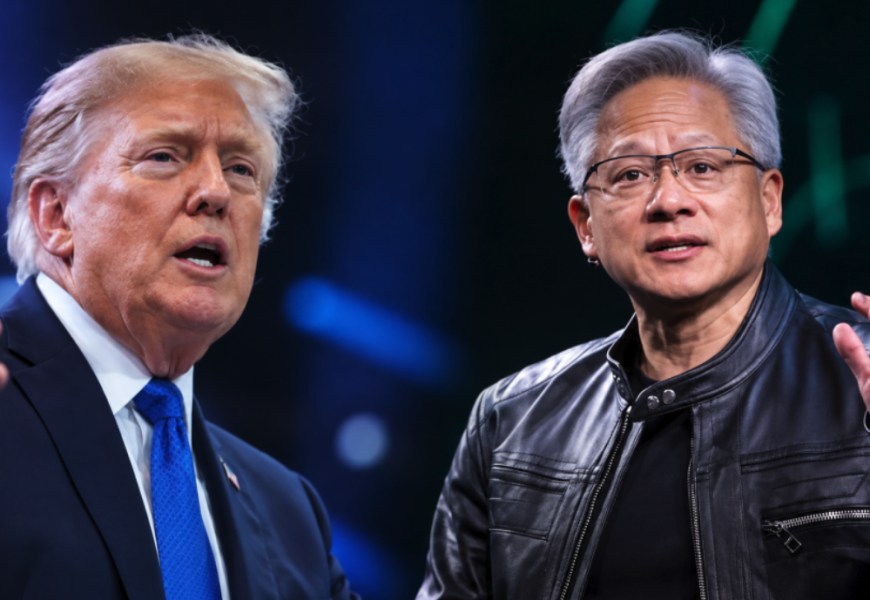
Nvidia chief executive Jensen Huang has rejected calls for additional laws governing artificial intelligence, arguing that technology companies should instead take responsibility for ensuring their systems are safe before releasing them.
Huang said AI developers should avoid putting products into the public domain unless they were confident the technology could be used safely.
His comments came as technology executives, politicians and other prominent figures debated how governments and the industry should respond to the rapid development of artificial intelligence.
Several AI industry leaders have called for greater cooperation between competing companies to establish common safety standards.
The head of Anthropic said it could be tempting for companies to focus on attacking competitors, but argued that developing industry-wide standards would be a more responsible approach.
The debate has extended beyond the technology industry, with US Senator Bernie Sanders calling for the United States to work with China on international rules governing AI.
Sanders has proposed a treaty that would establish a pause on the development of what he described as "AI superintelligence", reflecting growing concerns about the potential risks posed by increasingly advanced systems.
His comments were made at a summit in Washington, where former Trump adviser Steve Bannon described artificial intelligence as the "defining issue of our time".
The discussion comes amid warnings from within the AI industry that the technology is advancing rapidly.
An Anthropic executive recently said AI was becoming more powerful "by the day" and argued that a mandatory mechanism to shut down advanced AI systems should be considered.
The competing views highlight a growing divide over how AI should be governed, with some technology leaders favouring voluntary safety measures and industry standards, while others argue that governments must establish legally binding safeguards.
As AI systems become increasingly capable and widely used, governments and technology companies face mounting pressure to determine how innovation can continue while limiting potential risks to the public.
More Top Stories